
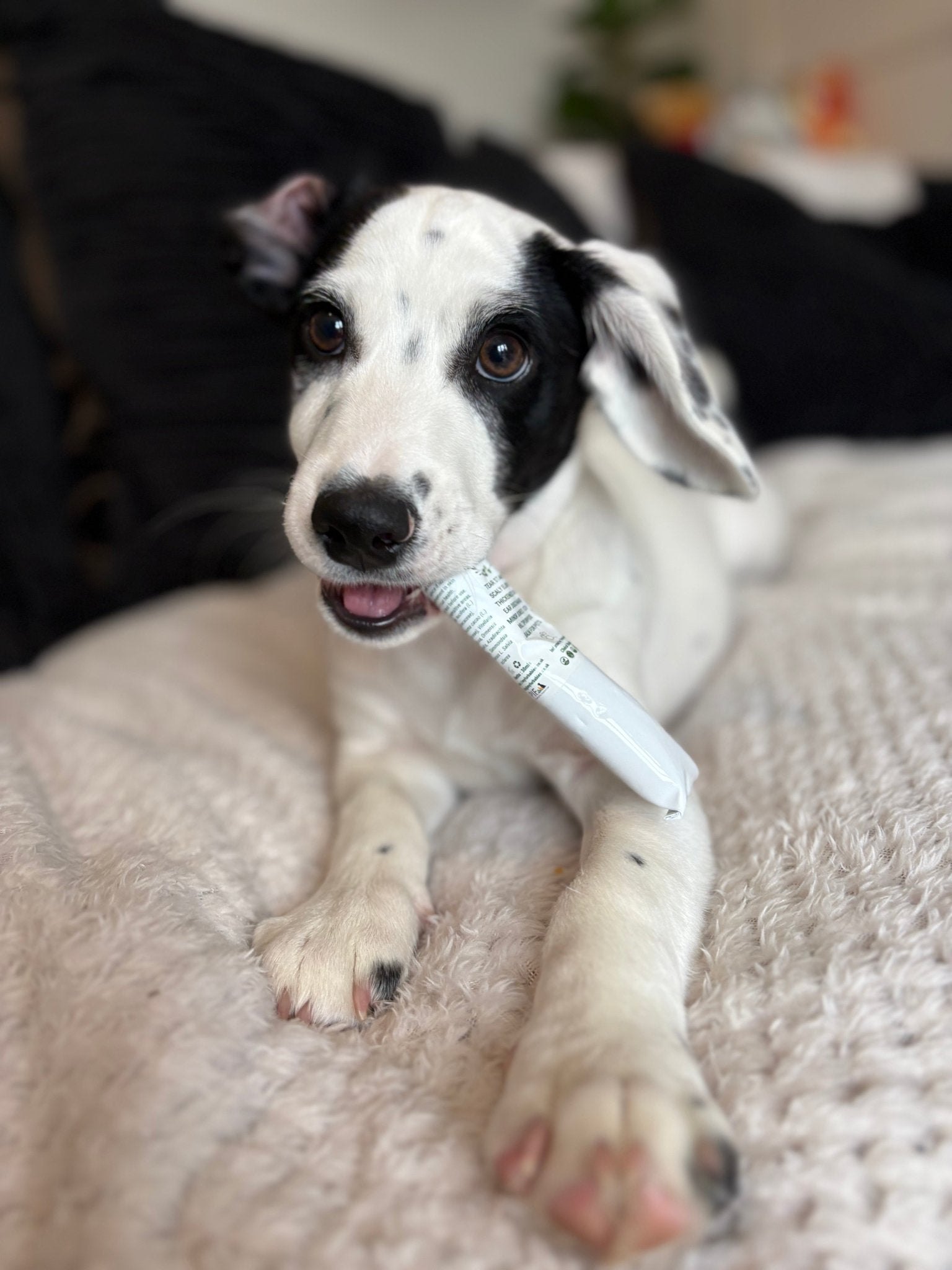
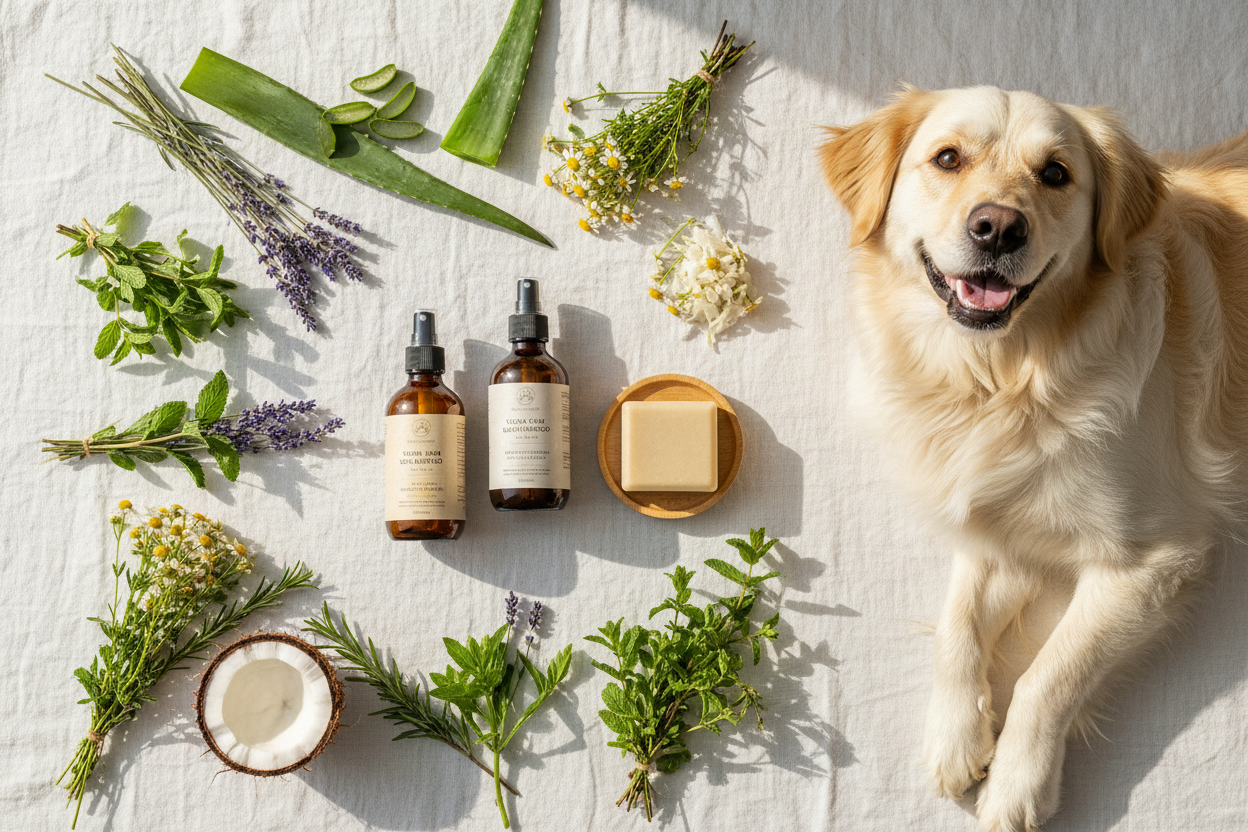
What ingredients are in FurBabies™ Botanicals pet skincare products? Every ingredient in the FurBabies™ Botanicals range is plant-derived, vegan, and chosen for a specific, evidence-based reason to support the skin barrier, reduce inflammation, or provide antimicrobial protection. This page explains what each key ingredient does and why it was included, with links to the peer-reviewed research behind each choice.
Unlike most pet grooming brands, we don't use fragrances, formaldehyde, SLS, SLES, or parabens. Everything in our products is plant-derived, vegan, and selected because it genuinely benefits canine and feline skin.
The ingredients below appear across our Rinse-Off Shampoo, No-Rinse Shampoo, DermaRenew Lavender Serum, DermaProtect Rose Serum, Nose, Wrinkle & Paw Balm, Multipurpose Balm, and Aches & Pains Rub.
Botanical ingredients what they are and what they do
Simmondsia chinensis — Jojoba
Jojoba seed oil contains long-chain fatty acids structurally similar to the natural sebum produced by mammalian skin, making it exceptionally compatible with canine skin. It absorbs readily without leaving a greasy residue and helps restore the lipid barrier in dogs with eczema or dermatitis. It has a demonstrated anti-inflammatory effect with applications in wound healing, skin ageing, and infection management. Found in: DermaRenew Serum, Nose & Paw Balm, Multipurpose Balm.
Persea gratissima — Avocado Oil
Avocado oil is an excellent source of linoleic acid — an essential fatty acid the body cannot synthesise, meaning it must be supplied topically or through diet. Applied to the coat, it provides moisture without weighing the fur down and fortifies the skin barrier. Rich in vitamins A, B, C, D and E, and minerals including magnesium and potassium, research has shown it increases collagen synthesis, accelerating tissue repair on dog skin. Found in: DermaRenew Serum, Nose & Paw Balm.
Vitellaria paradoxa — Shea Butter
Shea butter is extracted from the nut of the African shea tree and is composed of bioactive triterpenes, tocopherols, and phenols responsible for its medicinal properties. It is a powerful emollient with demonstrated anti-inflammatory properties. In our formulations it provides the occlusive layer that locks moisture into skin after lighter carrier oils have absorbed — particularly effective in the balms for dry, cracked paw pads and skin folds. Found in: DermaRenew Serum, Nose & Paw Balm, Multipurpose Balm.
Lavandula angustifolia — Lavender
Lavender essential oil has been traditionally considered one of the safest botanical oils for topical use on pets. It has been shown to reduce anxiety and improve mood — beneficial for dogs who find grooming stressful. It is also a well-documented antimicrobial, anti-inflammatory, analgesic and antioxidant, making it valuable for addressing secondary bacterial and yeast infections on irritated dog skin. Found in: DermaRenew Serum, Rinse-Off Shampoo.
Virgin Cocos nucifera — Coconut Oil & MCT Oil
Virgin coconut oil has a well-established evidence base for topical use in animals, with demonstrated antibacterial, antifungal, antioxidant and antiviral properties. It prevents coat damage, blocks approximately 20% of UV rays, and is rich in calcium, iron, zinc, choline and vitamin E. MCT (fractionated) coconut oil shares these benefits but with the long-chain fatty acids removed, allowing faster, non-greasy absorption deeper into skin layers — better suited to the serums and shampoo base. Found in: all products.
Daucus carota — Carrot Seed Oil
Carrot seed oil stimulates tissue regeneration and has been shown to repair skin damage and promote a youthful skin complexion. Used at carefully controlled concentrations appropriate for canine use, it works particularly well on dry, sensitive skin. Found in: DermaRenew Serum.
Calendula officinalis in Vitis vinifera — Calendula in Grapeseed
Calendula is one of the most widely studied topical anti-inflammatories in veterinary dermatology. Used as a calendula extract infused in grapeseed oil, it soothes irritated skin, accelerates healing of minor cuts and abrasions, and has demonstrated effectiveness against eczema, rashes, insect bites, and sarcoptic mange. Grapeseed oil is a lightweight carrier rich in linoleic acid that helps restore the skin's lipid barrier. Found in: DermaProtect Rose Serum.
Pelargonium rosae — Rose Geranium
Rose geranium essential oil is the key botanical in the DermaProtect Rose Serum, formulated specifically for cats and sensitive dogs. It has well-documented antimicrobial and anti-inflammatory properties, is used in the management of fungal skin infections, and has a soothing effect on irritated skin. Importantly, it is one of the few essential oils considered appropriate for use on cats at correctly diluted concentrations. Found in: DermaProtect Rose Serum, No-Rinse Shampoo.
Salvia sclarea — Clary Sage
Clary sage has antimicrobial and anti-inflammatory properties and is used in cosmetic and veterinary formulations to support skin barrier function and reduce irritation. It also has a mild oestrogenic effect via its linalyl acetate content, which supports skin regeneration in older animals. Found in: DermaProtect Rose Serum, Multipurpose Balm, Aches & Pains Rub.
Ormensis multicaulis — Chamomile
Chamomile has been identified as a promising alternative to topical antibiotics in wound healing and as an alternative to topical steroid creams for the relief of pruritus in dogs. A large body of in vivo clinical evidence supports its effectiveness across skin conditions including eczema, hotspots, and yeast-related dermatitis. Found in: Multipurpose Tear Stain, Paw Licking & Yeasty Pockets Balm.
Azadirachta indica — Neem
Neem oil is derived from the seeds of the neem tree and is widely used in veterinary applications for its potent antiparasitic, antifungal, antibacterial, and anti-inflammatory properties. It is particularly effective against yeast overgrowth (Malassezia) and surface mite infestations, making it a key ingredient in products targeting yeasty pockets, paw licking, and tear staining. Found in: DermaProtect Rose Serum, Multipurpose Balm.
Theobroma cacao — Cocoa Butter
Important: cocoa butter is not the same as cocoa or chocolate. Theobromine — the compound toxic to dogs — is not present in cocoa butter, which is a pure fat extract. Cocoa butter is an intensive moisturiser that creates an occlusive barrier on the skin surface, preventing transepidermal water loss and maintaining skin elasticity. Particularly useful for dry, cracked paw pads and skin folds. Found in: Nose, Wrinkle & Paw Balm, Multipurpose Balm.
Panthenol (Provitamin B5)
Panthenol is a widely used humectant and skin conditioner with excellent safety data across species. It penetrates the hair shaft, improving elasticity and adding softness to the coat, while simultaneously drawing moisture into the skin. In our shampoos, it provides the conditioning benefit without the need for silicone-based conditioners. Found in: Rinse-Off Shampoo, No-Rinse Shampoo.
Cocoglucoside — Gentle Surfactant
Cocoglucoside is a 100% plant-derived, biodegradable surfactant made from coconut oil and fruit sugars. It is one of the mildest cleansing agents available and is specifically chosen to replace SLS/SLES in our shampoo formulations. Unlike harsh detergent surfactants, cocoglucoside cleans without stripping the skin's natural oils or disrupting the skin's pH balance. Found in: Rinse-Off Shampoo, No-Rinse Shampoo.
SCI (Sodium Cocoyl Isethionate)
SCI is a mild, coconut-derived surfactant used in the rinse-off shampoo to enhance lather and cleansing performance. Despite producing a richer foam than the no-rinse formula, SCI is significantly gentler than SLS — it has a lower irritation profile and does not disrupt the skin barrier in the way harsh sulphate-based surfactants do. Found in: Rinse-Off Shampoo only.
Glycerine & Pentylene Glycol
Glycerine is a powerful, well-tolerated humectant that draws moisture from the environment into the skin. Pentylene glycol is a plant-derived multifunctional ingredient that acts simultaneously as a moisturiser, preservative booster, and antimicrobial — allowing us to keep our formulations free from parabens while maintaining product safety and shelf life. Found in: both shampoos.
Aches & Pains Rub with specialist actives
Boswellia carterii — Frankincense
Boswellic acids from Boswellia carterii are well-documented anti-inflammatories with a particularly strong evidence base in the management of osteoarthritis and musculoskeletal pain in dogs. They inhibit 5-lipoxygenase, reducing the production of leukotrienes that drive joint inflammation. Found in: Aches & Pains Rub.
Cedrus atlantica — Atlas Cedarwood
Cedarwood oil has analgesic and anti-inflammatory properties and is used in topical pain formulations to improve circulation to the applied area and reduce localised discomfort. Found in: Aches & Pains Rub.
Zingiber officinale — Ginger
Ginger root extract has strong anti-inflammatory properties mediated through inhibition of COX-2 enzymes, making it a natural complement to Boswellia in the management of aches and joint discomfort. It also improves local circulation when applied topically. Found in: Aches & Pains Rub.
Arnica montana
Arnica is one of the most widely used topical anti-inflammatories in both human and veterinary practice. It reduces bruising, muscle soreness, and localised swelling through its sesquiterpene lactone content (primarily helenalin), which inhibits the NF-κB inflammatory pathway. Found in: Aches & Pains Rub.
Mentha piperitae aetheroleum — Peppermint
Peppermint oil provides a cooling, analgesic effect through activation of TRPM8 cold receptors in the skin, creating immediate topical relief from discomfort. Used at appropriate concentrations for canine use — peppermint requires careful dilution and is not appropriate for cats. Found in: Aches & Pains Rub, Dentashield Spray.
Dentashield Teeth & Gums Spray with specialist actives
Kyselina gallova — Gallic Acid
Gallic acid is a natural polyphenol with potent antibacterial properties against the oral pathogens responsible for periodontal disease in dogs, including Porphyromonas gulae and Tannerella forsythia. It also has antioxidant and anti-inflammatory effects on gum tissue. Found in: Dentashield Spray.
Commiphora abyssinica — Myrrh
Myrrh resin has been used for millennia in oral hygiene formulations for its antimicrobial and anti-inflammatory effects on gum tissue. Modern research supports its efficacy against oral biofilm formation and as a treatment for gingivitis. Found in: Dentashield Spray.
Full product ingredient reference
| Product | SKU | Size | Ingredients |
|---|---|---|---|
| DermaRenew Lavender Serum | FBBLAV | 50ml | Vitellaria paradoxa, Simmondsia chinensis, Persea gratissima, Lavandula angustifolia, Cocos nucifera, Daucus carota |
| DermaProtect Rose Serum | FBBROS | 50ml | Calendula officinalis in Vitis vinifera, Pelargonium rosae, Cocos nucifera, Azadirachta indica, Salvia sclarea |
| Nose, Wrinkle & Paw Balm | FBBSNO | 7g | Cocos nucifera, Persea gratissima, Theobroma cacao, Vitellaria paradoxa, Simmondsia chinensis |
| Multipurpose Balm | FBBMFB | 30g | Cocos nucifera, Theobroma cacao, Vitellaria paradoxa, Ormensis multicaulis, Azadirachta indica, Simmondsia chinensis, Salvia sclarea |
| Rinse-Off Shampoo | FBBBSHA | 60ml | Panthenol, Cocos nucifera, Cocoglucoside, SCI, Lavandula angustifolia, Pentylene glycol, Glycerine |
| No-Rinse Shampoo | FBBNRS | 60ml | Panthenol, Cocos nucifera, Cocoglucoside, Pelargonium rosae, Pentylene glycol, Glycerine |
| Aches & Pains Rub | FBBMAS | 50ml | Boswellia carterii, Cedrus atlantica, Zingiber officinale, Arnica montana, Cocos nucifera, Mentha piperitae aetheroleum, Salvia sclarea |
| Dentashield Spray | FBBDENT | 30ml | Kyselina gallova, Aqua purified, Mentha piperitae aetheroleum, Glycerine, Commiphora abyssinica |
Frequently asked questions about our ingredients
Is lavender safe for dogs? Yes, at correctly diluted concentrations, lavender (Lavandula angustifolia) is considered one of the safest essential oils for topical use on dogs. It has documented antimicrobial, anti-inflammatory, and calming properties. We do not use lavender in products formulated for cats due to their different metabolic tolerance for essential oils.
Is coconut oil safe for dogs? Yes. Virgin coconut oil has a strong evidence base for topical use in dogs, with demonstrated antibacterial, antifungal, and antiviral properties. It is used across every product in the FurBabies™ Botanicals range.
Is cocoa butter toxic to dogs? No. Cocoa butter is a pure fat extract from the cacao bean and does not contain theobromine — the compound in chocolate that is toxic to dogs. Cocoa butter is safe for topical use on dogs and is widely used in veterinary-grade skin and paw care products.
Are FurBabies™ Botanicals products safe for cats? Most products are suitable for cats. The DermaProtect Rose Serum and No-Rinse Shampoo are specifically formulated with cat-safe botanicals (rose geranium rather than lavender). Always check the individual product page for species guidance.
Are the products vegan? Yes every ingredient across the FurBabies™ Botanicals range is plant-derived and vegan.
What we deliberately leave out
Every FurBabies™ Botanicals product is free from:
- SLS and SLES — harsh sulphate surfactants that strip natural skin oils. Read more: Why avoid shampoos with SLS and SLES?
- Parabens — synthetic preservatives linked to skin sensitisation. Read more: Parabens in pet shampoos
- Synthetic fragrance — a common trigger for contact dermatitis in dogs and cats
- Mineral oil — a petroleum derivative that sits on top of the skin rather than absorbing
Have a question about a specific ingredient or its suitability for your pet's condition? Get in touch we're always happy to go into more detail.
Share:
Is No-Rinse or Dry Shampoo Safe For Pets?
Best Natural Vegan Dog Shampoo UK 2026: What the Science Actually Says