
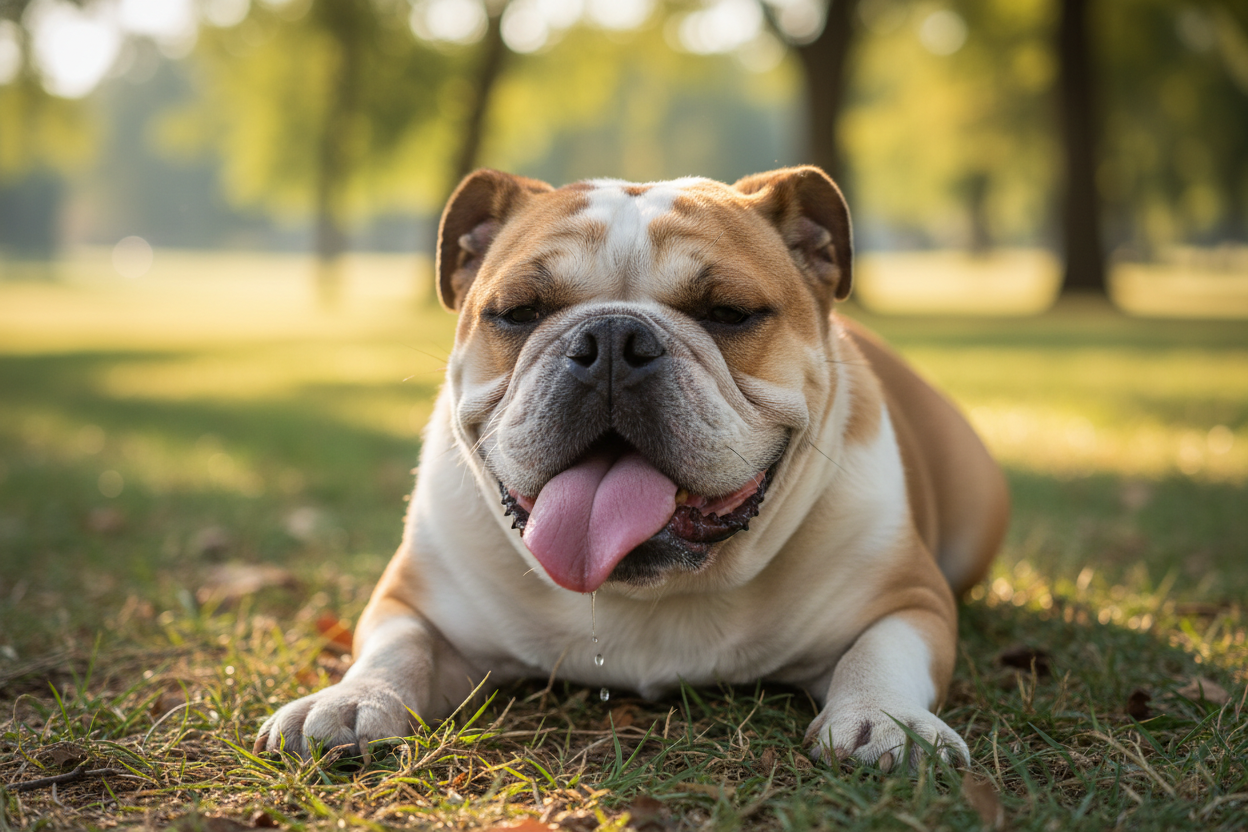
Excessive panting in dogs is caused by heat, pain, Cushing's disease, heart disease, anxiety, respiratory disorders, anaemia, nausea, obesity, fever, poisoning, metabolic imbalance, medication side effects, and breed physiology. In most cases, panting at rest in a cool room or panting at night is a sign of an underlying medical condition that warrants veterinary assessment.
Dogs pant to cool themselves down, but excessive or unexplained panting has over 15 clinically recognised causes beyond heat, including undetected pain, Cushing's disease, heart failure, anxiety, and medication side effects. This guide was written by a UK-registered pharmacist and pet product formulator to help you identify the cause, recognise the red flags that require immediate veterinary attention, and understand what you can safely do at home.
In the UK in summer 2026, with temperatures reaching record highs across England, this question has never been more urgent. This guide covers every clinically recognised cause of excessive panting in dogs, how to tell the difference between normal and abnormal, which signs mean call-your-vet-now, and what you can do at home while you wait.
How Dogs Actually Pant: The Biology Most People Do Not Know
Dogs cannot sweat through their skin the way humans do. They have sweat glands only in their paw pads, a tiny surface area compared to their body size. So to cool themselves, they use evaporative cooling through the mouth and upper respiratory tract: hot air out, cooler air in, water evaporates from the tongue and mucous membranes, and blood temperature drops.
This is normal. This is healthy. A resting dog in a warm room breathing 30 to 40 breaths per minute is doing exactly what their biology is designed to do.
Abnormal panting looks different. It is loud, laboured, or sounds raspy. It is happening at rest in a cool room. It is accompanied by drooling, restlessness, or glazed eyes. It is new, sudden, or worse than normal for your individual dog. It does not stop after they have cooled down. The critical word is new. You know your dog. Trust that instinct.
The Wow Biology: Why Panting Is More Impressive Than You Think
Here is something most pet owners and even some vets do not say out loud: panting is one of the most physiologically complex responses in mammalian biology.
When a dog pants, they are simultaneously exchanging up to 300 to 400 breaths per minute in a rapid pant, compared to a normal resting rate of 15 to 30. They are operating a counter-current heat exchange system in the nasal passages that pre-cools incoming blood. They are directing blood flow away from internal organs toward the skin and tongue to maximise heat loss. They are also triggering a cortisol release, which raises internal temperature slightly as the body's own stress-panting feedback loop.
This is why pain, anxiety, and illness all cause panting, not just heat. They all activate the same cortisol-driven physiological cascade.
The 15 Causes of Excessive Panting in Dogs, Ranked by How Commonly Missed They Are
1. Heat and Heatstroke
Most UK dog owners know about heatstroke, but many underestimate how quickly it can happen. At ambient temperatures above 25 degrees Celsius, a flat-coated or overweight dog can reach dangerous internal temperatures within 20 minutes, not just in a car but in direct sun in the garden.
Signs of heatstroke beyond panting include drooling thick saliva, brick-red or pale gums, vomiting, stumbling, and collapse. This is a 999 vet call. Cool the dog with lukewarm water, not cold, especially on the paw pads and groin, and get to an emergency vet immediately.
If your dog is also itching in the heat, a very common summer combination, read our guide on Why Is My Dog Itching?
2. Pain: The Most Commonly Missed Cause
This is the one that catches owners out the most, and the one a pharmacist most wants you to know about.
Pain is consistently underrecognised in dogs. Dogs are stoic. They evolved to hide pain as a survival mechanism. By the time a dog is limping, whimpering, or refusing to eat, the pain has often been present for weeks or months.
Panting, especially at night, at rest, or after getting up from lying down, is frequently the first and only sign of osteoarthritis (the most common cause of chronic pain in dogs over 7), dental disease (gum disease is the number one dog illness in the UK, affecting over 80 percent of dogs over 3), muscle soreness after exercise, post-surgical pain, ear infections which are intensely painful, and bladder stones or urinary infection.
If your dog is panting at night but seems fine during the day, this is the differential to discuss with your vet first.
Learn more: Natural Pain Relief for Dogs | Dog Whining in Sleep: Pain FAQs Part 1
For topical support of aching muscles and joints, our Aches and Pains Relief Rub is formulated with natural botanicals specifically for dogs. Never use human products such as Deep Heat on your dog's skin, as these are not formulated for canine skin pH.
3. Arthritis and Joint Disease: The Slow Creep
Up to 80 percent of dogs over 8 have radiographic evidence of osteoarthritis, but the majority of owners do not know because their dog never complains openly.
The link between arthritis and panting is direct: inflamed joints cause systemic inflammation, which triggers cortisol, which causes panting. Add in the reduced synovial fluid lubrication that comes with dehydration in hot summer weather and you have a dog whose joints are silently on fire.
Watch for panting after walks, panting when trying to settle at night, struggling to jump up, and being slow to rise from lying down.
Read: Why Do My Dog's Joints Click? | Is Dog Jumping On and Off the Bed Bad for Joints?
4. Cushing's Disease (Hyperadrenocorticism): The Great Imitator
Cushing's disease occurs when the adrenal glands produce too much cortisol, usually because of a small benign pituitary tumour, which accounts for 85 percent of cases. Excess cortisol raises the body's internal thermostat, leading to relentless panting even in a cool room.
The classic Cushing's cluster includes panting as an early sign, alongside dramatically increased thirst and urination, increased appetite, a pot-bellied appearance, symmetrical hair loss on the trunk, thin and fragile skin, and recurring skin or urinary infections.
If your dog has 3 or more of these signs, ask your vet for a urine cortisol to creatinine ratio test, which is non-invasive and a strong first screen.
Pharmacist note: Cushing's disease is managed with trilostane (Vetoryl) and requires careful long-term monitoring. Do not supplement any dog with suspected Cushing's disease with products containing adaptogens or liquorice root, as these can interfere with cortisol pathways.
5. Heart Disease and Congestive Heart Failure
When the heart cannot pump effectively, fluid backs up into the lungs and the dog pants because they genuinely cannot obtain enough oxygen. Cardiac panting often comes with a soft persistent cough, reduced exercise tolerance, and a reluctance to lie flat. Affected dogs may prefer to sleep sitting upright or with their head elevated. Breeds at elevated risk include Cavalier King Charles Spaniels, Dobermanns, Boxers, and Dachshunds.
6. Anxiety, Fear, and Stress
A stressed dog activates the same cortisol-panting pathway as a dog in physical pain. Common UK triggers include thunderstorms, fireworks, separation anxiety, and Canine Cognitive Dysfunction, which is the equivalent of dementia in dogs and causes nighttime confusion and panting in senior animals.
Signs that point toward anxiety rather than pain include yawning, lip licking, a tucked tail, pacing, actively seeking physical contact, and visibly dilated pupils.
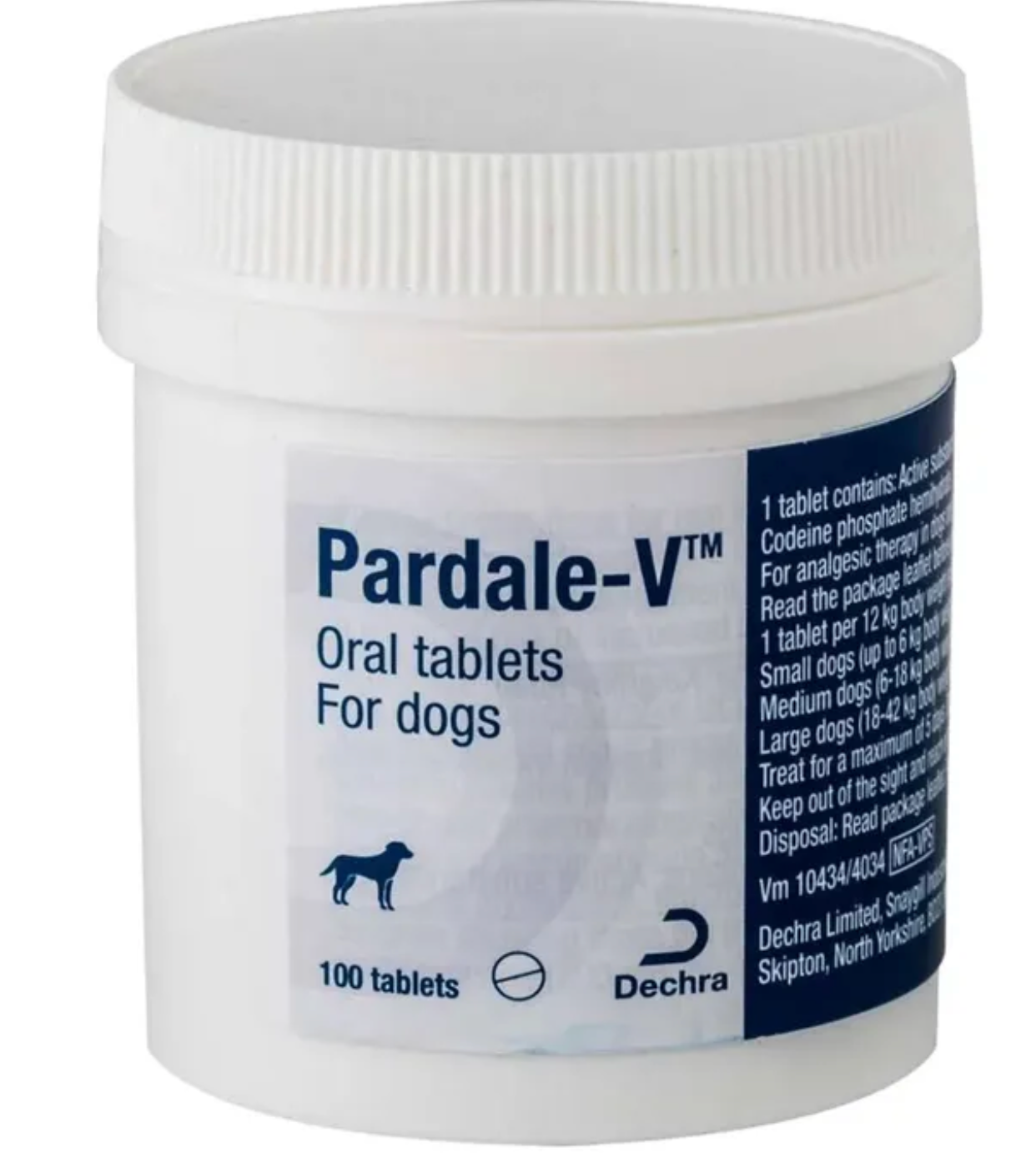
7. Medications: A Pharmacist's Specific Alert
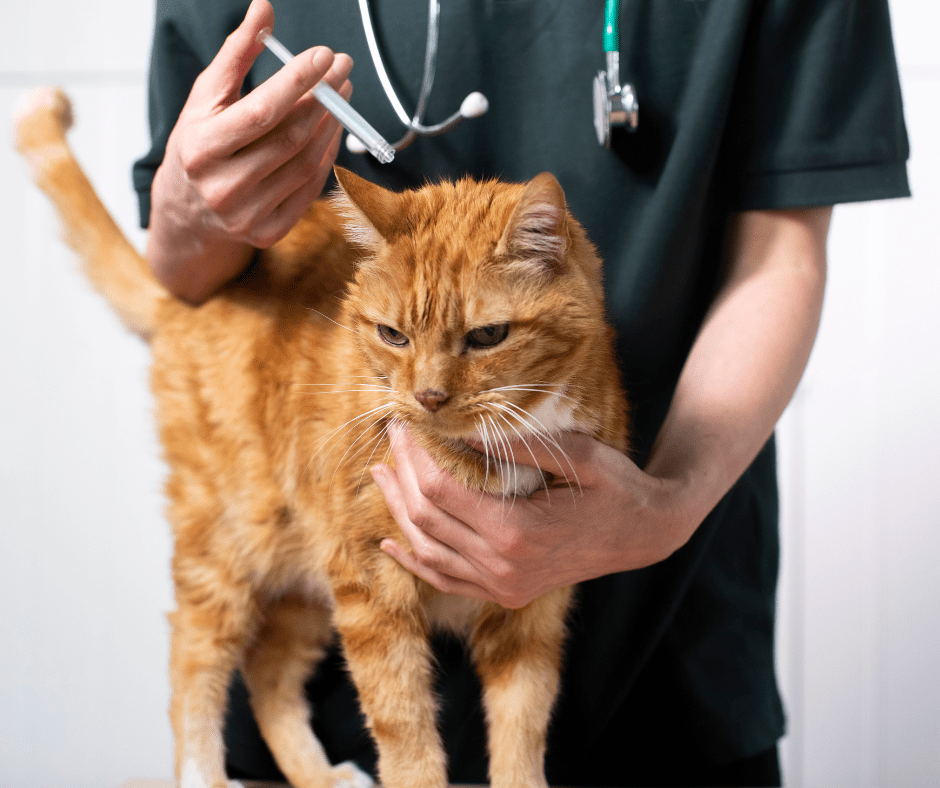
Several commonly prescribed drugs cause panting as a direct side effect. This is something owners are frequently not warned about at the time of dispensing.
If panting started shortly after a new medication was introduced, inform your vet before stopping the medication yourself. Stopping corticosteroids abruptly without veterinary guidance is dangerous.
8. Respiratory Disorders
Laryngeal paralysis involves progressive weakness of the laryngeal cartilages and causes a characteristic roaring sound on breathing. It is common in older large-breed dogs. Brachycephalic Obstructive Airway Syndrome affects flat-faced breeds including Bulldogs, Pugs, and French Bulldogs, where the anatomy itself physically restricts normal airflow. Tracheal collapse is particularly common in small breeds including Yorkshire Terriers, Chihuahuas, and Pomeranians. Pneumonia and lung tumours are additional respiratory differentials.
9. Anaemia
When red blood cell levels drop, less oxygen reaches the body's tissues and the body compensates by breathing faster, which presents as panting. Causes in dogs include heavy flea infestations, which can cause anaemia in small dogs and puppies, rodenticide poisoning, immune-mediated haemolytic anaemia, and chronic disease. Pale or white gums are the critical sign. Check your dog's gum colour regularly so you know their normal baseline.
10. Nausea
Nausea, whether from car sickness, dietary indiscretion, kidney disease, or liver disease, activates the autonomic nervous system and triggers panting as part of the pre-vomiting physiological response. If panting is accompanied by repeated lip licking, excessive drooling, and frequent swallowing, nausea is a likely contributor.
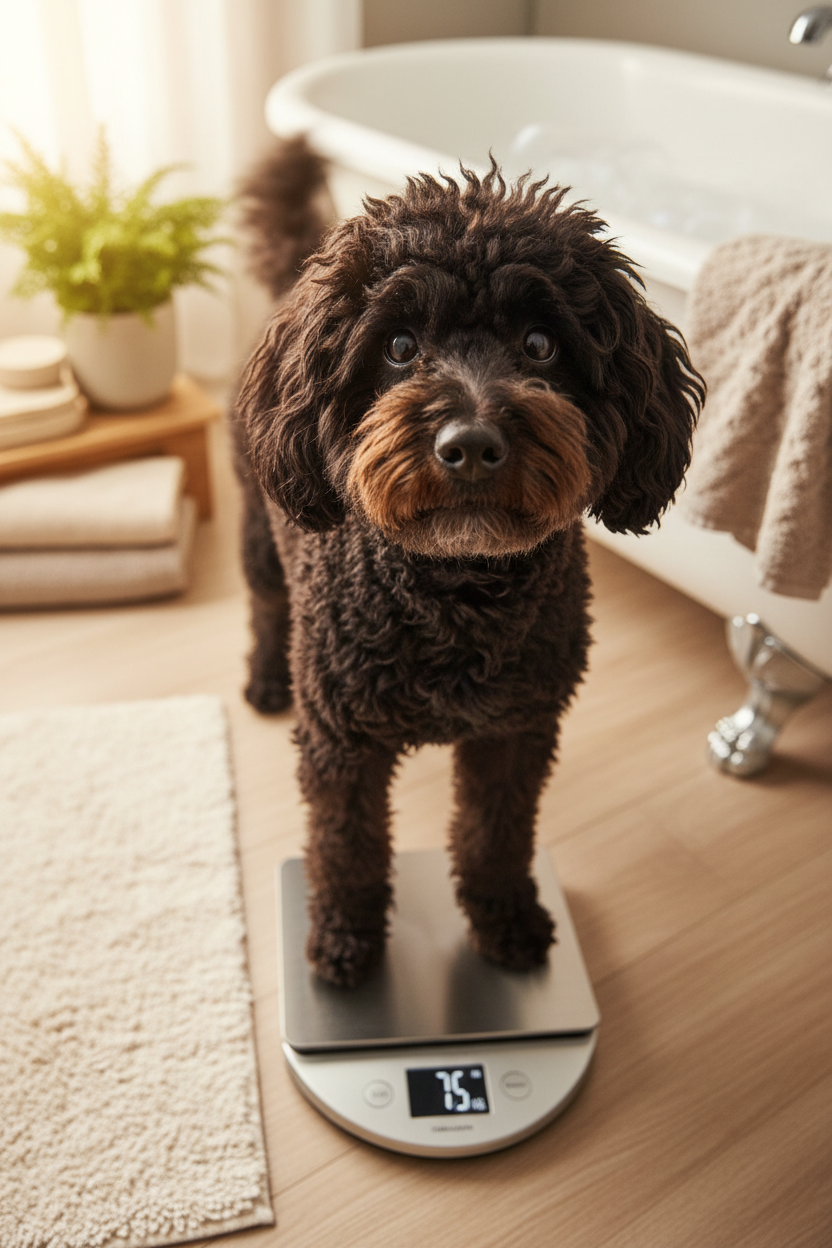
11. Obesity
Excess body weight forces the heart and lungs to work harder with every breath. An overweight dog pants more while doing less and is at significantly increased risk of heatstroke, joint disease, and heart disease. Read: Is My Dog Too Fat?
12. Fever and Infection
Bacterial infections, viral illness, and abscesses raise core body temperature. The dog pants in an attempt to reduce it using the same evaporative cooling mechanism as heat panting but driven internally. Fever is often accompanied by lethargy, loss of appetite, and warmth around the ears and paw pads.
13. Poisoning and Toxin Exposure
Panting is one of the earliest signs of poisoning in dogs. Common UK toxins that cause acute panting include xylitol found in sugar-free products (read Is Xylitol Toxic to Dogs?), chocolate particularly in dark form, grapes and raisins, slug pellets containing metaldehyde which are an extremely common garden hazard in the UK, and accidentally ingested human medications including ibuprofen and paracetamol (read Human Paracetamol for Dogs: Is It Safe?).
Animal Poison Line: 01202 509000 (a charge applies) or contact your vet immediately if you suspect poisoning.
14. Metabolic Acidosis and Electrolyte Imbalances
When blood chemistry is disrupted by conditions such as kidney disease, diabetes, Addison's disease, or severe diarrhoea, the blood becomes more acidic. The body responds with rapid breathing and panting in a compensatory attempt to expel carbon dioxide and restore pH balance. This is a serious and frequently urgent finding requiring prompt veterinary assessment.
15. Breed Physiology
Some dogs simply pant more than others as part of their normal physiology. Flat-faced breeds are structurally restricted in their ability to breathe normally. Working and sporting breeds have a higher baseline metabolic rate. Double-coated breeds including Siberian Huskies, Alaskan Malamutes, and Bernese Mountain Dogs retain significantly more body heat. Knowing your individual dog's normal baseline is the most important factor in recognising when something has changed.
Differential Diagnosis: What Panting Pattern Points to What Cause
Red Flag Signs: Call Your Vet Immediately
Do not wait if your dog's panting is accompanied by any of the following. Blue, white, or purple gums indicate oxygen deprivation and are a veterinary emergency. Glazed or unfocused eyes, collapse or inability to stand without assistance, and a distended hard abdomen which may indicate bloat (gastric dilatation volvulus) are all emergency signs. Also act immediately if there is sudden onset in a dog that has not panted this way before, panting alongside shaking or trembling particularly in small or older dogs, or panting that develops after time spent in a car, a hot room, or direct sun.
What You Can Do at Home Right Now
For heat-related panting: Move your dog to a cool and shaded area immediately. Offer fresh water at room temperature rather than ice-cold water. Apply lukewarm water, not cold or iced, to the paw pads, groin, and armpits. Use a fan in combination with the water as it is the evaporation that drives the cooling, not the temperature alone. Do not apply ice packs directly to the skin.
For suspected pain-related panting: Restrict your dog's movement and note when the panting is at its worst, whether at night, after walks, or when trying to rise from rest. Do not administer human painkillers. Ibuprofen and paracetamol are both toxic to dogs even at low doses. For topical botanical support of musculoskeletal discomfort while you arrange a vet appointment, our Aches and Pains Relief Rub is formulated to be safe on canine skin with no synthetic fragrance, no parabens, and no SLS.
For anxiety-related panting: Remove the trigger where possible. Create a den environment, as dark, quiet, enclosed spaces reduce cortisol in anxious dogs. Speak calmly and avoid over-fussing, which can inadvertently reinforce anxious behaviour. For chronic anxiety, a veterinary consultation is recommended as options including behavioural therapy, pheromone diffusers, and prescription medication are all available.
Frequently Asked Questions
My dog is panting but does not seem unwell. Should I worry?
Not necessarily in the immediate term. If it is a warm day and your dog has been active, offer cool water and shade and monitor. If the panting is happening at rest in a cool room and is new behaviour for your dog, a vet check is warranted.
My dog pants every night. Is this normal?
Nighttime panting at rest is not normal and warrants investigation. The most common causes in UK dogs are osteoarthritis pain, particularly in dogs over seven, Cushing's disease, and canine cognitive dysfunction. When you book your vet appointment, note down exactly when the panting starts, how long it lasts, and whether anything appears to precede it.
Why does my dog pant after a walk even when it is not that hot?
A degree of post-exercise panting is entirely normal. If it takes longer than 10 to 15 minutes to settle, or your dog appears uncomfortable during or after walks, this may suggest cardiovascular fitness issues, obesity, or subclinical arthritis being aggravated by exertion. Shorter and more frequent walks are often better for these dogs.
Can anxiety really cause that much panting?
Yes. Anxiety triggers a cortisol release which directly raises core body temperature and activates the panting reflex through the same physiological pathway as heat and pain. A dog experiencing a severe anxiety episode can pant with the same intensity as a dog that has been running.
My dog is panting and itching a lot this summer. What is going on?
This combination is very common in summer. Heat worsens skin inflammation and encourages yeast overgrowth, while the chronic stress of itching drives secondary panting through cortisol release. Read our guide to common causes of dog itch alongside this article.
Is panting a sign of a dog dying?
Panting in the final stages of a dog's life is common and is usually associated with pain, respiratory compromise, or the body's systems beginning to wind down. Our Quality of Life guide can help you assess where your dog is and inform a conversation with your vet.
Can hot weather make existing joint pain worse and cause more panting?
Yes, and this is underappreciated. High humidity reduces the efficiency of evaporative cooling in dogs. Dehydration reduces synovial fluid in the joints. Barometric pressure drops that precede summer thunderstorms have been documented to worsen arthritic pain in dogs. Your arthritic dog may genuinely suffer more during a UK summer than in winter.
Should I give my dog Piriton for panting?
No. Antihistamines do not address any of the physiological causes of panting. Piriton is only appropriate for allergic reactions. Read our Piriton vs Apoquel vs Cytopoint comparison for context on when antihistamines are and are not appropriate.
Clinical References
- American Animal Hospital Association (2023). Selected Endocrinopathies of Dogs and Cats Guidelines: Canine Hypercortisolism. AAHA.
- MSD Veterinary Manual (2024). Cushing Syndrome (Hyperadrenocorticism) in Animals. Merck and Co.
- Royal Veterinary Center (2026). Cushing's Disease in Dogs: When the Body Makes Too Much Cortisol.
- PDSA UK (2024). Vet Q and A: Is My Dog Panting Too Much?
- Dogs Trust (2024). Why Your Dog Might Be Panting.
- Vets Now UK (2026). My Dog Won't Stop Panting: What Should I Do?
- Lap of Love Veterinary Hospice (2025). Five Reasons Why Your Senior Dog Is Panting.
Related Reading from the Pet Knowledge Hub
Written by a UK-registered pharmacist. All content is provided for educational purposes and does not constitute veterinary advice. Always consult a registered veterinary surgeon for diagnosis and treatment of your pet. FurBabies Botanicals | myfurbabies.co.uk
Share:
What flea treatment do vets use?
The UK Temperature Guide: Is It Safe to Walk Your Dog Today?