
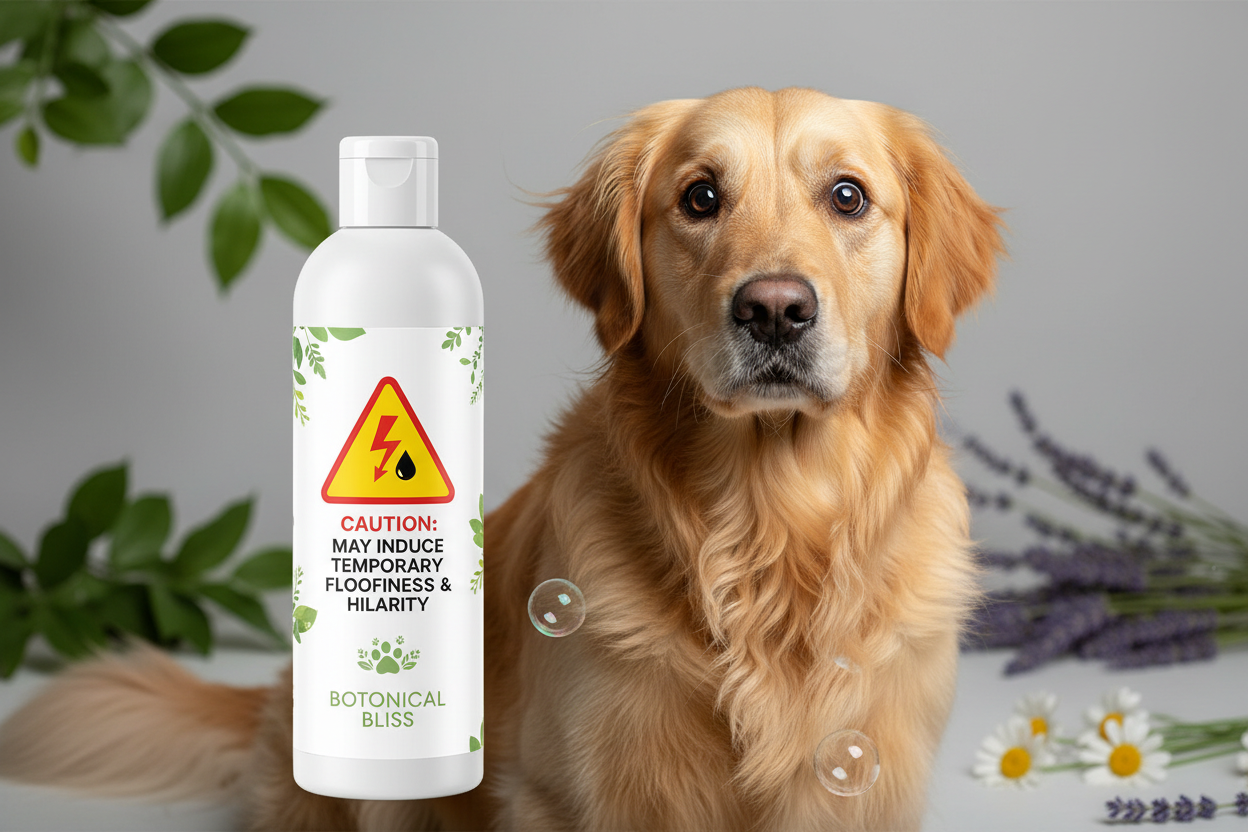
Is no-rinse shampoo safe for dogs, cats, and small pets? Yes but only when formulated with gentle, pet-safe ingredients and used correctly, no-rinse shampoo is a safe and practical way to keep your pet clean between full baths. Waterless, dry, and no-rinse shampoos are all terms for the same type of product: a rinse-free formula that cleans and conditions the coat without water. They are especially useful for anxious pets, elderly animals, post-surgery recovery, and small animals like rabbits and guinea pigs who should rarely be fully bathed.
This guide explains how no-rinse shampoos work, how to use them correctly (including why wiping off matters), what to watch out for in the ingredients, and which pets benefit most.
No-rinse, waterless, and dry shampoo: is there a difference?
These three terms are used interchangeably in the pet grooming market and refer to the same product category: shampoos that clean the coat without requiring water or rinsing. The terminology varies by brand and region:
- No-rinse shampoo — the most accurate term; the product is applied and then wiped off rather than rinsed
- Waterless shampoo — emphasises that no water is needed at any point
- Dry shampoo — occasionally used, though in pet grooming this more often refers to powder-based products rather than liquid formulas
All liquid no-rinse/waterless shampoos work on the same principle: gentle surfactants lift dirt and oils from the coat, and the loosened debris is then removed by wiping with a damp towel. The key difference from a regular shampoo is that the product does not get rinsed away with water — which is why the ingredient quality matters even more than it does for a rinse-off product.
How does no-rinse shampoo work?
No-rinse shampoos use very mild surfactants — ideally plant-derived, such as coco glucoside or decyl glucoside — to emulsify oils and lift surface dirt from the coat and skin. Once applied and worked through the coat, the product and the dirt it has loosened are removed together by wiping firmly with a clean, damp towel or microfibre cloth.
This is an important step that is often missed: the wipe-off is not optional. It is how the product actually cleans. Applying a no-rinse shampoo and simply leaving it to air dry without wiping means the dirt lifted by the surfactants stays on the coat, and any surfactant residue remains on the skin — which over time can cause irritation and buildup. The full how-to is in the application section below.
The FurBabies™ Botanicals No-Rinse Shampoo Conditioner is formulated without SLS, SLES, or parabens, using plant-derived surfactants alongside conditioning botanicals. The botanical ingredient list was chosen specifically because residue from this product will inevitably remain in contact with your pet's skin for hours — so every ingredient must meet a higher safety standard than a product that rinses away in seconds.
When is no-rinse shampoo the right choice?
Anxious or water-averse pets
For dogs or cats who find bath time extremely stressful — shaking, hiding, or showing signs of fear before the tap is even turned on — a no-rinse option removes the primary source of distress entirely. No running water, no bath tub, no wet surfaces. For some animals this makes the difference between a manageable grooming routine and a genuinely traumatic experience.
Post-surgery or illness recovery
Keeping a wound, drain site, or surgical incision dry is non-negotiable during recovery. No-rinse shampoo allows you to maintain coat hygiene elsewhere on the body without any risk of wetting the affected area making it the safest option during the weeks immediately following an operation.
Elderly or arthritic pets
Standing still for a full bath requires balance and muscle strength that older dogs often struggle with. Joint pain makes prolonged standing uncomfortable, and the stress of bath time can elevate cortisol in ways that affect recovery from illness. No-rinse spot cleaning removes the need to stand in a bath at all.
Between full washes
For active dogs particularly those who walk daily through UK fields, parks, and countryside a no-rinse freshen-up between full washes maintains hygiene and coat condition without the risk of over-stripping the skin. Most healthy dogs need a full wash only every four to six weeks; no-rinse fills the gap.
Rabbits, guinea pigs, and hamsters
Small animals should be bathed as infrequently as possible. The stress of a full bath can be genuinely dangerous for rabbits and guinea pigs — triggering cardiac events in extreme cases. For routine cleaning, no-rinse is the correct default, not the alternative. The FurBabies™ No-Rinse Shampoo Conditioner is specifically formulated to be safe for small animals.
Cats
Most cats rarely need bathing at all — their self-grooming is efficient and frequent. When a freshen-up is genuinely needed (after rolling in something, or for a cat who cannot self-groom due to illness or obesity), no-rinse is far less traumatic than a full bath. The ingestion risk from self-grooming after application makes ingredient safety especially critical for cats — see the safety section below.
How to use no-rinse shampoo correctly
The wipe-off step is what makes the product work. Follow these steps for safe, effective results:
- Brush the coat first — remove any loose fur and tangles before applying
- Apply the product to the coat — work in sections, massaging gently into the fur and down to the skin
- Allow 1–2 minutes for the surfactants to work — this is when the dirt and oils are being lifted
- Wipe firmly with a clean, damp towel or microfibre cloth — this step removes both the loosened dirt and the surfactant residue from the coat. Use a fresh section of towel for each pass. A very wet towel works best for cats, who will lick their coat after application
- Repeat if needed on particularly dirty areas
- Allow to dry fully before the animal self-grooms — for cats especially, giving the coat five to ten minutes to dry before they begin licking reduces ingestion significantly
Do not skip the wipe-off. Leaving no-rinse shampoo on the coat without removing it defeats the purpose of the product — the dirt stays on the animal, and surfactant residue in prolonged skin contact can cause the same barrier disruption that SLS causes in regular shampoos, even when the formula is gentle.
Are no-rinse shampoos safe? What the ingredients tell you
The safety of a no-rinse shampoo depends almost entirely on its ingredients. Because the product stays in contact with your pet's skin for hours rather than being rinsed away in seconds, the ingredient standard needs to be higher than for a regular shampoo — not lower.
What to avoid
- SLS (Sodium Lauryl Sulphate) and SLES (Sodium Laureth Sulphate) — harsh detergent surfactants that strip natural oils and disrupt the skin barrier. In a no-rinse product, these sit on the skin all day, compounding the damage with every application. Our post on why SLS and SLES are worth avoiding covers the chemistry in full
- Parabens — preservatives linked to skin sensitisation, particularly in animals with already compromised skin barriers
- Synthetic fragrance — artificial perfumes are one of the most common causes of contact dermatitis in pets; particularly problematic in a product that stays on the coat
- Alcohol (isopropyl or ethanol) — drying and irritating in prolonged skin contact, and potentially toxic if ingested by cats during grooming
What to look for
- Plant-derived surfactants — coco glucoside, decyl glucoside, or caprylyl/capryl glucoside are gentle, biodegradable, and well-tolerated by sensitive skin
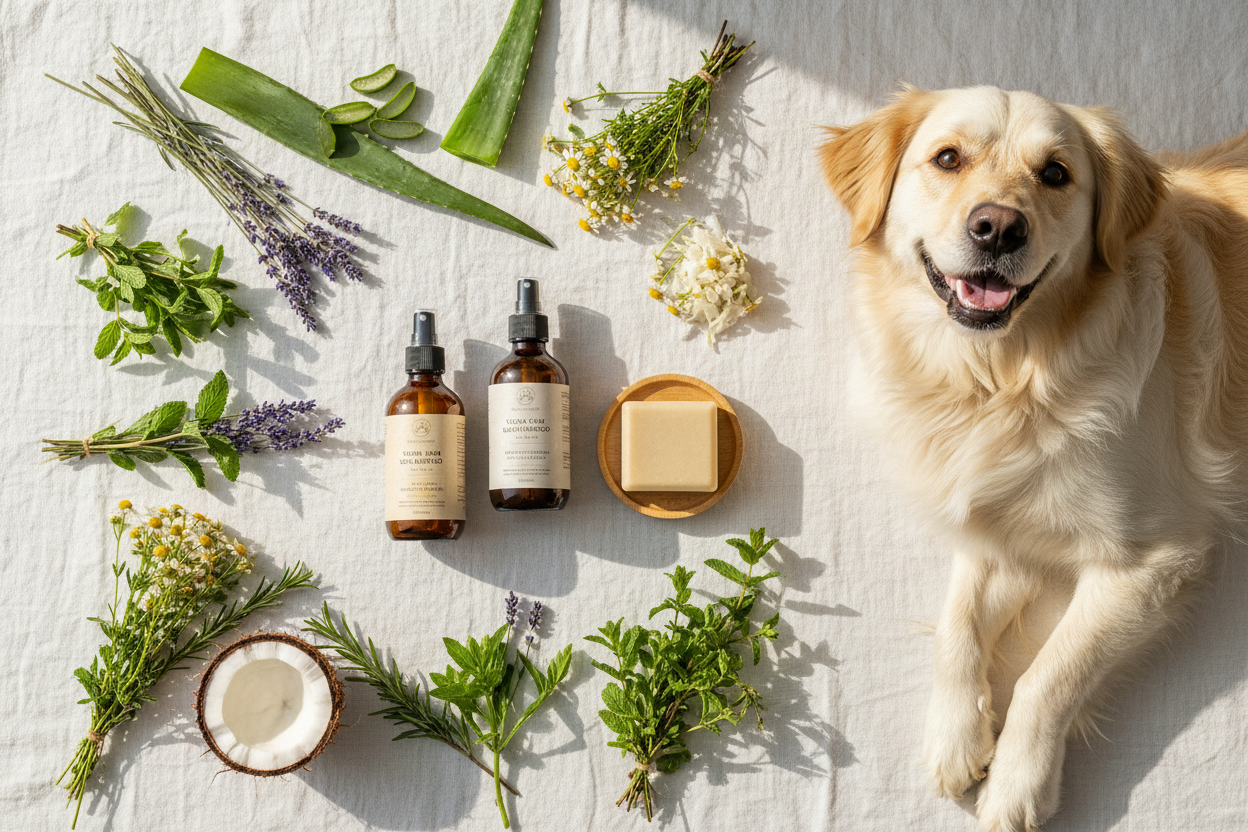
- Botanical actives — Calendula officinalis, Chamomilla recutita (chamomile), and Lavandula angustifolia (lavender) have demonstrated anti-inflammatory and antimicrobial properties in peer-reviewed research and are appropriate for prolonged skin contact
- No-rinse specific formulation — a product genuinely designed as a no-rinse formula will have a different surfactant concentration and rinse profile to a regular shampoo diluted and relabelled
The full ingredient philosophy behind the FurBabies™ Botanicals range is explained in our post: What is in FurBabies™ Botanicals products?
Potential risks and how to manage them
Residue buildup
If the no-rinse shampoo is not properly wiped off after application, surfactant and conditioning residue accumulates on the skin and coat over repeated uses. This can lead to skin irritation, blocked follicles, itching, and a dull coat. The solution is consistent, thorough wiping after every application using a clean damp towel and working through the coat methodically rather than a single quick pass.
Allergic or sensitivity reactions
While uncommon with well-formulated products, any new topical product carries a small risk of sensitivity. Patch test on a small area (the back of the neck or flank) and wait 24 hours before full application. If you notice redness, itching, or behavioural changes, discontinue use. Switching to a plain warm water wipe-down for a few days will usually resolve the reaction.
Ingestion during self-grooming
Cats are the highest-risk group here — they groom continuously and will ingest whatever is on their coat. This is why botanical, food-grade-safe formulations are especially important for cats, and why allowing adequate drying time and using a wet towel wipe to remove as much residue as possible before the cat self-grooms makes a meaningful difference. Avoid any no-rinse product containing alcohol, strong essential oils at high concentrations, or undisclosed fragrance compounds if you are using it on a cat.
No-rinse shampoo and sensitive or itchy skin
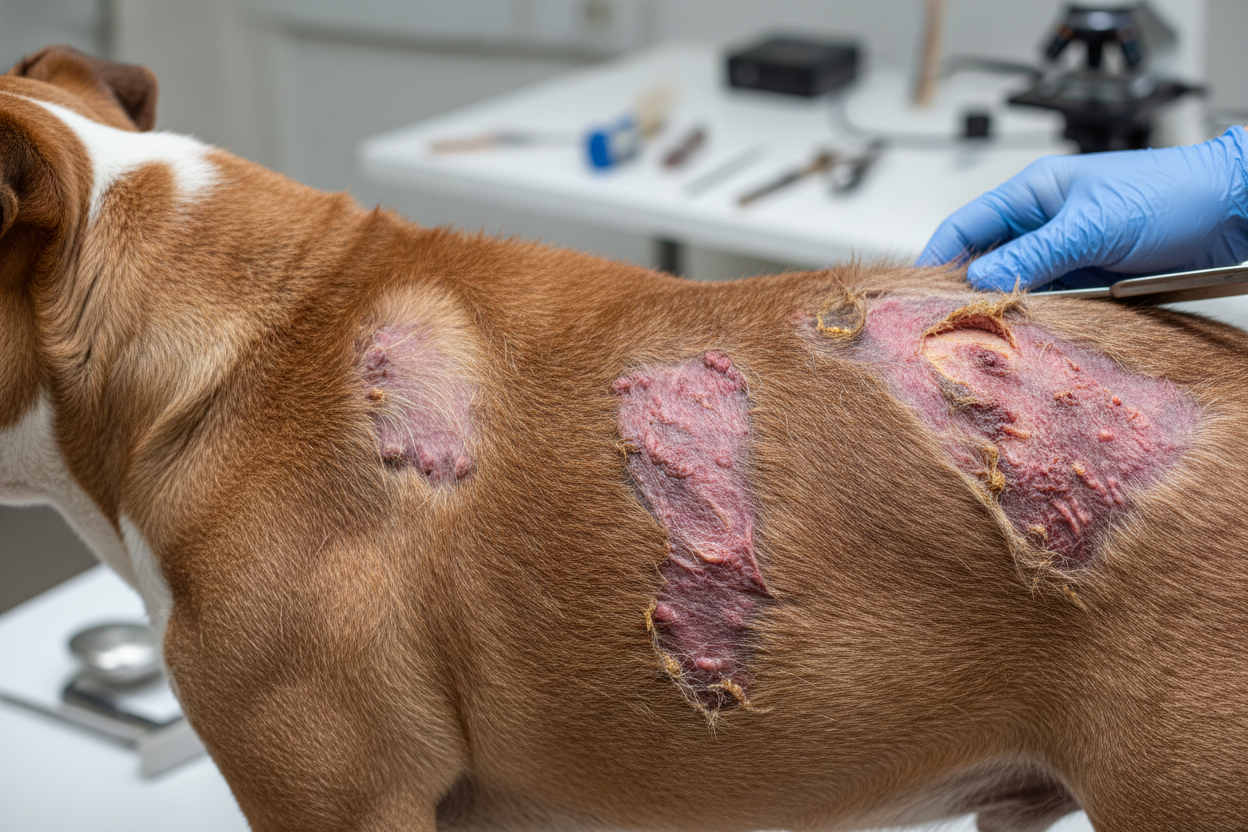
For pets who are already dealing with skin irritation, contact dermatitis, or ongoing itching, no-rinse shampoo can be part of a supportive routine — but it should not be used as the primary treatment for a skin condition. It helps maintain cleanliness between vet visits and reduces allergen load on the coat, but it does not replace a proper diagnostic workup or prescription treatment for persistent skin disease.
Following a no-rinse clean with the DermaRenew Dog Repair Serum (for dogs) or the DermaProtect Cat Skin Repair Serum (for cats) on affected areas helps restore the skin barrier and provides anti-inflammatory botanical support between full wash days. If your pet's skin is significantly compromised, see our guide on why dogs itch and our grooming guide for pets with sensitive skin before establishing a routine.
For dogs who need a comprehensive skin support system — no-rinse freshening between washes, a proper rinse-off bath when needed, and serum for barrier repair the Complete Skin & Coat Bundle brings the core products together.
Frequently asked questions
Can I use no-rinse shampoo on my dog every day? Daily use is not recommended. Even with a gentle formula, daily application and wiping will gradually disturb the skin's natural oil balance. For most dogs, no-rinse is appropriate two to three times per week between full washes, or as needed after muddy walks.
Can waterless shampoo replace a proper bath? No — no-rinse shampoo is a between-bath supplement, not a replacement. It removes surface dirt and odour effectively, but it does not provide the deep cleansing that removes accumulated sebum, allergens embedded in the coat, or secondary bacterial and yeast buildup. Regular full baths with a gentle rinse-off shampoo remain necessary.
Is dry shampoo the same as no-rinse shampoo? In pet grooming, the terms are often used interchangeably, but strictly speaking: no-rinse and waterless shampoos are liquid or foam formulas applied to the coat and wiped off. Dry shampoos are powder-based products that absorb oil rather than lifting it with surfactants. Liquid no-rinse formulas are generally preferred for pets as they are easier to apply evenly and less likely to cause respiratory irritation from powder particles.
Is no-rinse shampoo safe for rabbits and guinea pigs? Yes, when specifically formulated for small animals and used correctly. The FurBabies™ Botanicals No-Rinse Shampoo Conditioner is safe for rabbits, guinea pigs, and hamsters. Never use a product labelled for dogs only on a small animal as the ingredient concentrations may not be appropriate.
My dog hates baths should I just use no-rinse all the time? No-rinse shampoo can significantly reduce the frequency of full baths, but cannot eliminate them. If bath anxiety is severe, the most effective approach is gradual desensitisation over several weeks whilst pairing bath time with high-value rewards, starting with just the feet, and building up slowly. Our grooming guide for pets with sensitive skin has practical tips on reducing bath-time stress.
Not sure which FurBabies™ Botanicals product is right for your pet? Get in touch we're always happy to help.
Share:
Scratching the Surface: Understanding and Treating Common Causes of Dog Itch
What is in FurBabies™ Botanicals Products?