

Last updated: July 2026 | Vet-pharmacist reviewed
Dog Itchy Skin: Causes, Relief and What Actually Helps
If your dog has itchy skin, the most common causes are fleas, environmental allergies, food reactions, skin barrier damage, yeast overgrowth, and inflammatory skin disease such as atopic dermatitis. The best approach is to identify the pattern, reduce triggers, support the skin barrier with gentle grooming and leave-on care, and speak to your vet promptly if your dog has red, sore, smelly, broken or infected skin.
Itching is one of the most common reasons dogs are brought to the vet, but “dog itchy skin” is not one single diagnosis. It is a symptom with many possible causes. That is why some dogs improve with better bathing and barrier support, while others need prescription treatment, flea control, allergy workups, or tests for infection.
This guide is designed as a practical pillar page for dog owners searching for answers about itchy skin, red skin, allergy symptoms, atopic dermatitis, shampoos for sensitive skin, home remedies, supplements and veterinary medicines such as Apoquel. Where a topic needs more detail, you’ll find links to our dedicated articles throughout.
Contents
- Why dogs get itchy skin
- Dog allergy symptoms to look for
- Atopic dermatitis in dogs
- Dog skin red and itchy: what it can mean
- What can I give my dog for itchy skin?
- Best dog shampoo for itchy skin
- Dog itchy skin home remedy: what helps and what to avoid
- Dog supplements for itchy skin
- Apoquel for dogs
- When to see a vet
- A practical FurBabies routine
- FAQs
Why dogs get itchy skin
Dogs itch for many reasons, and more than one cause can be present at the same time. A dog might start with seasonal allergy or flea allergy, then develop skin barrier disruption from scratching, then go on to develop secondary yeast or bacterial overgrowth. That is why chronic itch often spirals unless you address both the trigger and the damaged skin barrier.
Common causes include:
- Flea allergy dermatitis
- Environmental allergies such as pollen, grass or house dust mites
- Food reactions
- Atopic dermatitis
- Contact irritation from shampoos, cleaning products, grass or bedding
- Yeast or bacterial overgrowth
- Seborrhoeic skin disease
- Dry skin and over-bathing with harsh detergents
- Parasites such as mites
- Less commonly, hormonal or metabolic conditions
For a broader overview of common causes, read Why Is My Dog Itching? Causes, Treatments and When to See a Vet and Scratching the Surface: Understanding and Treating Common Causes of Dog Itch.
Dog allergy symptoms to look for
Dog allergy symptoms do not always look dramatic at first. Many dogs start with paw licking, face rubbing, ear scratching, recurrent “smelly” skin, pink skin after walks, or chewing at the belly and groin. Others show repeated ear issues, red paws, rubbing along carpets, or seasonal flares that keep coming back.
Common signs of allergic skin disease include:
- Itching, licking, chewing or rubbing
- Red skin, especially on paws, belly, armpits, ears or groin
- Recurrent ear irritation
- Brown saliva staining from licking
- Hair thinning or bald patches
- Dandruff, greasiness or a musty smell
- Flare-ups after grass, seasonal changes, grooming products or certain foods
If your dog’s itch is recurring rather than one-off, allergy should be on the differential list. The exact trigger still needs sorting out, because flea allergy, food reactions and atopic dermatitis can overlap.
Related reading: Dog Allergies Cost.
Atopic dermatitis in dogs
Atopic dermatitis in dogs is a chronic inflammatory skin disease linked to allergy and skin barrier dysfunction. Dogs with atopic dermatitis often have long-term itch, recurrent flares, red paws, ear issues, skin infections and a weakened barrier that lets irritants and allergens cause more trouble.
This matters because atopic dogs do not just need “something to stop scratching.” They usually need a long-term management plan that may include trigger reduction, regular skin barrier support, anti-itch medication, and treatment of secondary infection where present.
For the deeper clinical piece, read Apoquel (Oclacitinib) for Anti Itch For Dogs: The Complete UK Guide and Cytopoint for Dogs: Anti Itch Injection — Side Effects, How It Works.
Dog skin red and itchy: what it can mean
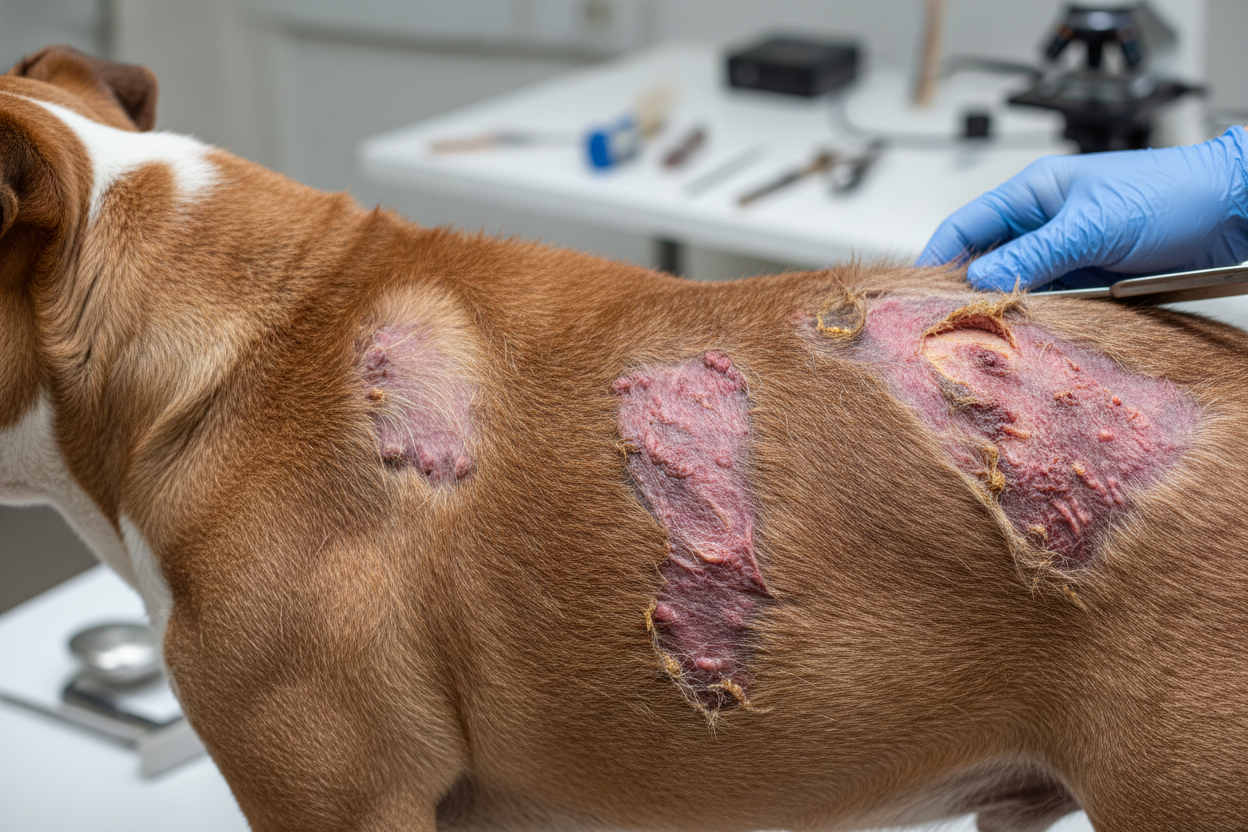
When dog skin is red and itchy, think beyond “dry skin.” Redness can happen with allergy, contact dermatitis, yeast overgrowth, bacterial infection, flea allergy, seborrhoeic disease, or skin that has been stripped by harsh cleansing products.
Patterns help:
- Paws, belly, armpits: often allergy or contact irritation
- Greasy, flaky, smelly skin: think seborrhoeic change or yeast imbalance
- Sudden local rash: think contact trigger, sting, bite or irritant
- Back end and tail base: flea allergy should always be ruled out
For help distinguishing patterns, see Dog Contact Dermatitis vs Seborrheic Dermatitis.
What can I give my dog for itchy skin?
What you can give your dog for itchy skin depends on the cause and severity. Mild itch may improve with strict flea control, gentle bathing, skin barrier support, and removal of likely irritants. Moderate to severe or recurrent itch often needs veterinary treatment, especially if the skin is red, smelly, broken, weeping or infected.
A practical approach is:
- Rule out fleas and keep flea control current.
- Switch to gentle, non-stripping skin care.
- Dry the coat thoroughly after bathing or swimming.
- Use leave-on barrier support on dry coat where appropriate.
- See your vet if symptoms are persistent, worsening or severe.
If your dog is intensely itchy, bleeding, getting repeated infections, or losing sleep from scratching, over-the-counter guessing is not enough. That is the stage to involve your vet.
See also When to Consult a Veterinarian for Dog Itch.
Best dog shampoo for itchy skin
The best dog shampoo for itchy skin is one that cleans without stripping the skin barrier further. Many itchy dogs do badly with harsh detergent-based shampoos, heavy fragrance, or products that leave the coat squeaky-clean but the skin dry, reactive and more vulnerable afterwards.
For sensitive itchy skin, look for a shampoo that is:
- Gentle and non-stripping
- Suitable for frequent use when needed
- Supportive of the skin barrier rather than aggressively degreasing
- Easy to rinse or apply without residue problems
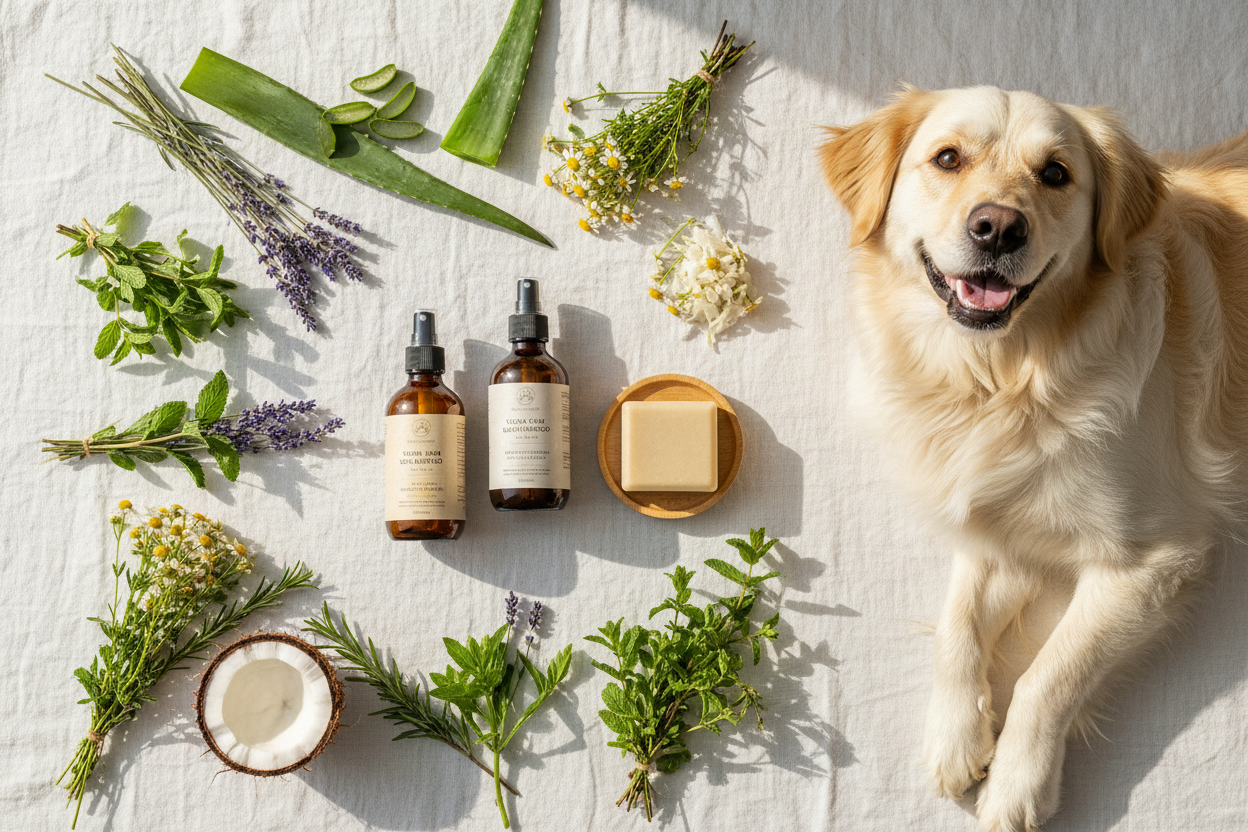
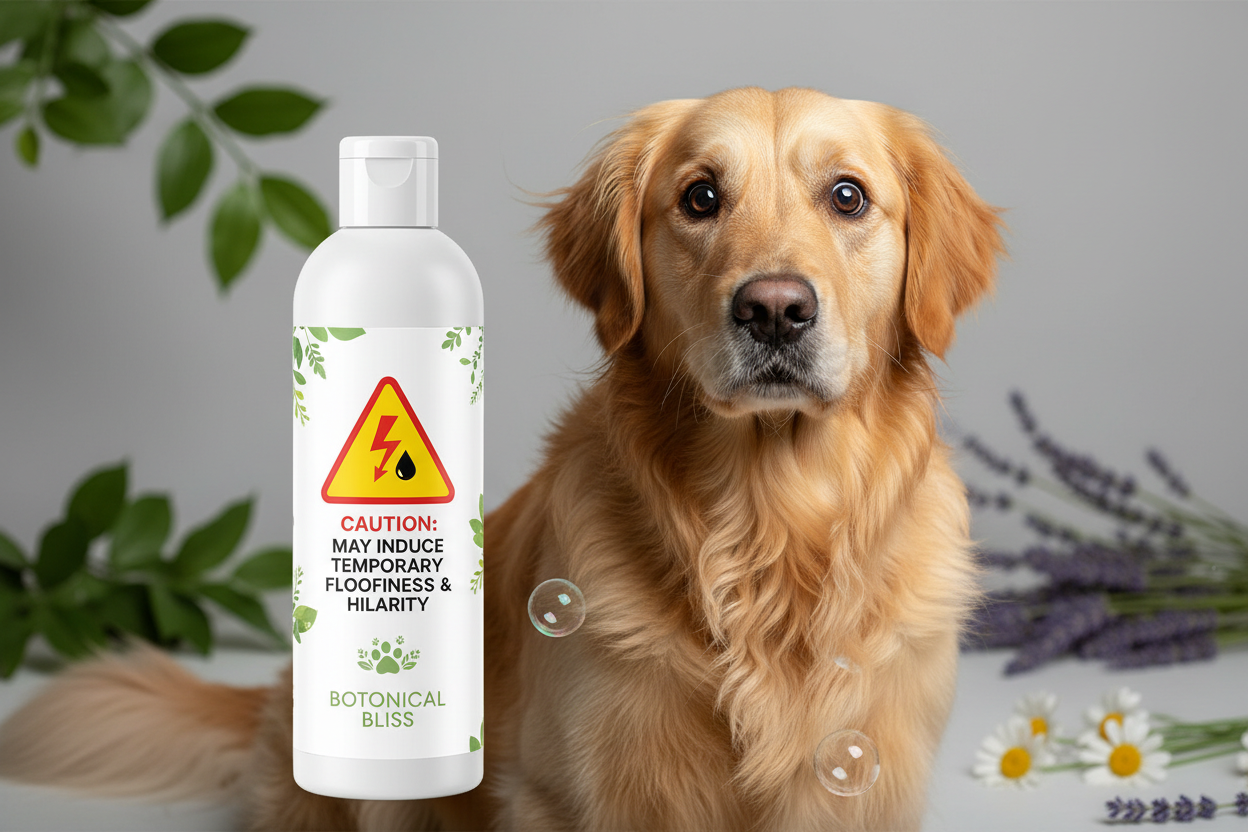
At FurBabies™ Botanicals, two practical options for itchy and sensitive coats are:
- Rinse-Off Shampoo (Lavender) for a traditional wash routine
- No-Rinse Shampoo (Rose Geranium) for gentle cleansing between full baths or for pets who struggle with bathing
For the dedicated shampoo article, read Dog Shampoo for Sensitive Skin: A Clinical Pharmacist’s Complete Guide to Gentle Grooming and Best Dog Shampoos in 2025.
Dog itchy skin home remedy: what helps and what to avoid
Dog itchy skin home remedies can be helpful for mild irritation, but they are not a substitute for proper diagnosis when a dog has severe, chronic or infected skin disease. Home support works best as part of a bigger plan.
Helpful home measures can include:
- Strict flea control
- Gentle bathing with an appropriate shampoo
- Drying the coat properly after washing or swimming
- Washing bedding regularly
- Cleaning paws after grass exposure when relevant
- Using skin barrier support appropriately
Avoid home remedies that commonly backfire, such as harsh essential oil use, over-bathing, human shampoos, strong detergents, or applying leave-on products to damp skin when moisture is likely to linger. Damp skin and trapped moisture can encourage yeast problems rather than help them.
One useful leave-on option in a barrier-support routine is Lavender DermaRenew Serum, which should be applied to a dry coat only, not a damp one. For a bundle option, see Calm the Itch.
Dog supplements for itchy skin
Dog supplements for itchy skin are usually adjuncts, not stand-alone cures. They can be useful when itch is linked to inflammation, barrier weakness or chronic allergy, but they still work best alongside diagnosis, proper grooming, parasite control and veterinary treatment where needed.
In practice, supplements are often considered for:
- Skin barrier support
- Omega-3 intake
- Longer-term inflammatory skin support
If a dog is already on prescription treatment, has other health conditions, or is taking multiple products, it is worth checking the full plan with your vet before adding more supplements.
Apoquel for dogs
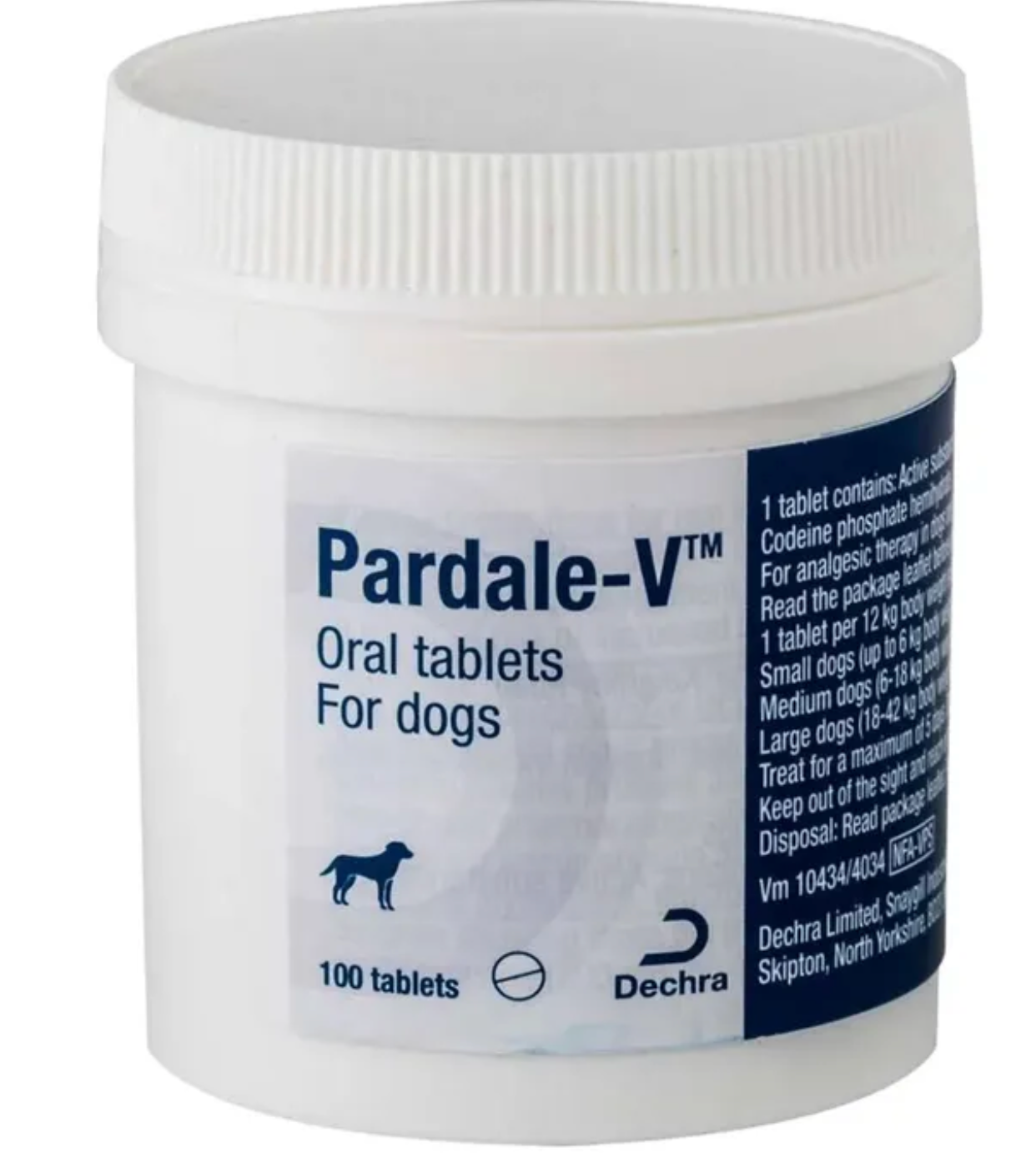
Apoquel is a prescription anti-itch medicine used in dogs with allergic dermatitis and atopic dermatitis. It can be very helpful in the right patient, but it is not the whole answer, because stopping itch signals does not automatically repair the damaged skin barrier underneath.
That is why many itchy dogs still need skin-friendly bathing, barrier support, trigger management and monitoring for infection even if a prescription medicine helps. If your dog’s itch is severe or persistent, ask your vet whether Apoquel, Cytopoint or another option is appropriate for your dog’s case.
Read more here:
- Apoquel (Oclacitinib) for Dogs
- Can I Give My Dog Benadryl and Apoquel?
- Piriton vs Apoquel vs Cytopoint Dogs UK
- Cytopoint for Dogs
When to see a vet
You should see a vet if your dog’s itch is intense, recurrent, seasonal but worsening, associated with hair loss, bad smell, redness, sores, darkening skin, ear problems, or interrupted sleep. Veterinary help is especially important if home care has failed, if the skin looks infected, or if your dog seems unwell in themselves.
Seek professional advice sooner rather than later if you notice:
- Weeping, crusting or bleeding skin
- A strong yeasty or infected odour
- Repeated paw chewing or ear flares
- Rapid hair loss or bald patches
- No improvement despite flea control and gentle skincare
Further reading: When to Consult a Veterinarian for Dog Itch.
A practical FurBabies™ Botanicals routine
If your dog has mild to moderate itchy skin and you are building a supportive home routine, keep it simple and consistent.
- Cleanse gently: Use Rinse-Off Shampoo for bath days, or No-Rinse Shampoo between full washes where appropriate.
- Dry thoroughly: Pay close attention to paws, armpits, groin, folds and any dense coat areas. Persistent dampness can worsen yeast problems.
- Support the barrier: Apply Lavender DermaRenew Serum to a dry coat only.
- Protect dry exposed areas: Use Paw, Nose & Wrinkle Balm on suitable external dry areas that need extra support.
- Escalate when needed: If the itch is not settling, speak to your vet and use this page’s specialist links for the next step.
If you want a pre-bundled option for itchy skin support, see Calm the Itch.
FAQs
Why is my dog itching but has no fleas?
Your dog may still be itchy because itch is not caused by fleas alone. Environmental allergy, food reactions, atopic dermatitis, contact irritation, mites, yeast and skin barrier damage are all possibilities.
What is the best dog shampoo for itchy skin?
The best shampoo is one that cleans gently without worsening barrier damage. For sensitive dogs, avoid harsh stripping formulas and choose a skin-friendly shampoo designed for itchy or delicate skin.
Can I use home remedies for dog itchy skin?
For mild cases, some home measures can help, such as gentle bathing, proper drying, bedding hygiene and barrier support. But severe, chronic, red, smelly or broken skin needs veterinary assessment.
What can I give my dog for itchy skin fast?
Fast relief depends on the cause. If the itch is significant or recurrent, the most effective next step is veterinary advice rather than trial and error, especially where allergy or infection is suspected.
Is Apoquel better than antihistamines for dogs?
They are not interchangeable. Apoquel is a prescription treatment used for allergic and atopic itch, whereas antihistamines often have limited benefit in chronic canine atopic dermatitis. Your vet can advise which option is appropriate.
Related articles
- Why Is My Dog Itching? Causes, Treatments and When to See a Vet
- Scratching the Surface: Understanding and Treating Common Causes of Dog Itch
- Dog Shampoo for Sensitive Skin: A Clinical Pharmacist’s Complete Guide to Gentle Grooming
- Apoquel (Oclacitinib) for Anti Itch For Dogs: The Complete UK Guide
- Can I Give My Dog Benadryl and Apoquel?
- Best Dog Shampoos in 2025
- Dog Contact Dermatitis vs Seborrheic Dermatitis
- Tips for Grooming Pets with Sensitive Skin
- Cytopoint for Dogs: Anti Itch Injection — Side Effects, How It Works
- Piriton vs Apoquel vs Cytopoint Dogs UK
- When to Consult a Veterinarian for Dog Itch
- Dog Allergies Cost
Disclaimer: This article is for educational purposes only and does not replace veterinary advice, diagnosis or treatment. If your dog has persistent, severe, infected or worsening skin disease, contact your veterinary surgeon.
Written for FurBabies™ Botanicals, myfurbabies.co.uk.




Share:
Best Pet Insurance UK 2026: Compare Top 10 Providers for Dogs & Cats