
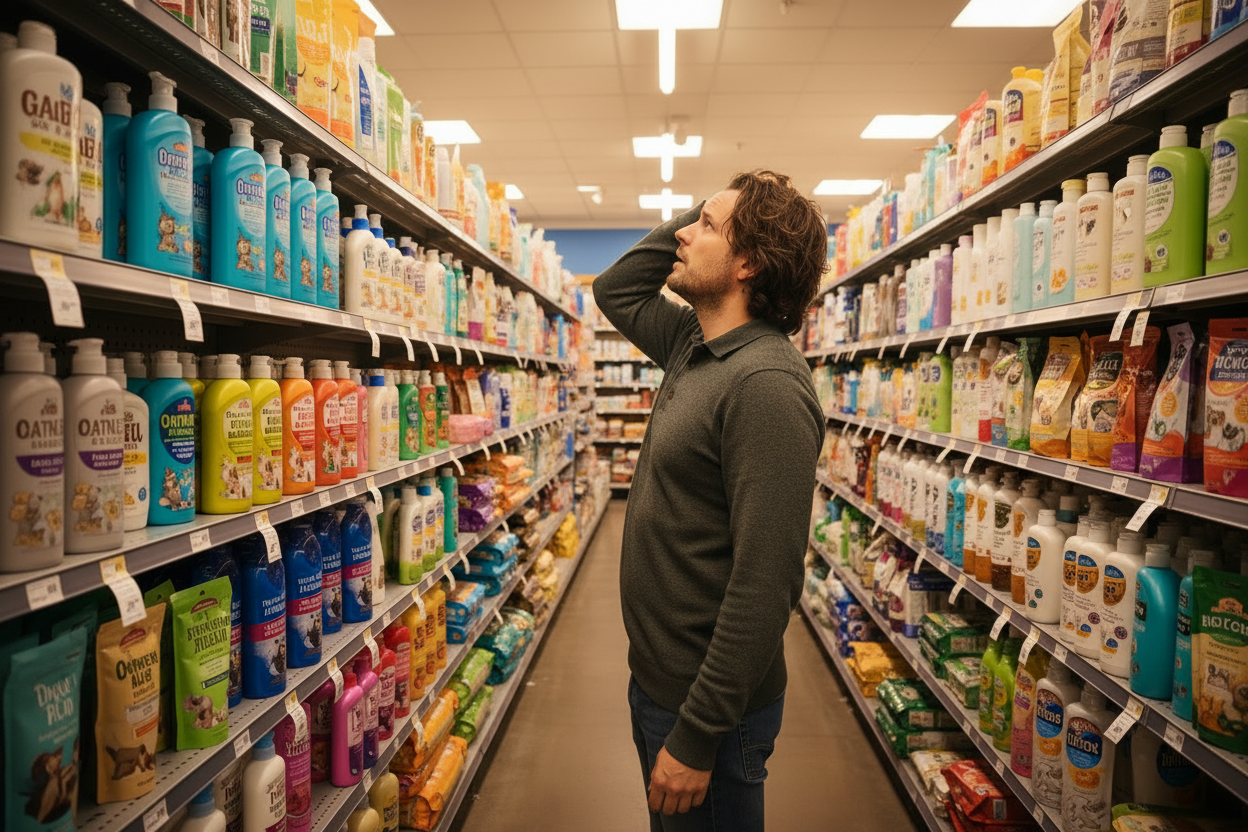
Does the choice of pet shampoo really matter? Yes significantly. Using the wrong shampoo on your dog, cat, or small pet can strip protective skin oils, disrupt pH balance, trigger itching, and cause long-term coat damage. This guide explains exactly what to look for and what to avoid, so you can make a genuinely informed choice.
This is the pillar guide for pet shampoo in the UK. It covers why pet skin is fundamentally different from human skin, what the ingredients to avoid actually do, and how to read a label confidently.
A good quality pet shampoo should rinse off quickly and completely, leaving your pet's coat clean, soft, and free from residue. However, with hundreds of products on the market, how do you know which one is actually right for your dog, cat, hamster, or guinea pig?
Why pet skin is different from human skin
One of the most important things to understand is that your pet's skin is significantly thinner and more sensitive than yours. A dog's skin is around 3–5 cell layers thick; human skin is 10–15. This means ingredients applied to a pet's coat are absorbed far more readily into the bloodstream, and harsh chemicals cause damage much more quickly.
Pets also have a different skin pH to humans. Human skin sits at around pH 5.5 (slightly acidic), while a dog's skin pH is closer to 7.0 (neutral). This is why human shampoos — including mild baby shampoos are not appropriate for regular use on dogs. They're formulated for the wrong pH balance entirely, which over time disrupts the skin's protective acid mantle and increases the risk of infection and irritation.
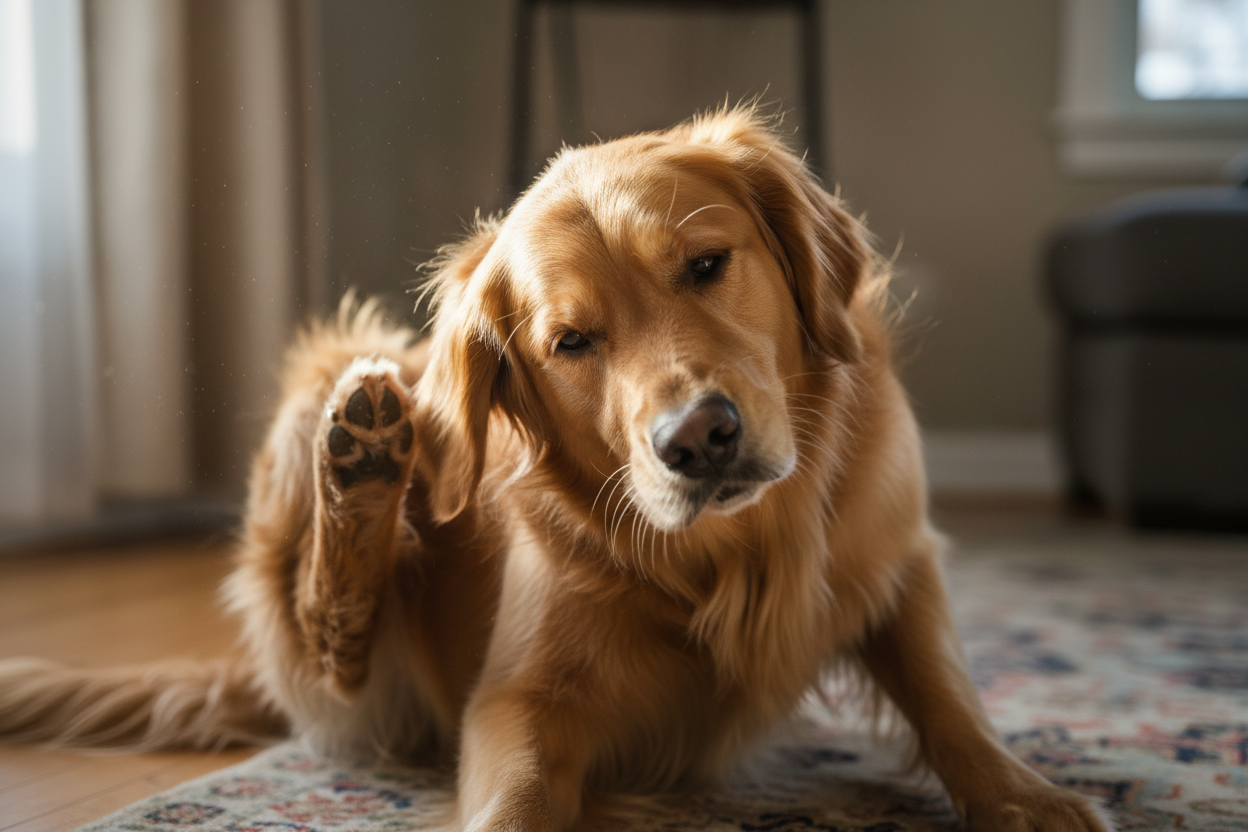
If your dog is already showing signs of irritation, it's worth reading our guide on why your dog might be itching shampoo choice is often an overlooked cause.
The problem with high-lather shampoos
Many popular pet shampoos — particularly cheaper ones — rely on a surfactant called SLS (Sodium Lauryl Sulphate), sometimes listed as SLES (Sodium Laureth Sulphate). SLS is also found in washing-up liquid and household detergents. It produces a satisfying lather, which many people associate with cleanliness, but that foam comes at a cost.
The truth is that lather has nothing to do with cleaning power. It's a marketing illusion. SLS-based shampoos clean aggressively — stripping away not just dirt and excess oil, but also the natural protective oils your pet's skin needs to stay healthy and balanced.
For a full breakdown of why SLS and SLES are worth avoiding, see our dedicated post: Why avoid shampoos with SLS and SLES?
Shampoos with harsh detergents vs gentle surfactants
Not all surfactants are equal. Here's how harsh detergent-based shampoos compare to those formulated with gentle, natural surfactants:
Shampoos with harsh detergents (e.g. SLS/SLES-based)
- Cleaning power: Very strong, often excessively so. They remove dirt effectively but also strip the natural oils that keep skin supple and protected.
- Skin irritation: Much more likely to cause redness, itching, and dryness, particularly in pets with already sensitive skin. In cats, SLS inhalation during grooming has been linked to respiratory problems.
- Long-term impact: Repeated use disrupts the skin's natural pH balance, increasing the risk of dryness, flakiness, and secondary skin infections over time.
- Rinsing: Paradoxically, high-lather shampoos often take longer to rinse out fully — not ideal for a pet who finds bath time stressful.
Shampoos with gentle surfactants (e.g. coconut-derived or plant-based)
- Mild but effective cleaning: Gentle surfactants remove dirt, excess oil, and debris without stripping the coat. The result is a clean, soft coat — not a squeaky-dry one.
- Skin-friendly: Far less likely to cause irritation. Many are specifically formulated to soothe and moisturise, which is particularly helpful for pets prone to itching or sensitivity.
- Long-term benefits: Regular use helps maintain the skin's natural moisture barrier and pH balance, supporting overall coat and skin health.
- Rinses easily: A well-formulated gentle shampoo lifts off quickly in water — shorter bath time, less stress for your pet.
At FurBabies™ Botanicals, we spent considerable time researching and testing formulations to find surfactants that are both highly effective and kind to sensitive pet skin. You can read more about exactly what goes into our products in our post: What is in FurBabies™ Botanicals products?
Does this apply to cats, puppies, and small pets too?
Absolutely! In fact it matters even more for smaller and younger animals.
Puppies have particularly thin and underdeveloped skin during their first months of life. A harsh shampoo used early on can cause lasting sensitivity. Our guide on the best shampoo for puppies covers what to look for at each life stage.
Cats are a special case because they groom themselves extensively after bathing. Any shampoo residue left in the coat will be ingested — making ingredient safety even more critical. SLS in particular has been associated with respiratory problems in cats who inhale it during grooming. Our guide to shampoos for cats goes into more detail.
Guinea pigs, hamsters, and rabbits are rarely bathed and have very delicate skin. When a wash is necessary, only the mildest, most natural formulations should be used — and only those specifically labelled as safe for small animals.
What about no-rinse shampoos?
No-rinse or dry shampoos can be a useful option between full washes, particularly for older pets, those recovering from surgery, or animals who find bathing especially stressful. However, the same ingredient rules apply — a no-rinse product that sits on the coat and skin for hours needs to be even gentler than a regular shampoo. We cover this in detail in our post on no-rinse shampoo for pets.
Signs you might be using the wrong shampoo
Watch out for these red flags after bathing your pet:
- Scratching or rubbing immediately after a bath
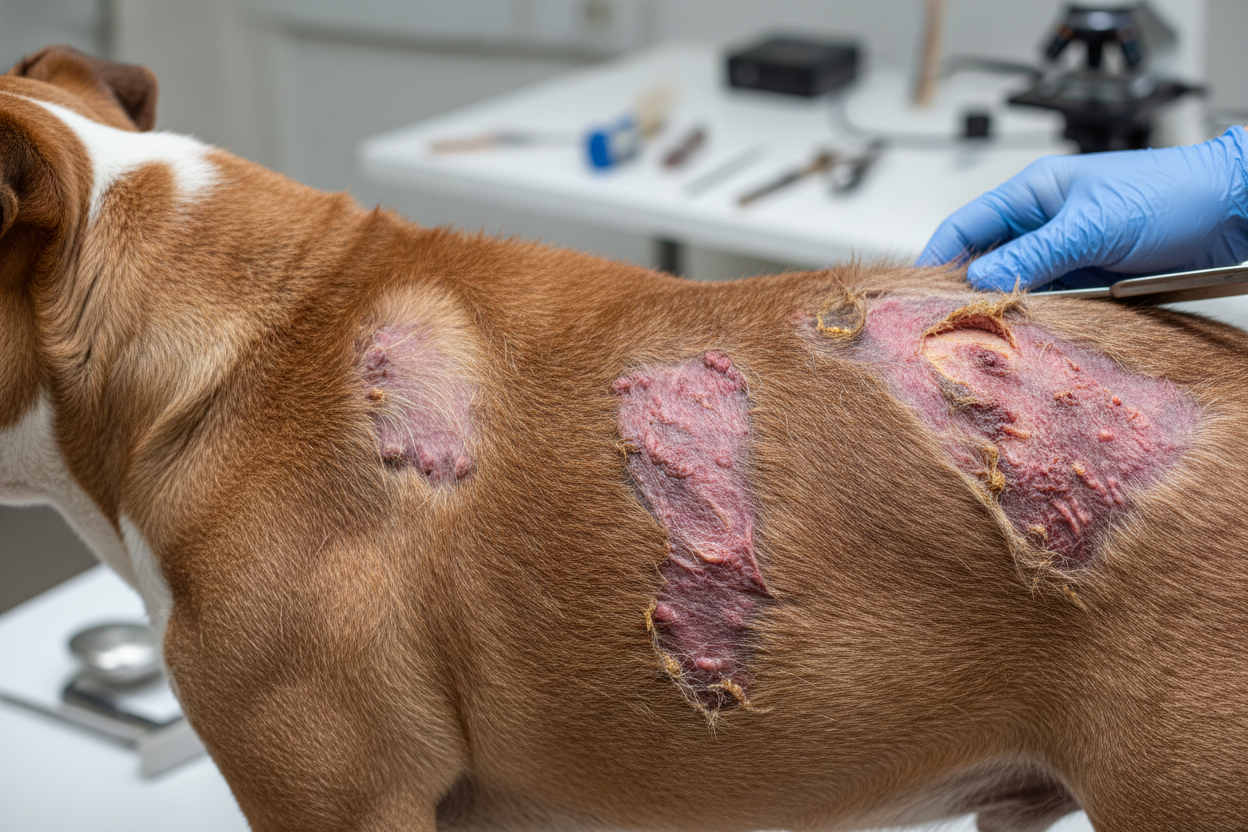
- Red or pink skin visible through the coat
- Dry, flaky skin or dandruff appearing a day or two after washing
- A dull, brittle coat that lacks its usual lustre
- Excessive licking of paws or body after bathing
If your pet is already suffering from persistent itching, the shampoo may be a contributing factor .....but it's rarely the only one. Our article on understanding and treating the causes of dog itch walks through the full picture, and our grooming guide for pets with sensitive skin has practical tips for making bath time as comfortable as possible.
How often should you bathe your pet?
Most healthy dogs only need bathing every four to six weeks unless they've rolled in something unpleasant a common occurrence for UK dogs enjoying muddy countryside walks! Over-bathing, even with a gentle shampoo, can strip natural oils if done too frequently.
Cats generally don't need bathing at all unless they have a skin condition, have got into something sticky or toxic, or are unable to groom themselves. Short-haired cats in particular are excellent self-groomers.
Small pets like guinea pigs and rabbits should only be bathed when genuinely necessary stress from bathing can itself cause health problems in these animals.
What to look for on the label
When choosing a shampoo for your pet, look for:
- No SLS or SLES in the ingredients list
- No parabens (preservatives linked to skin sensitisation)
- pH balanced for pets — not humans
- Natural or plant-derived surfactants such as coco glucoside or decyl glucoside
- Species-specific formulation — a dog shampoo for dogs, a cat shampoo for cats
- Free from artificial fragrance — synthetic perfumes are a common irritant
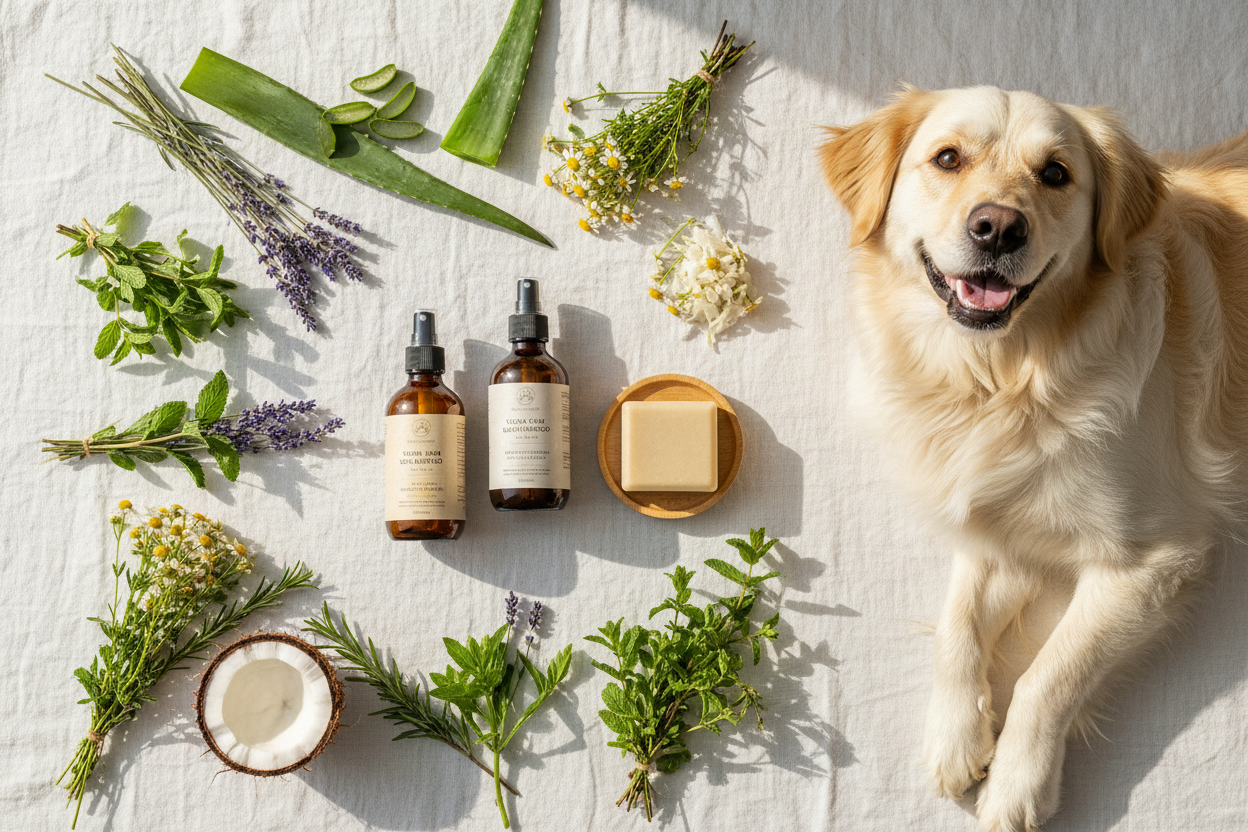
The FurBabies™ Botanicals range is formulated around all of these principles. Every ingredient is chosen with your pet's skin health and safety in mind and nothing goes in that we wouldn't be happy to explain. Read exactly what's in our products here.
Have questions about which shampoo is right for your pet? Feel free to get in touch — we're always happy to help.
Share:
Can Dogs Catch Cat Fleas (and Vice Versa)? UK Pharmacist Guide
Baby Shampoo for Dogs