
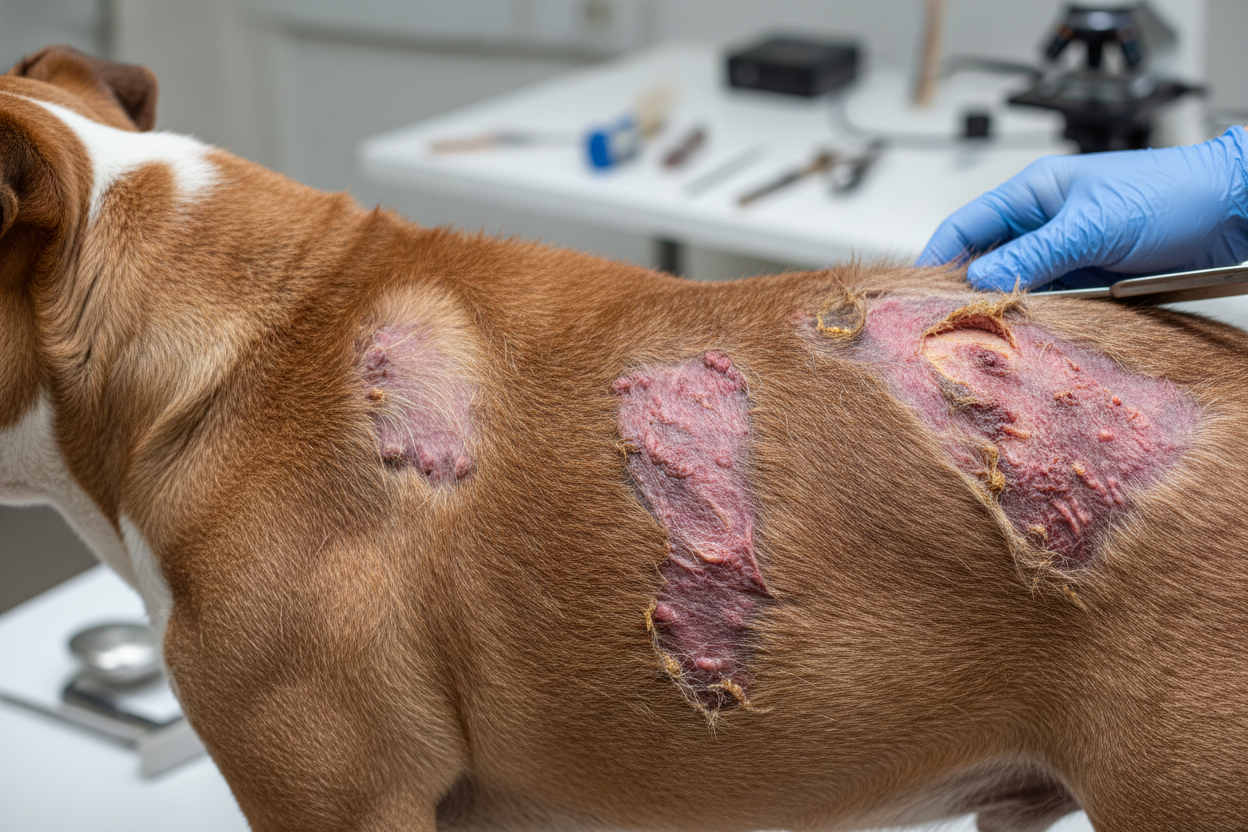
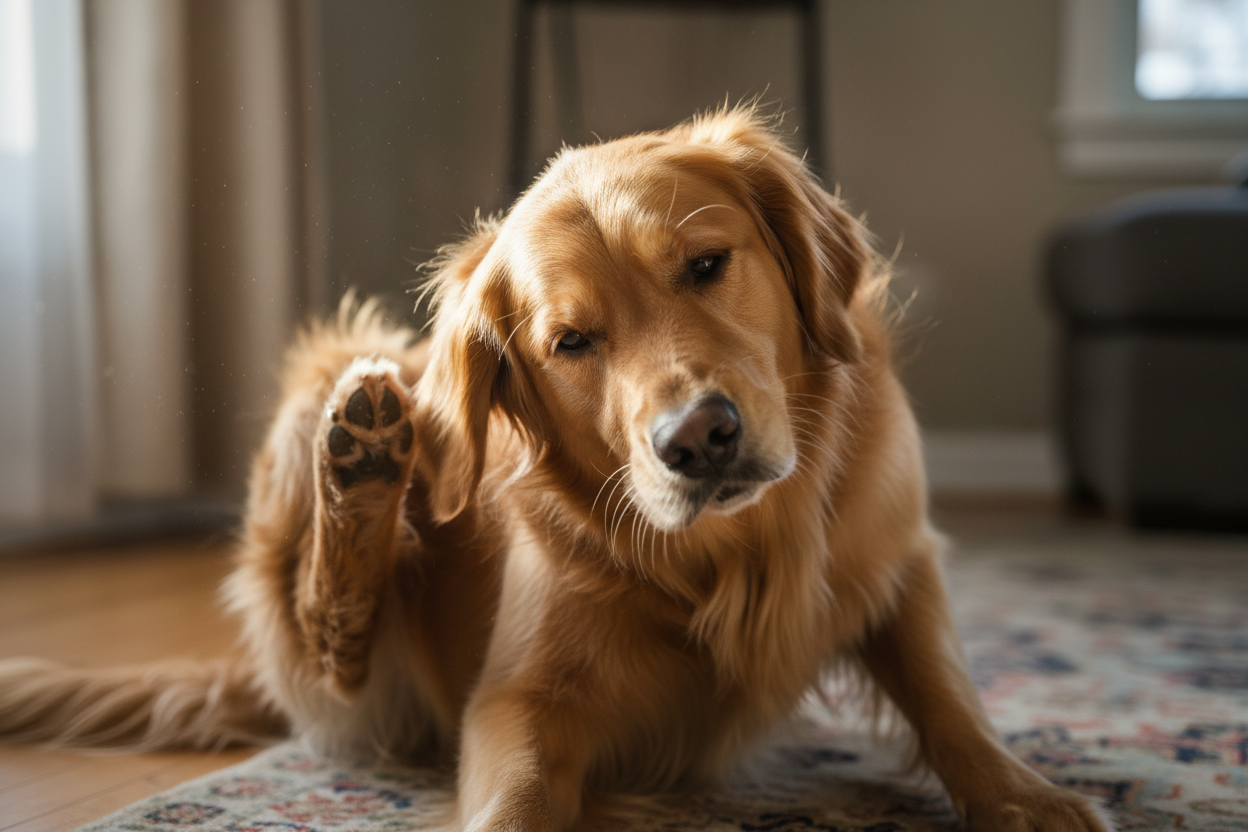
Why does my dog keep scratching? The most common causes of persistent dog scratching are fleas, house dust mites, environmental allergies, skin infections, and damage caused by harsh grooming products. Getting to the root cause — not just treating the symptom is the only way to give your dog lasting relief.
This guide walks through each cause clearly, with practical steps you can take at home and guidance on when professional treatment is needed.
Common causes of dog itch
When it comes to dog itch, several causes come up repeatedly. These range from external factors such as fleas and ticks to internal factors like allergies and sensitivities. Understanding them is essential to providing the right treatment and relief for your dog.
1. Fleas and ticks
One of the most common causes of itching in dogs is the presence of fleas and ticks. These parasites not only cause discomfort — they can also transmit diseases. The saliva from fleas and ticks can trigger an allergic reaction in some dogs, leading to intense itching and scratching. Regularly check your dog for these parasites and take preventive measures to keep them at bay.
Various treatment options are available including topical treatments, oral medications, and collars. Consult your vet to determine the most effective and safe solution for your dog. Regular grooming and a clean environment help prevent infestations.
2. House dust mites
House dust mites (Dermatophagoides pteronyssinus) can be an unexpected source of discomfort for dogs. These microscopic arthropods thrive in household environments — particularly in bedding, carpets, and upholstery. When present in significant quantities, their microscopic particles become airborne and settle on a dog's fur or skin, triggering allergic reactions in sensitive dogs. Regular cleaning, vacuuming, and hypoallergenic bedding can significantly reduce the presence of dust mites and help keep dogs more comfortable.
3. Allergies and sensitivities
Dogs can develop allergies to substances in their environment — pollen, dust mites, and certain foods. These allergies can cause itching, redness, and irritation. Identifying the allergen is crucial. This can be done through allergy testing, elimination diets, or by observing patterns in your dog's symptoms. Avoidance is often the best course of action. In some cases, medications such as antihistamines or steroids may be prescribed by your vet.
4. Skin infections
Bacterial and fungal infections can occur when the skin barrier is compromised or when there is an overgrowth of certain microorganisms. Common signs include redness, swelling, discharge, and a foul odour. Treatment typically involves a combination of topical treatments — such as medicated shampoos — and oral medications such as antibiotics or antifungals. Keeping your dog's skin clean and dry helps prevent future infections.
5. Environmental factors
Dry air, harsh chemicals, and certain fabrics can also contribute to dog itch. Dry air causes the skin to become dry and itchy, while exposure to harsh chemicals can irritate the skin. Using a humidifier, avoiding harsh cleaning products, and opting for soft, breathable fabrics can help. Regular bathing with a gentle shampoo and moisturising the skin helps maintain hydration.
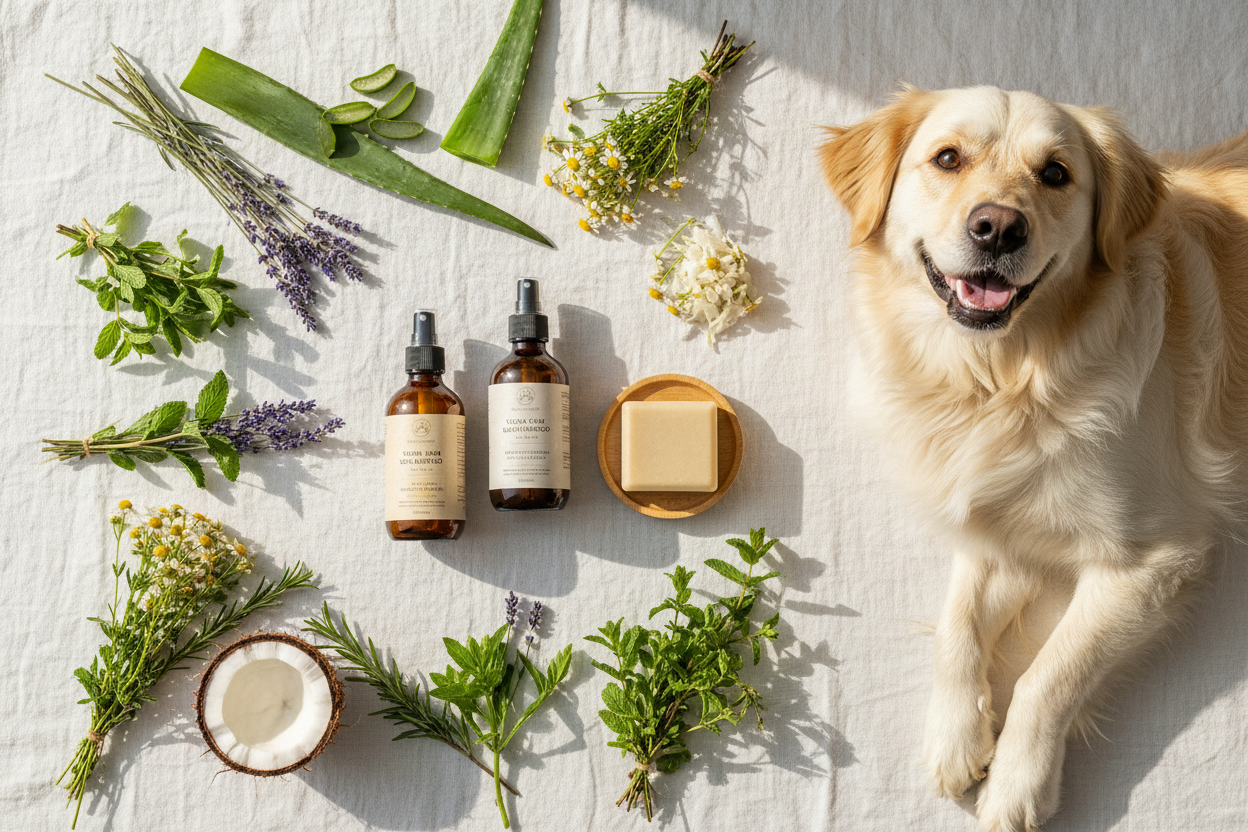
This is where your choice of shampoo matters more than most people realise. Shampoos containing SLS, SLES, or parabens strip the skin's protective oils and disrupt your dog's natural pH balance — contributing directly to the itch cycle. The FurBabies™ Botanicals Rinse-Off Shampoo is formulated without these harsh ingredients, using gentle plant-derived surfactants that clean effectively while supporting the skin barrier rather than dismantling it.
For dogs who find bathing stressful or need a refresh between washes, the No-Rinse Shampoo Conditioner is a gentler, quicker option that works without water.
Once the coat is clean, applying the DermaRenew Patchy Coat Dog Repair Serum to affected areas helps restore the skin barrier and calm the inflammatory response that drives itching. For dogs with persistent skin issues, the Complete Skin & Coat Bundle combines shampoo and serum in one system.
If you are not sure what is triggering your dog's scratching, our free Dog Smell & Itch Checklist is a useful starting point it walks you through the most common causes systematically so you can narrow down the likely trigger before reaching for treatments.
For more detail on less obvious causes of itching and when to consult a vet, read our companion article: Dog itch: what else could it be?
Questions about your dog's skin? Get in touch, we're always happy to help point you in the right direction.
Share:
Dog itch - what else could it be?
Is No-Rinse or Dry Shampoo Safe For Pets?