
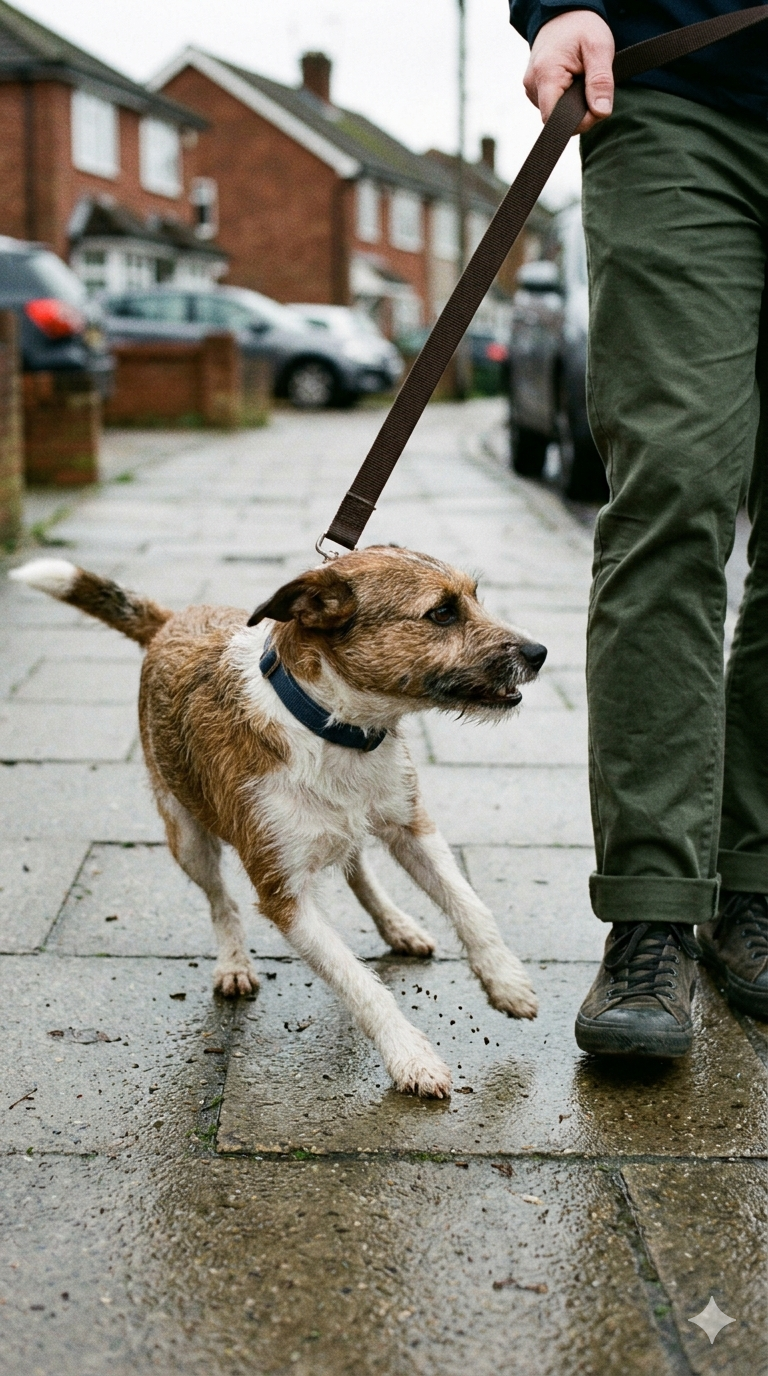
Stop Walking Your Dog From Their Neck
Dogs are not built to withstand repeated compressive loading at the neck. Their anatomy evolved for running, biting, and carrying prey, not for sustained tension applied to a narrow band of tissue around the throat. The argument that dogs seem fine is not sufficient. Pain in animals is notoriously underrecognised, and the behavioural signs of chronic neck discomfort, including reluctance to turn the head, shortened stride on the front legs, increased stillness, or subtle changes in posture, are routinely attributed to age or temperament rather than pain. [1]
Most people reading this have done it thousands of times without thinking. You clip the lead to the collar, the dog pulls, the collar tightens, and you carry on walking. It feels normal because it is normal. Virtually every dog you see on a British high street is walked this way. However, normal is not the same as harmless, and what we now know about the anatomy of the canine neck, the physiology of chronic pain, and the way soft tissue responds to repeated compression changes this conversation entirely.
This article is not written to blame anyone. It is written because the evidence is clear enough that staying quiet about it would be a failure of responsibility, and because as a vet-pharmacist I observe the downstream effects of this kind of chronic, low-grade injury in older dogs. By the time the signs appear, the damage is often already well established.
What Is Actually in a Dog's Neck
The neck is one of the most structurally dense parts of a dog's body. Running through it are the trachea, the oesophagus, the carotid arteries, the jugular veins, the vagus nerve, the lymphatic chain, the thyroid and parathyroid glands, the cervical spinal cord, and seven cervical vertebrae surrounded by a complex web of muscles, ligaments, tendons and fascia. All of these structures sit within a relatively small anatomical space. When a collar tightens, everything in that space absorbs the force.
The Structures at Risk
The Trachea
The trachea sits at the ventral midline of the neck, directly beneath the skin. It is composed of incomplete cartilage rings held together by ligamentous tissue, and its structural integrity depends on those rings maintaining their shape under normal physiological pressure. Repeated collar compression loads the tracheal cartilage in a way it was not designed to withstand. Over time, particularly in small breeds and brachycephalic dogs, this contributes to tracheal collapse, a condition in which the dorsal tracheal membrane weakens and the airway narrows progressively during inspiration and expiration. [2, 3] Owners often describe the characteristic goose-honk cough as something that "just appeared" in middle age, but the mechanical insult behind it may have been accumulating for years.
The Thyroid Gland
The thyroid gland sits bilaterally at the level of the second to fourth tracheal rings, directly beneath where most collars rest. Dr Jean Dodds and Dr Peter Dobias, among others in veterinary medicine, have raised clinical concern that repeated mechanical trauma to this region may trigger localised inflammation and immune-mediated injury to thyroid tissue over time. [4, 5] Hypothyroidism is one of the most commonly diagnosed endocrine conditions in dogs, and while genetics play a substantial role, the possibility that chronic collar trauma contributes to thyroid dysfunction in some dogs deserves far more attention than it currently receives in mainstream practice.
The Cervical Spine and Associated Nerves
Sudden jerks on a lead, whether from the dog lunging or from a handler correction, generate whiplash-pattern forces through the cervical vertebrae. These forces are transmitted to the intervertebral discs, the facet joints, the surrounding musculature, and the nerve roots exiting the spinal cord at each level. Nerve root compression at the cervical level can produce forelimb lameness, altered gait, altered posture, and referred pain into the shoulders and thoracic region. [6, 7] These presentations are frequently investigated as primary orthopaedic problems without sufficient consideration of the neck as the originating site.
Intraocular Pressure
Research published in veterinary ophthalmology has demonstrated that collar pressure sufficient to restrict jugular venous drainage causes a measurable and clinically significant rise in intraocular pressure. [8] In dogs with subclinical glaucoma or those already at risk due to breed predisposition, this represents a genuine and avoidable hazard on every walk.
The Part Nobody Talks About: Fascia and Myofascial Guarding
This is the mechanism that matters most for long-term pain, and it is almost entirely absent from the public conversation about collar walking.
Fascia is the connective tissue that wraps every muscle, organ, nerve and bone in the body. It is not passive packaging. It is a continuous, tension-transmitting matrix that responds to injury, compression and chronic stress by thickening, adhering and contracting, a process known as myofascial guarding. When a dog experiences repeated pain or compression at the neck, the fascia in that region begins to tighten and restrict movement as a protective response. Trigger points develop within the musculature, characterised by localised areas of hyperirritable tissue that refer pain to adjacent regions. [9, 10]
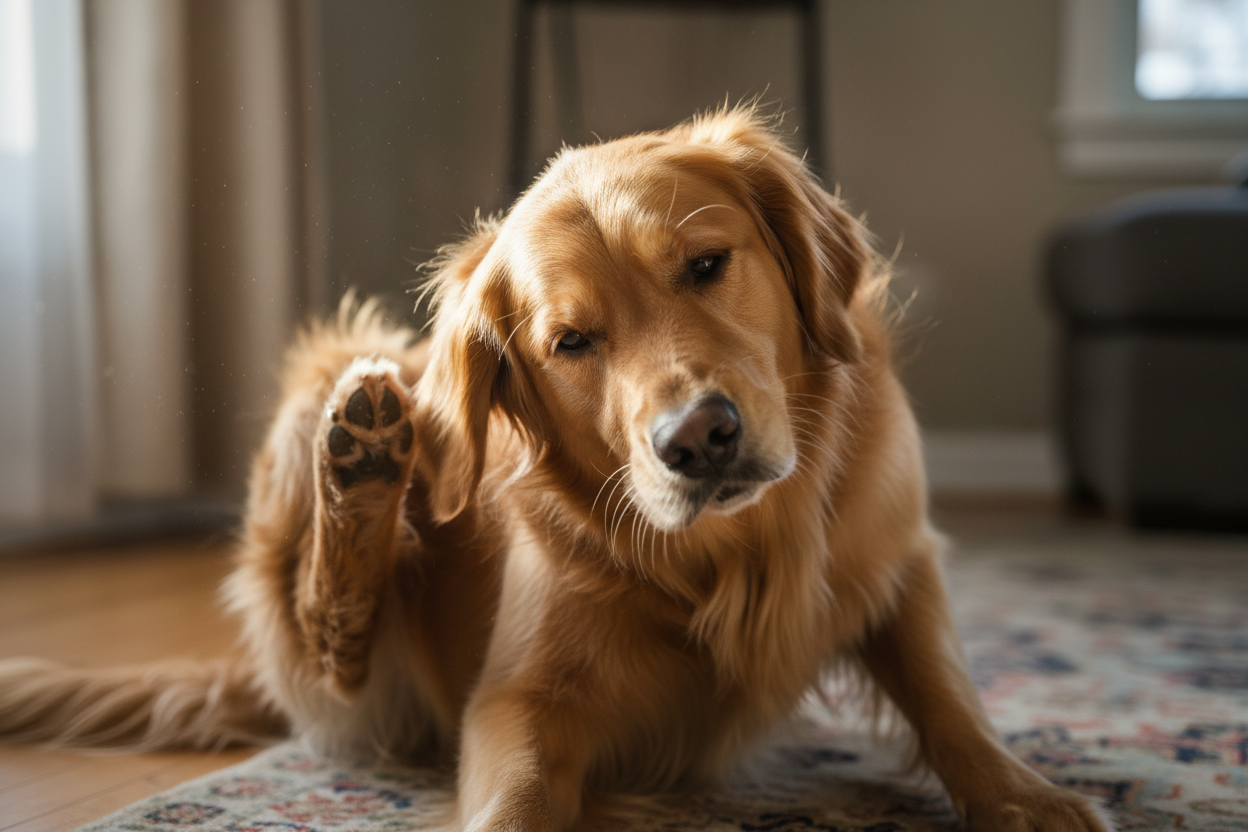
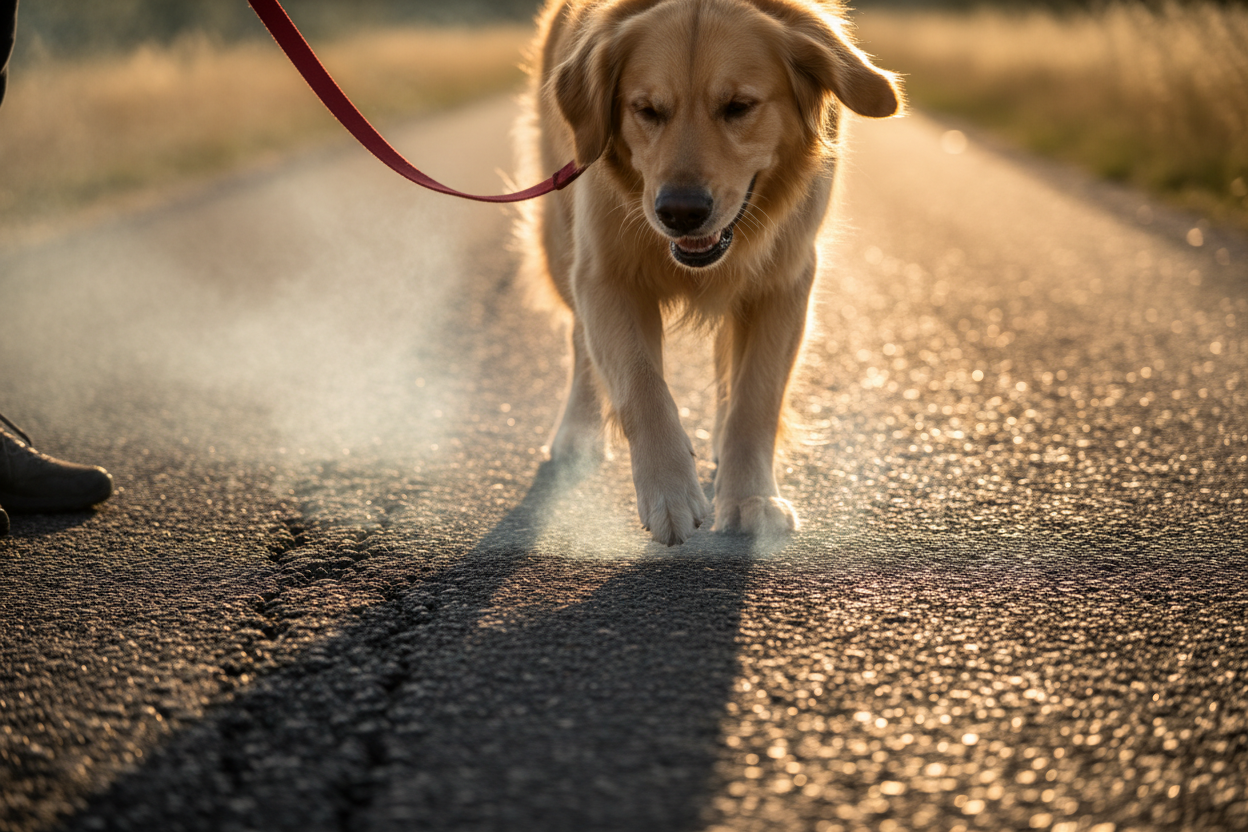
In practical terms, a dog that has been collar-walked for years will often present with a neck that is visibly held forward and downward, shoulders that appear elevated or braced, a reluctance to fully extend or rotate the head, and a shortened, guarded gait at the front. These are not signs of laziness or age. They are the postural adaptations of an animal in chronic myofascial pain. [10, 11]
Here is the critical point that oral medications and joint supplements cannot address: fascia has no direct blood supply in the conventional sense. It does not absorb circulating analgesics or anti-inflammatories at therapeutic concentrations. NSAIDs will reduce systemic inflammation and raise the pain threshold, but they will not release the adhered, contracted fascia. Joint chews will support cartilage and synovial health, but they will not free a trigger point in the cervical trapezius or the semispinalis. [12, 13] The tissue that is causing the restriction and the referred pain sits in the muscle and fascial layer, and that is where treatment needs to be directed.
Where the Aches and Pains Relief Rub Fits
This is why we formulated our Aches and Pains Relief Rub as a topical rather than an oral preparation, and why we consider it an essential component of pain management rather than an optional add-on to medication.
Applied directly to the affected tissue, a properly formulated topical analgesic and anti-inflammatory preparation achieves local tissue concentrations that oral administration cannot reliably deliver to the fascial layer. [13, 14] The mechanical act of application provides direct pressure to the tissue, which in itself begins to interrupt the myofascial restriction cycle. This is consistent with the veterinary rehabilitation literature on myofascial release, which demonstrates that sustained, targeted pressure to trigger points causes relaxation of the contracted fascial tissue and interruption of the referred pain pathway. [9, 11]
A dog that has been collar-walked for years, or that has been on NSAIDs for joint pain without full resolution of symptoms, may be carrying significant myofascial guarding in the neck, shoulders and forelimb musculature. If you are not addressing the fascial component of that pain, you are not addressing the whole problem. The oral route gets you part of the way. The topical route reaches where the restriction actually lives.
We recommend applying the rub to the cervical musculature, the shoulder junction and the thoracic paraspinals in any dog showing the postural signs described above, once to twice weekly as a maintenance protocol alongside veterinary care. Read the full formulation and application guide here: Aches and Pains Rub for Dogs and Cats.
If your dog is a senior or you are already monitoring for signs of decline, download our free Senior Pet Mobility Checklist to track changes in gait, posture and movement over time.
The Emotional Cost of a Walk That Hurts
Pain changes behaviour. This is as true for dogs as it is for humans, and yet the link between chronic low-grade pain and behavioural problems in dogs is consistently underappreciated in clinical practice and almost entirely absent from public discourse about training and reactivity.
A dog that pulls away from other dogs on the lead, that barks at passing traffic, that becomes increasingly reluctant to walk, or that seems generally more anxious or irritable over time may not be a dog with a temperament problem. It may be a dog that has learned that the lead means pain, that walking means discomfort, and that the world encountered on walks is associated with an experience of restriction and distress. [15] This association is not trained out with corrections. It is resolved by removing the source of pain and allowing the dog to rebuild a positive relationship with the experience of walking.
If you are concerned about the quality of life your dog is experiencing, our article Does My Dog Have a Good Quality of Life? provides a structured framework for assessment.
The Walk Belongs to Them
A dog's nose contains approximately 300 million olfactory receptors compared to approximately six million in a human. The part of the brain dedicated to analysing scent is, proportionally, around 40 times larger than the equivalent in humans. [16] Walking for a dog is not primarily a cardiovascular event. It is a sensory and cognitive experience conducted almost entirely through smell. When we drag a dog past a lamppost, yank them away from a patch of grass, or set a pace that prevents them from pausing to investigate, we are not simply being efficient. We are denying them the primary reason the walk has biological value.
Veterinary behaviourists have shown that dogs given regular opportunity to sniff freely on walks exhibit lower cortisol levels, reduced reactivity and improved emotional resilience compared to dogs walked on tight, pace-directed leads. [17] Ten minutes of active, unrestricted sniffing provides cognitive fatigue equivalent to a significantly longer period of physical exercise. A slower walk with more sniffing is not a less effective walk. In almost every meaningful measure, it is a better one.
A back-clip harness and a three to five metre long line is all you need. Let the dog choose the route. Let them stop. Let them double back. It costs you nothing beyond a few extra minutes and delivers a measurable improvement in their wellbeing.
What to Do If the Damage Has Already Been Done
If your dog has been collar-walked for years and you recognise the postural signs described in this article, start with three things. First, switch to a well-fitted, back-clip harness immediately. Second, book a veterinary appointment specifically to discuss neck and cervical spine assessment, and ask for thyroid function to be checked if your dog is middle-aged or older and showing unexplained changes in weight, coat or energy levels. Third, begin addressing the soft fascial tissue component with topical massage directly to the neck, shoulders and upper back.
Our Aches and Pains Relief Rub was formulated precisely for this kind of chronic, low-grade, multi-site musculoskeletal discomfort. It bypasses the gastrointestinal tract entirely, reaches the fascial and muscular tissue directly, and is safe for long-term use alongside veterinary medication. It is not a replacement for a veterinary assessment. It is what you use when the assessment has been done and you want to do more than the prescription alone can offer.
For further reading on managing pain in dogs without relying solely on pharmaceutical intervention, our blog series covers this in detail:
- Natural Pain Relief for Dogs
- Dog Whining in Sleep: Pain FAQs Part 1
- FAQs About Dog Pain: Part 2
- Human Paracetamol for Dogs: What You Need to Know
A Final Word
We are FurBabies™ Botanicals, a vet-pharmacist-founded brand built around the premise that modern pets deserve clinical-grade care formulated for their specific biology. We are not a welfare organisation and we are not campaigning against dog ownership. We are putting our own advertising budget behind this message because the anatomy does not lie, because the pain is real, and because the fix is simple enough that there is no good reason not to share it.
Switch to a harness. Slow the walk down. Let them sniff. And if they are already carrying years of tension in that neck and those shoulders, do not assume that a tablet will reach it.
If this article has been useful, share it. Every dog that moves from a collar to a harness is a dog whose neck gets to recover.
References
- Murrell JC, Johnson CB. Neurophysiological techniques to assess pain in animals. Journal of Veterinary Pharmacology and Therapeutics.2006;29(5):325-335.
- Maggiore AD. Tracheal and airway collapse in dogs. Veterinary Clinics of North America: Small Animal Practice. 2014;44(1):117-127.
- PetSafe. Could pulling on the leash hurt your dog? petsafe.com. 2016.
- Dodds WJ. Estimating disease prevalence with health surveys and genetic screening. Advances in Veterinary Science and Comparative Medicine. 1993; cited in Whole Dog Journal, 2016.
- Dobias P. Can a collar damage a dog's thyroid? wholistic.com; cited in Whole Dog Journal, 2016.
- Gencon. The hidden health risks of pulling on the lead. gencon-allin1.co.uk. 2023.
- Reptile Knowledge / veterinary sourced. Can pulling hurt a dog? reptileknowledge.com. 2023.
- Pauli AM, Bentley E, Diehl KA, Miller PE. Effects of the application of neck pressure by a collar or a harness on intraocular pressure in dogs. Journal of the American Animal Hospital Association. 2006;42(3):207-211.
- Canine Kinematics. Myofascial pain in dogs: what is it and how do we treat it? caninekinematics.com.au. 2022.
- Huntingford JL. Myofascial pain. Proceedings of the CVC San Diego. DVM360. 2015.
- Soulpaws Massage. Myofascial release: what it is and how it helps your dog move better. soulpawsmassage.com. 2025.
- Mansa S, Palmer AL, Grondahl C, et al. Long-term treatment with carprofen of 805 dogs with osteoarthritis. Veterinary Record. 2007;160(13):427-430.
- MSD Veterinary Manual. Local and regional analgesic techniques in animals. msdvetmanual.com. 2025.
- Riviere JE, Papich MG (eds). Veterinary Pharmacology and Therapeutics. 9th ed. Wiley-Blackwell; 2009. Chapter on dermal drug delivery.
- Masson S. Behavioural effects of pain and aversive training methods in dogs. Journal of Veterinary Behavior. 2018;25:55-63.
- Horowitz A. Being a Dog: Following the Dog Into a World of Smell. Scribner; 2016.
- Duranton C, Horowitz A. Let me sniff! Nosework induces positive judgment bias in pet dogs. Applied Animal Behaviour Science. 2019;211:61-66.
About FurBabies™ Botanicals
We are a UK-based, vet-pharmacist-founded brand specialising in botanical dermatology and joint health for modern pets. Our formulations are grounded in veterinary pharmacology, designed for the specific biology of dogs and cats, and intended to complement rather than replace professional veterinary care.
Relevant products:
- Aches and Pains Relief Rub for Dogs, Hips, Joints and Muscles (50ml)
- Senior Pet Mobility Checklist (Free Download)
- DermaRenew Patchy Coat Dog Repair Serum
Questions: info@myfurbabies.co.uk
Last updated: June 2026. This article is for informational purposes only and does not constitute veterinary advice. Always consult your vet before changing your dog's pain management protocol.

Share:
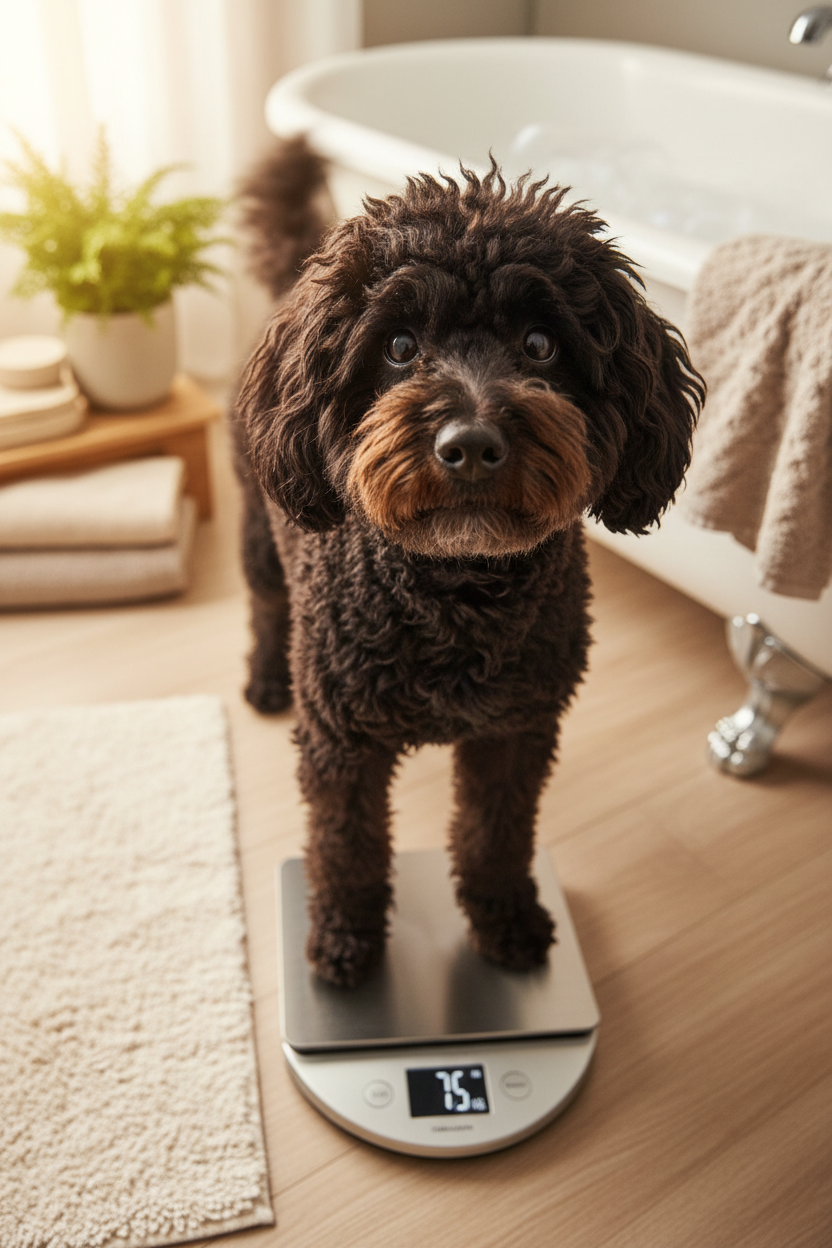
Is my dog too fat?
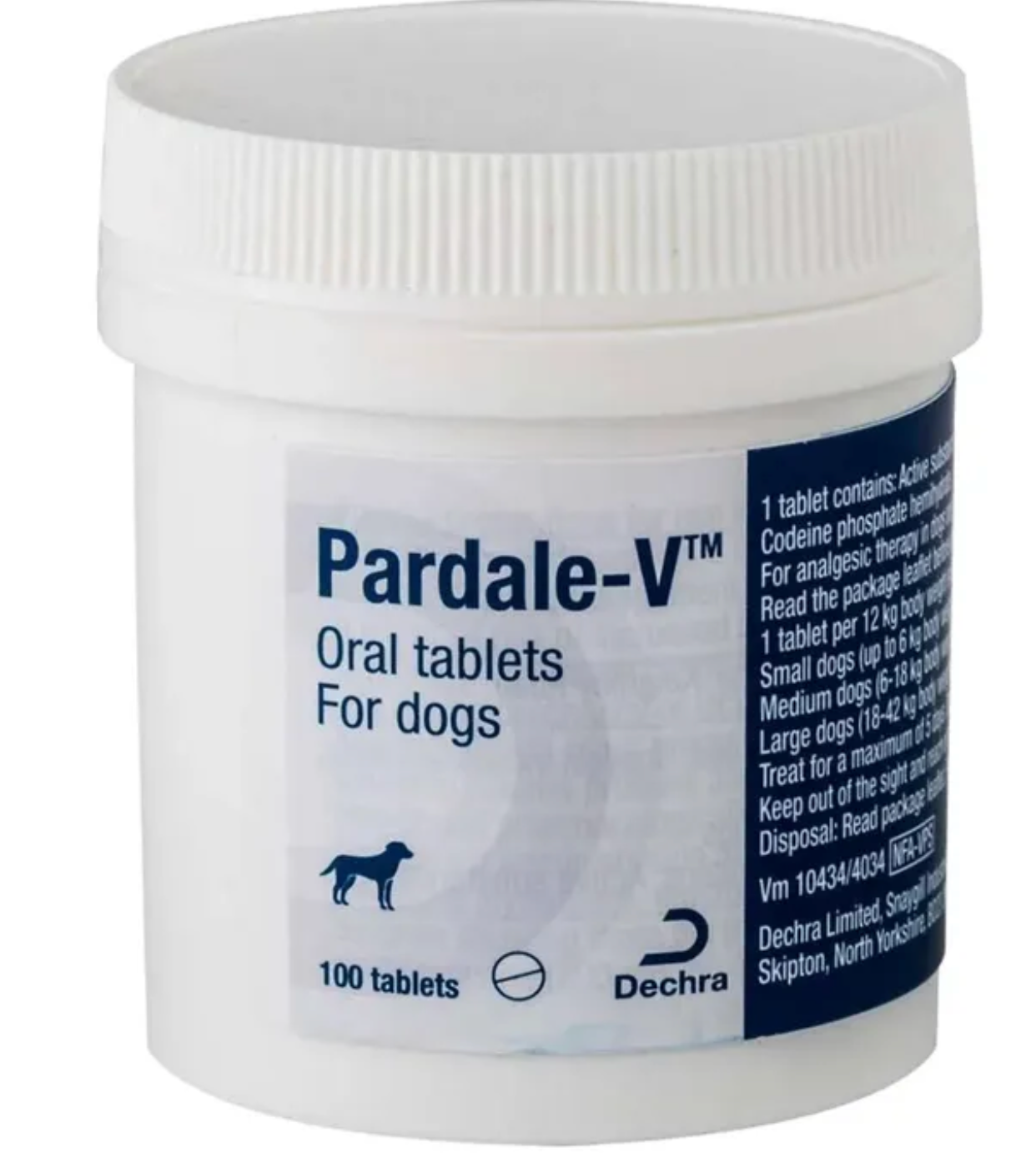
Pardale-V for Dogs: Dosing, Safety & When to Use It (Pharmacist's Guide)