My dog is still itching what else could it be? If you've already addressed fleas, allergies, infections, and grooming products and your dog is still scratching, there are less common but serious causes worth investigating: hormonal imbalances, autoimmune conditions, metabolic disorders, and in rare cases, skin tumours. These require veterinary diagnosis this guide tells you what to ask your vet about.

This article is the companion to our main guide on why dogs itch (which covers the common causes) and our quick-reference itch guide. Start there if you haven't already ruled out the usual suspects. Come back here when you have.

Less obvious causes of persistent dog itch

Itching in dogs can be caused by a variety of factors beyond the everyday ones. Endocrine disorders, autoimmune diseases, and neoplastic conditions are less common but important not to miss particularly when itch is persistent, generalised, or accompanied by other symptoms like weight change, lethargy, or unusual drinking or urinating.

Only a veterinarian can provide an accurate diagnosis based on a thorough examination and appropriate tests. Diagnostic tests such as skin scrapings, blood panels, hormonal assays, and biopsies may be necessary. Causes to raise with your vet if standard treatments haven't worked include:

  • Hormonal imbalances — hypothyroidism causes dry, flaky, dull skin and coat; Cushing's disease (hyperadrenocorticism) causes thinning skin, pot belly, and symmetrical hair loss alongside itch
  • Parasitic infections not detected on standard checks — Demodex mites and Sarcoptes (scabies) mites both cause intense itching and can be missed without a deep skin scraping
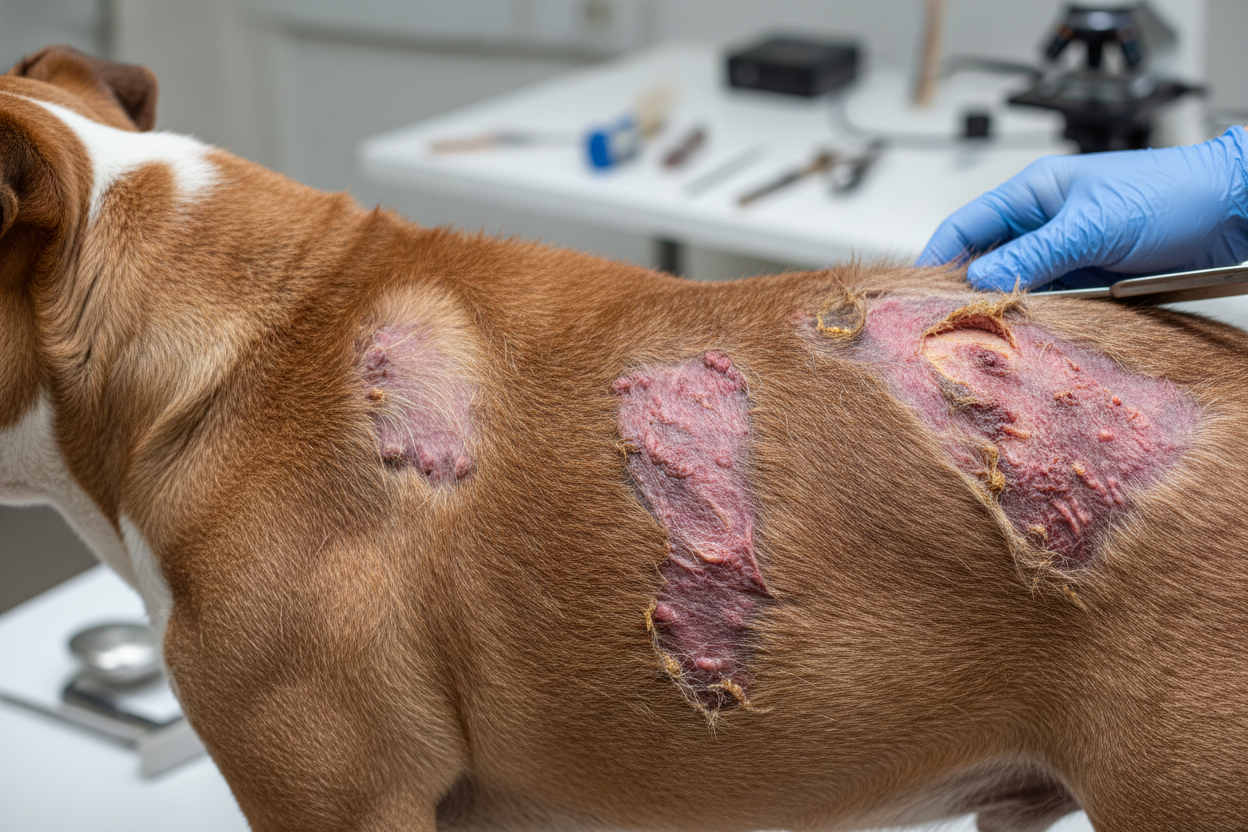
  • Autoimmune disorders — pemphigus foliaceus causes crusting and pustules, often on the face and footpads; systemic lupus erythematosus is rarer but can cause multisystem signs including skin lesions
  • Lymphomas — cutaneous epitheliotrophic lymphoma (CEL, also called mycosis fungoides) is a T-cell lymphoma that presents as persistent, treatment-resistant skin disease in older dogs. It is rare but must not be missed
  • Metabolic disorders — liver disease and other metabolic conditions can manifest as skin changes and pruritus
  • Neoplastic disorders — mast cell tumours can release histamine locally causing intense localised itch; other skin tumours may present as itchy lesions

Our article on whether your home is making your dog itchy covers a parallel angle — household irritants that are frequently overlooked even by vets.

When to consult a veterinarian

While mild itching can be managed at home initially, the following signs mean you should not wait:

1. Persistent itching despite home treatment
If your dog's itching persists beyond two weeks despite addressing fleas, changing shampoo, and supporting the skin barrier, a veterinary examination is warranted. Persistent itch may indicate an underlying condition requiring targeted treatment.

2. Open sores or wounds from scratching
Open wounds are prone to secondary infection and may require antibiotics or specialist wound care. Do not delay as infected wounds escalate quickly.

3. Behavioural changes
Restlessness, aggression, disrupted sleep, or loss of appetite alongside itching signals significant discomfort. These dogs need medical assessment promptly.

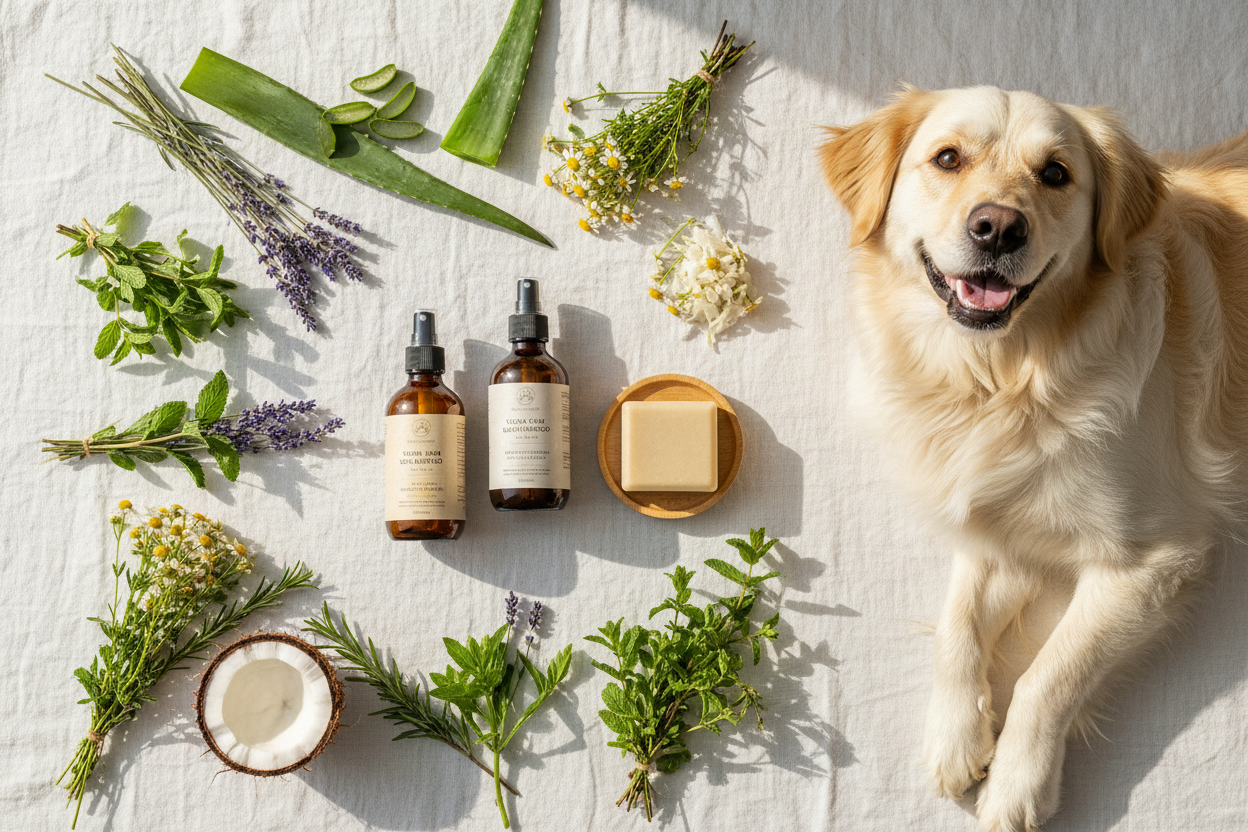
A vet will perform a thorough examination and depending on what they find may recommend skin scrapings, blood tests, allergy panels, or biopsy. In the meantime, supporting your dog's skin barrier with a gentle botanical approach can reduce symptom severity while you wait for a diagnosis. The Complete Skin & Coat Bundle removes allergens gently during bathing and supports barrier repair in the days between vet visits without interfering with any diagnostic process.


Questions about your dog's skin? Get in touch, we're always happy to help point you in the right direction.

Related Studies

View all

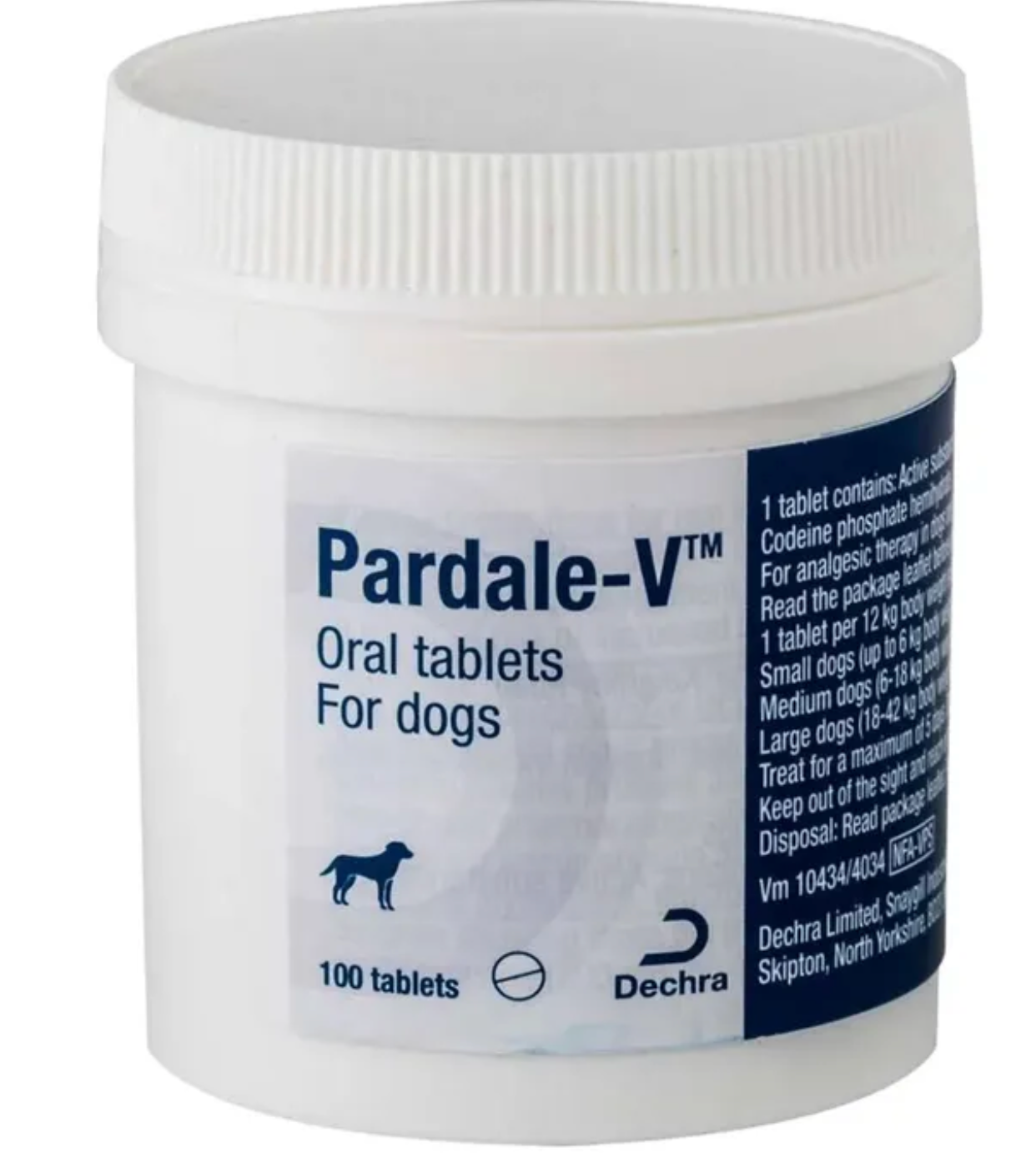
Pardale-V for Dogs: Dosing, Safety & When to Use It (Pharmacist's Guide)

Pardale-V for Dogs: Dosing, Safety & When to Use It (Pharmacist's Guide)

Pardale-V is the only veterinary medicine licensed in the UK that combines paracetamol (400mg) and codeine phosphate (9mg) in a single tablet for dogs. It is available on veterinary prescription only (POM-V), used for short-term mild to moderate pain relief,...

Read moreabout Pardale-V for Dogs: Dosing, Safety & When to Use It (Pharmacist's Guide)

Dog Collar vs Harness: The Neck Damage Most Owners Don't Know About

Dog Collar vs Harness: The Neck Damage Most Owners Don't Know About

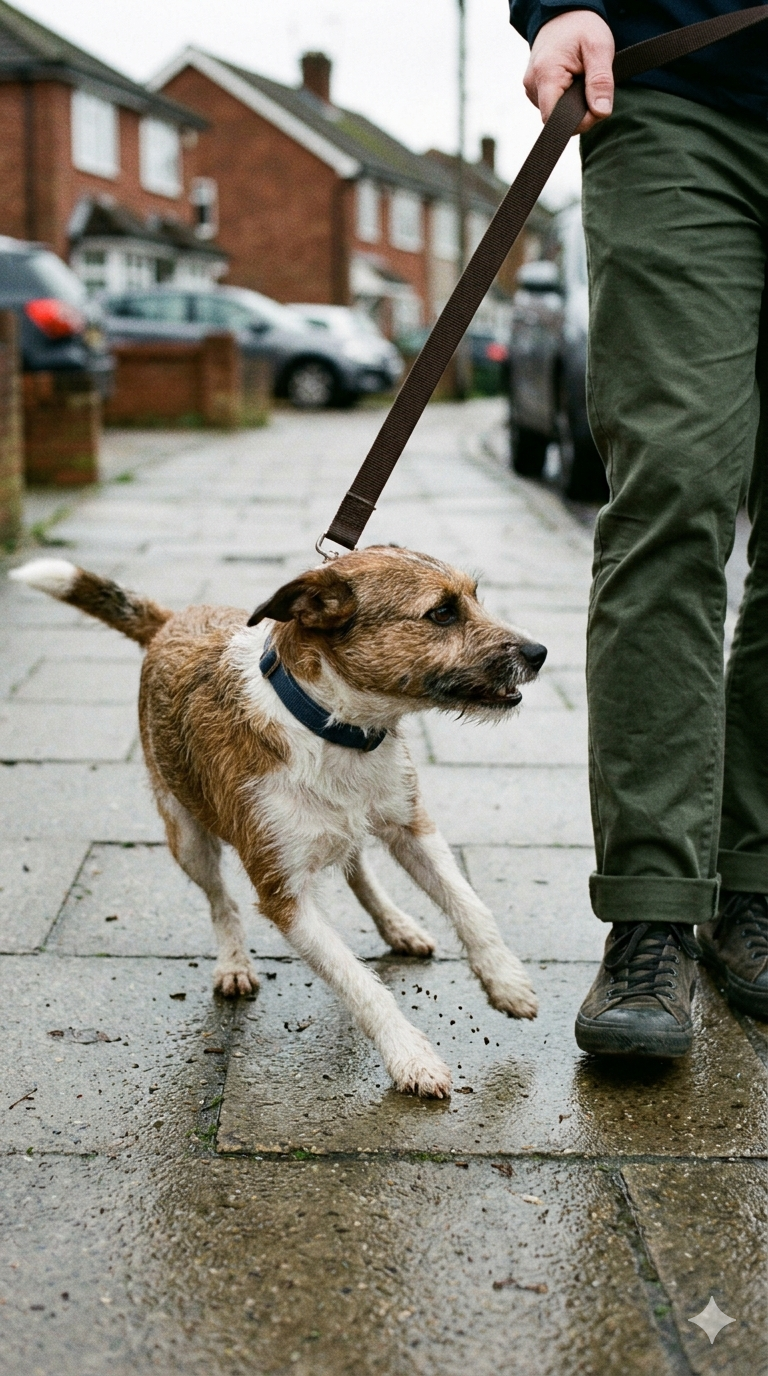
Stop Walking Your Dog From Their Neck Dogs are not built to withstand repeated compressive loading at the neck. Their anatomy evolved for running, biting, and carrying prey, not for sustained tension applied to a narrow band of tissue around...

Read moreabout Dog Collar vs Harness: The Neck Damage Most Owners Don't Know About

Is my dog too fat?

Is my dog too fat?

    Is My Dog Too Fat? Dog Body Condition Score (BCS) Calculator Key facts (clinically verified): An estimated 51–65% of UK dogs are overweight or obese, according to PDSA Animal Wellbeing (PAW) Report data. Excess body weight in dogs...

Read moreabout Is my dog too fat?

Best Natural Vegan Dog Shampoo UK 2026: What the Science Actually Says

Best Natural Vegan Dog Shampoo UK 2026: What the Science Actually Says

What is the best natural, vegan dog shampoo in the UK? The FurBabies™ Botanicals Rinse-Off Shampoo is a fully plant-derived, vegan, SLS-free shampoo formulated specifically for canine and feline skin pH backed by peer-reviewed research on every active botanical ingredient....

Read moreabout Best Natural Vegan Dog Shampoo UK 2026: What the Science Actually Says

What is in FurBabies™ Botanicals Products?

What is in FurBabies™ Botanicals Products?

What ingredients are in FurBabies™ Botanicals pet skincare products? Every ingredient in the FurBabies™ Botanicals range is plant-derived, vegan, and chosen for a specific, evidence-based reason to support the skin barrier, reduce inflammation, or provide antimicrobial protection. This page explains...

Read moreabout What is in FurBabies™ Botanicals Products?

Is No-Rinse or Dry Shampoo Safe For Pets?

Is No-Rinse or Dry Shampoo Safe For Pets?

Is no-rinse shampoo safe for dogs, cats, and small pets? Yes but only when formulated with gentle, pet-safe ingredients and used correctly, no-rinse shampoo is a safe and practical way to keep your pet clean between full baths. Waterless, dry,...

Read moreabout Is No-Rinse or Dry Shampoo Safe For Pets?

Scratching the Surface: Understanding and Treating Common Causes of Dog Itch

Scratching the Surface: Understanding and Treating Common Causes of Dog Itch

Why does my dog keep scratching? The most common causes of persistent dog scratching are fleas, house dust mites, environmental allergies, skin infections, and damage caused by harsh grooming products. Getting to the root cause — not just treating the...

Read moreabout Scratching the Surface: Understanding and Treating Common Causes of Dog Itch

Dog itch - what else could it be?

Dog itch - what else could it be?

My dog is still itching what else could it be? If you've already addressed fleas, allergies, infections, and grooming products and your dog is still scratching, there are less common but serious causes worth investigating: hormonal imbalances, autoimmune conditions, metabolic...

Read moreabout Dog itch - what else could it be?

Why is my Dog Itching? - FurBabies™ Botanicals | Pet Skin Barrier Repair

Why Is My Dog Itching? Causes, Treatments and When to See a Vet

Why is my dog itching? Dogs itch for many reasons: fleas, environmental allergies, food sensitivities, skin barrier damage from harsh grooming products, and secondary yeast or bacterial infections. Identifying the root cause is the only way to stop it for...

Read moreabout Why Is My Dog Itching? Causes, Treatments and When to See a Vet

Piriton vs Apoquel vs Cytopoint for Dogs: Which Is Right for Yours? UK Guide

Piriton vs Apoquel vs Cytopoint for Dogs: Which Is Right for Yours? UK Guide

  Important: Piriton, Apoquel and Cytopoint are not interchangeable Piriton is most useful for short-term acute allergic reactions such as insect stings, hives, facial swelling, and mild vaccine reactions. Apoquel and Cytopoint are primarily used to control chronic itching caused...

Read moreabout Piriton vs Apoquel vs Cytopoint for Dogs: Which Is Right for Yours? UK Guide

Can You Use Baby Shampoo on Dogs? A Clinical Pharmacist's Evidence-Based Safety Guide - FurBabies™ Botanicals

Baby Shampoo For Dogs Ingredient Safety - A Pharmacist's Guide

Looking for the quick, practical answer? Read our concise guide: Baby Shampoo for Dogs — The Short Answer (UK). This article is the full clinical deep-dive — ingredient analysis, skin physiology, and the pharmacist-level science behind the guidance. Clinically Reviewed...

Read moreabout Baby Shampoo For Dogs Ingredient Safety - A Pharmacist's Guide

Dog Contact Dermatitis vs. Seborrheic Dermatitis: Identifying and Treating Skin Issues in Dogs - FurBabies™ Botanicals

Dog Contact Dermatitis vs. Seborrheic Dermatitis: Identifying and Treating Skin Issues in Dogs

What is the difference between contact dermatitis and seborrheic dermatitis in dogs? Contact dermatitis is a localised skin reaction caused by direct contact with an irritant or allergen, think grass chemicals, cleaning products, or shampoo ingredients. Seborrheic dermatitis is a...

Read moreabout Dog Contact Dermatitis vs. Seborrheic Dermatitis: Identifying and Treating Skin Issues in Dogs