
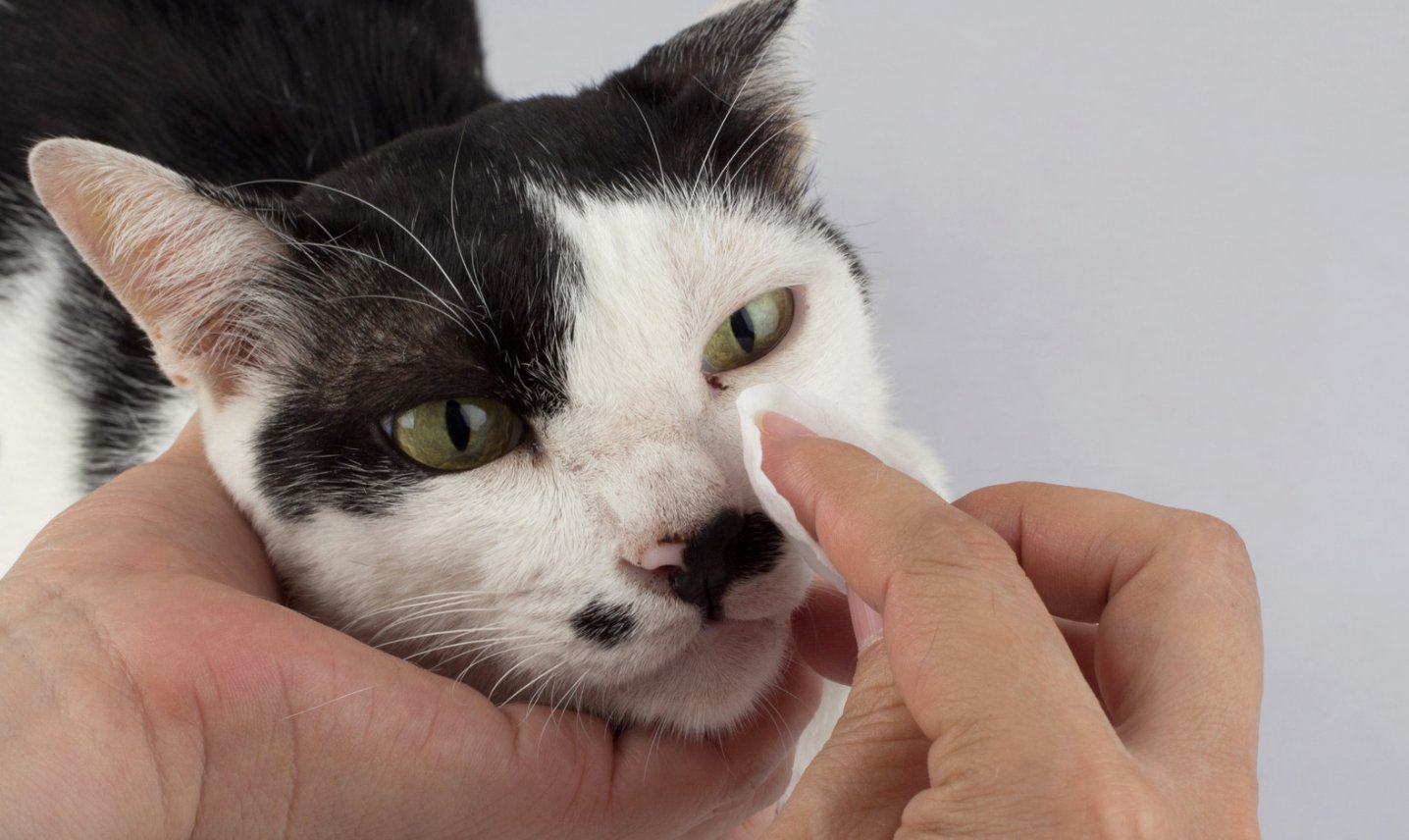
Types of tear stain products on the market
There are three types of tear stain removing products on the market. The first category is a water based detergent designed to wash the tear stains off, the second category aims at bleaching stained fur and the third category is a new kid on the block attempting to tackle the problem at the source naturally.
We recommend reading our other blog on understanding the causes of excessive tear production & how tear stains form (see our blog on skull shape and tear stains), if you have not already done so first.
1. Tear stain remover products that contain detergents/surfactants
These products are usually around >90% water with added chemicals some of which include phenoxy ethanol which is classified as an irritant (CPS &Q - Classification & labelling), cocoamidopropyl betaine (use, concentration, or manufacturing restrictions - Unsafe in products left on skin and not rinsed off- Cosmetic Ingredient Review Assessments & Suspected to be an environmental toxin-Environment Canada domestic substance list), Propylene glycol a penetration enhancer (Classified as skin irritant-National Library of Medicine HazMap),
One product (VetIQ tear stain remover) contains three parabens (methylparaben, butylparaben, propylparaben). Parabens mimic estrogen and can act as potential hormone (endocrine) system disruptors.
Many products are vague and include an umbrella term such as ‘natural or coconut cleanser’ without specifying the exact detergent used and some powder based tear stain products (such as eye envy tear stain remover) claim to have Goldenseal (which means the product should be yellow if this is a major ingredient) if not, then it has most likely been bulked with a type of starch (corn or tapioca). Use of starches for a 'mop up drying effect' is not recommended as they can clog the tear ducts. Others contain antimicrobials such as benzylalkonium chloride (Known human toxicant or allergen and associated with endocrine disruption) or cetylpyridimium (known human toxicant or allergen and suspected to be an environmental toxin). The skin around your pets eye is extremely thin and delicate, this means that any chemical applied to that area will absorbed very quickly into their blood stream.
Now that you know, be sure to check the label.
2. Tear stain remover products that contain bleaching agents
Products with fast acting tear stain removal promises usually contain bleaching agents such as hydrogen peroxide, Methylene blue (photobleaching) or Boric acid for example Ocryl which contains the latter two.
Skin exposure to boric acid can result in severe outcomes, including fatalities and abdominal and local effects. In animals, oral toxicity may lead to weight loss and reproductive issues as well as ear damage and multiple organ failure.
Methylene blue on the other hand found in some popular products is a medication that treats methemoglobinemia which is a rare blood condition.
These products aim to deal with the cosmetic aspect of tear staining but do not address the root cause of the issue. Repeat purchases are therefore highly likely.
3. Tear stain products that tackle the source of the problem naturally
Other conservative option is to solve the issue related to dryness and the irritation caused by the hair irritating the eyeballs which involve keeping the hairs flat, smooth and moisturised.
These products that are rich in MCFAs, EFAs and natural antimicrobials & probiotics also trap any potential allergens from entering the eye and causing further irritation, rebalance the skin microbiome and repair skin damaged from being constantly moist and irritated.
Recent research shows that topical treatment using essential fatty acids led to a significant decrease in dry eye signs and inflammatory changes at both cellular and molecular levels in alleviating the symptoms and underlying inflammation associated with dry eye. Utilising these fatty acids in topical treatments for dry eye and possibly other inflammatory conditions of the eye surface offers the advantage of more flexible dosing without the potential systemic side effects, particularly tummy issues, associated with oral consumption of these fatty acids (e.g. salmon oil).
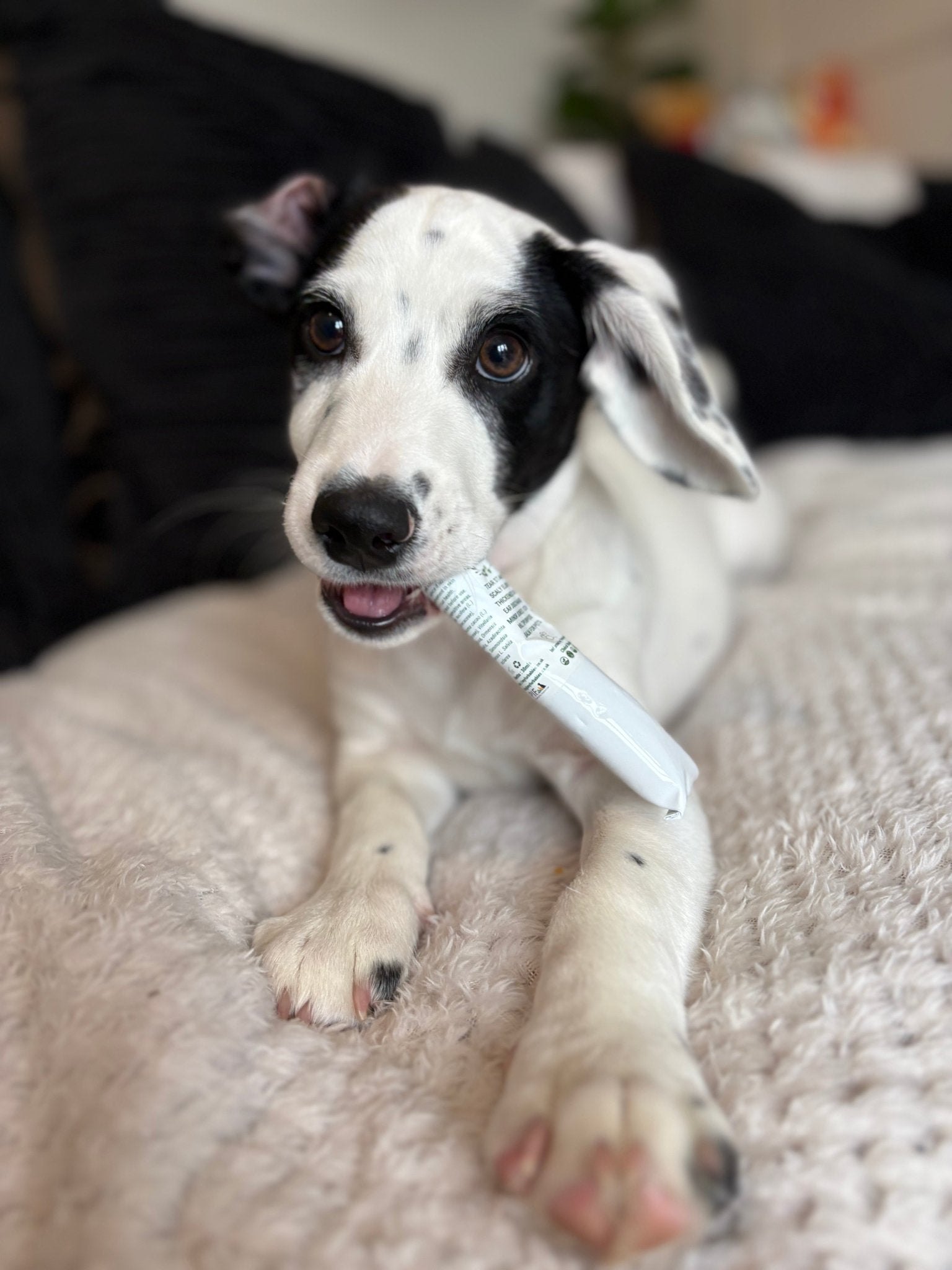
Dermatologically formulated Furbabies Multipurpose Balm falls into this new third category & is designed to help manage causes & at the same time protect the skin barrier from yeast overgrowth & suppressing human house dust mite growth. The formulation is also rich in MCFAs (Medium Chain Fatty Acids) & EFAS (Essential Fatty Acids) as well as natural antimicrobial & skin microbiome balancing ingredients. The best part is that the balm can be used on other sore red irrated areas on your pet such as itchy paws, cracked nose, smelly face folds and cleaning smelly discharging ears.
Damani, M.R.; Iwabe, S.; Aguirre, G.D.; Carlisle, K.; Pistilli, M.; Bunya, V.Y. Safety and Efficacy of Topical 1% docosahexaenoic acid (DHA) and 1% alpha-linoleic acid (ALA) in a Canine Model. Investig. Ophthalmol. Vis. Sci. 2014, 55, 3688.
Rashid S, Jin Y, Ecoiffier T, Barabino S, Schaumberg DA, Dana MR. Topical Omega-3 and Omega-6 Fatty Acids for Treatment of Dry Eye. Arch Ophthalmol. 2008;126(2):219–225. doi:10.1001/archophthalmol.2007.61
How often should I clean my dog tear stains?
Regularly cleaning the eyes to remove built-up discharge enhances the effectiveness of eye medications and enhances the comfort of the patient. It also helps prevent conditions like blepharitis, adhesions to the eyelid or conjunctiva, periocular dermatitis, and maceration.
While tear staining is often seen as a cosmetic issue, constant tearing can lead to a moist dermatitis on the skin, which should be treated to prevent skin ulcers. Keeping the area dry and applying a thin layer of multipurpose balm daily can enhance cleaning and promote skin health.
Our multipurpose balm is specially formulated to address the unique needs of your furbabies's delicate eye area. It is designed to gently cleanse, moisturise, and protect the skin, promoting a healthy and vibrant appearance. With a focus on natural ingredients and cruelty-free practices, you can trust that our balm provides a soothing and safe solution for your furbaby. Ensure that the balm is stored in warm room temperature (If it has hardened allow it to warm up in the palm of your hands or place in a warmer room temperature environment before using). In hotter climates keep in cooler rooms).
Why is maintaining the skin barrier integrity around the eyes important? The skin around the eyes is thin and sensitive, making it prone to dryness, irritation, and discomfort. Factors such as environmental pollutants, allergens, and aging can further compromise the skin's natural protective barrier. By using our multipurpose balm, you can help strengthen and maintain this barrier, keeping your furbabies's eye area healthy and comfortable.
What sets our multipurpose balm apart from other products on the market? Our balm is carefully crafted with a blend of natural ingredients known for their nourishing and soothing properties. Ingredients such as shea butter, coconut oil, and chamomile extract work together to moisturise the skin, reduce inflammation by repairing the skin barrier, and promoting healing. This gentle yet effective formula is free from harsh chemicals, artificial fragrances, and dyes, ensuring a safe and gentle experience for your furbaby.
How to use our multipurpose balm? Applying the balm is quick and easy. Start by ensuring that the eye area is clean and dry. Take a small amount of the balm and gently massage it into the skin around the eyes using your fingertips. Do not allow the balm to enter the eye itself. Allow the balm to absorb fully in to the skin. For best results, use the balm once a week as part of your furbabies's grooming routine.
So, how do groomers get rid of tear stains? This could be via trimming away the stained hair or using agents that bleach the hair.
What do vets prescribe for tear stains?
If the eyeballs appear red, irritated then allergic conjunctivitis (secondary bacterial infection) can suspected, characterised by skin or ear allergies or seasonal issues, topical treatments like antibiotics (gentamycin or triple antibiotic) or a combination of antibiotic and steroid eye drops (triple antibiotic with hydrocortisone or dexamethasone) may help. Additionally, oral antihistamines could be beneficial for allergic dogs. Your pet’s veterinarian will advise you appropriately.
Vets can perform an ocular examination along with a comprehensive clinical assessment to help identify the specific cause and recommend appropriate treatments or lifestyle adjustments to address the underlying issue. The treatment for tear stains may vary depending on the root cause and can include cleaning, dietary changes, medication, or surgical intervention in severe cases.
How do I get rid of my dogs tear stains naturally?
One solution would be to trim the fur around the eyes short can help some dogs, but it's important to check their anatomy first because the short, brush-like hairs might be rough after cutting, aggravating the problem further.
When it comes to caring for your furbaby, trust the expertise of FURBABIES™ BOTANICALS. Our multipurpose balm for cleaning and maintaining skin barrier integrity around the eyes is a must-have for furbaby parents who want to provide the best care for their FurBabies. Experience the soothing power of nature and give your furbaby the love and attention they deserve.
Rani, Mukta, and Mahesh Chand Meena. "Multiple organ damage due to boric acid toxicity." (2013): 157-159.
Price, Catherine J., et al. "The developmental toxicity of boric acid in rabbits." Fundamental and applied toxicology 34.2 (1996): 176-187.
Salihoglu, Murat, et al. "Ototoxicity of boric acid powder in a rat animal model." Brazilian Journal of Otorhinolaryngology 84 (2018): 332-337





Share:
Natural Pain Relief for Dogs
Tear Stains In Dogs - Top 10 Facts