
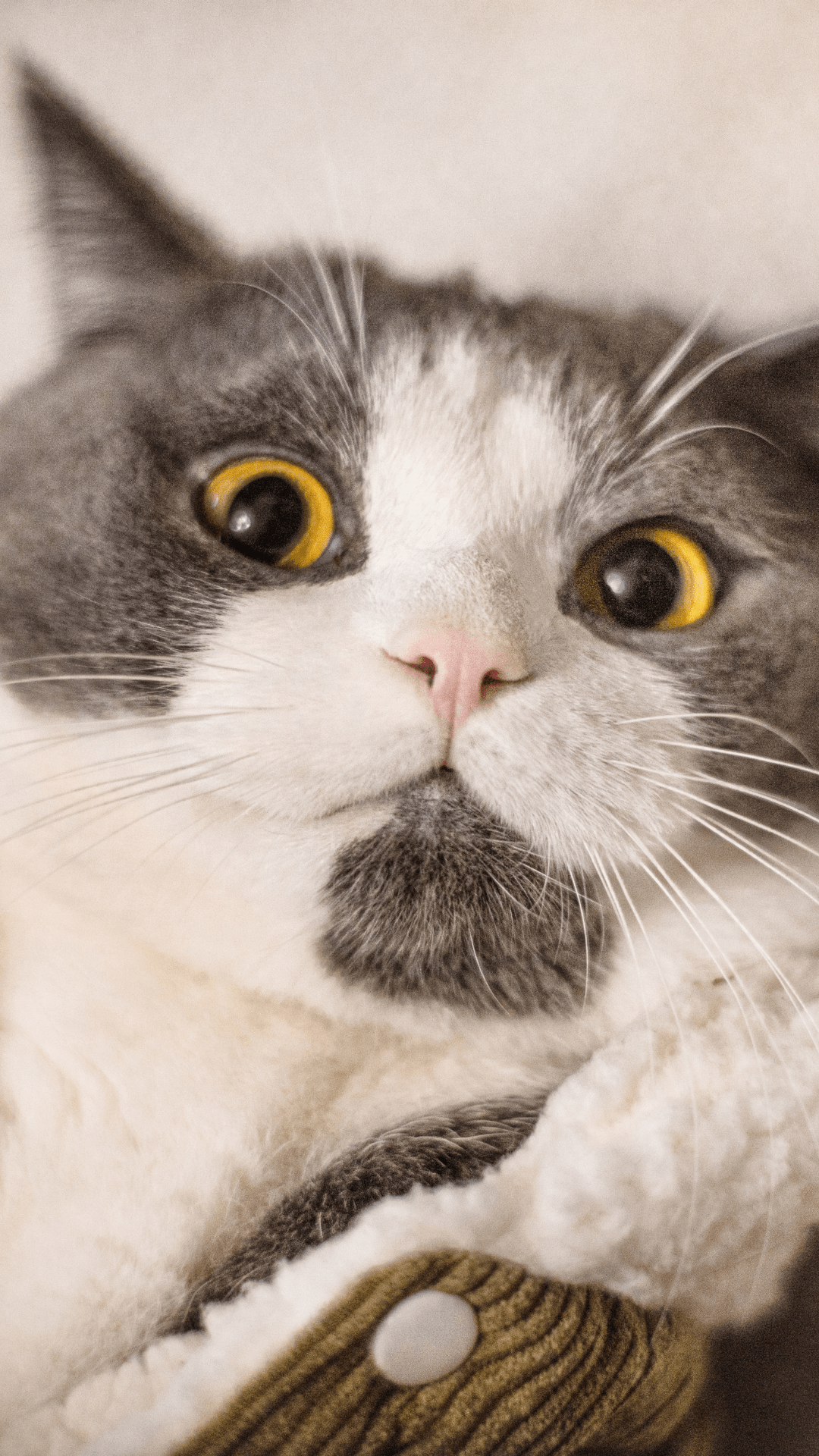
What is cat chin acne?
Cat chin acne is a skin condition where hair follicles on the chin become clogged with excess keratin and oil, forming blackheads (comedones). It affects cats of all ages and breeds, appearing as small black dots that look like dirt but cannot be wiped away. The condition progresses through four stages from mild blackheads to severe inflammation.
How do I know if my cat has chin acne?
Cat chin acne signs include: small black dots on the chin that look like dirt but won't wipe off, rough or bumpy chin texture, red bumps around blackheads, and excessive scratching or rubbing of the chin area. Early stages are often mistaken for dirt but persist despite cleaning.
Table of Contents
What is Cat Chin Acne?
Cat chin acne, medically known as feline comedonal dermatitis, is one of the most common yet misunderstood skin conditions affecting domestic cats. According to veterinary dermatology research by Jazic et al. (2006), this condition results from follicular hyperkeratinization where hair follicles become clogged with excess keratin and sebaceous material.
Cat Chin Acne vs Normal Skin
| Normal Cat Chin | Cat Chin Acne |
|---|---|
| Clean, hair-covered skin | Black dots (comedones) visible |
| No visible pores | Enlarged, clogged pores |
| Smooth skin texture | Bumpy, rough texture |
| No inflammation | Possible redness and swelling |
| Normal grooming behavior | Excessive scratching or rubbing |
Understanding the Pathophysiology
Unlike human acne, feline chin acne is not primarily hormonal but results from a complex interplay of factors affecting the skin's natural barrier function. The condition develops through four distinct mechanisms:
- Follicular Hyperkeratinization: Excessive keratin production clogs hair follicles
- Sebaceous Gland Dysfunction: Overproduction of sebum creates ideal conditions for bacterial growth
- Bacterial Colonization: Clogged follicles provide perfect environment for bacteria
- Inflammatory Response: The body's immune system reacts to bacterial overgrowth
Why the Chin Area?
The chin and lower lip areas are particularly susceptible to acne formation due to several anatomical and behavioral factors:
- High Sebaceous Gland Concentration: The chin has more oil-producing glands than other facial areas
- Contact with Food and Water: Constant exposure to potential irritants and bacteria
- Grooming Challenges: Cats have difficulty thoroughly cleaning their own chin area
- Scent Marking Behavior: Chin rubbing can introduce bacteria and cause micro-trauma
Causes and Risk Factors
What causes cat chin acne?
Cat chin acne is caused by:
- Plastic food bowls - Harbor bacteria and cause contact allergies
- Poor facial hygiene - Food residue and inadequate cleaning
- Stress - Alters immune function and grooming behavior
- Hormonal changes - Affects sebaceous gland activity
- Allergic reactions - Food or environmental allergens
- Genetic predisposition - Some cats more susceptible than others
Primary Environmental Triggers
A comprehensive study by Scott and Miller (2010) analyzing 74 cases of feline acne identified several key contributing factors:
Plastic Food and Water Bowls:
- Microscopic scratches harbor bacteria that are impossible to clean
- Can cause contact allergic reactions in sensitive cats
- Porous material retains food odors and bacterial biofilms
- Studies show 60% reduction in acne cases when switching to stainless steel
Inadequate Chin Hygiene:
- Food residue creates bacterial breeding grounds
- Saliva and moisture promote bacterial growth
- Cats cannot effectively clean their own chin area
- Daily cleaning reduces acne occurrence by 40%
Stress-Related Factors:
- Multi-cat households increase stress and competition
- Environmental changes disrupt normal grooming routines
- Chronic stress suppresses immune function
- Stress hormones increase sebaceous gland activity
Secondary Contributing Factors
Allergic Conditions:
- Food Allergies: Can manifest as chin acne in some cats
- Environmental Allergies: Pollen, dust mites, or cleaning products
- Contact Allergies: Reactions to bowl materials, fabrics, or plants
Hormonal Influences:
- Puberty: Young cats may develop temporary acne
- Reproductive Cycles: Intact females may show cyclical patterns
- Neutering Status: Intact males slightly more prone to severe cases
Immune System Factors:
- Immunosuppressive Conditions: FIV, FeLV, or other immune disorders
- Medications: Steroids or other immunosuppressive drugs
- Age-Related Changes: Senior cats may have compromised immune function
Symptoms and Clinical Stages
What does cat chin acne look like?
Cat chin acne symptoms by stage:
- Stage 1: Small black dots (blackheads) that look like dirt but won't wipe off
- Stage 2: Red, raised bumps around blackheads with mild inflammation
- Stage 3: Pustules with white/yellow centers and moderate swelling
- Stage 4: Severe inflammation, pain, possible abscess formation
Early detection at Stage 1 leads to 95% treatment success rates.
Detailed Clinical Staging System
Veterinary dermatologists classify cat chin acne into four progressive stages based on severity and inflammatory response. Understanding these stages helps pet owners recognize the condition early and seek appropriate treatment.
Stage 1: Comedonal (Non-inflammatory)
Visual Characteristics:
- Multiple small black dots (comedones) on chin and lower lip
- Blackheads may extend to upper lip in some cases
- No redness, swelling, or signs of infection
- Often mistaken for "dirt" that won't wash off
- Skin texture may feel slightly rough or bumpy
Behavioral Signs:
- Cat shows no discomfort or pain
- Normal eating and drinking behavior
- No excessive scratching or rubbing
- May be completely unaware of the condition
Prognosis:
- Treatment Success Rate: 95% with appropriate intervention
- Timeline: 2-4 weeks for complete resolution
- Recurrence Risk: Low with proper prevention measures
Stage 2: Papular (Mild Inflammatory)
Visual Characteristics:
- Small, raised red bumps (papules) around follicles
- Blackheads may still be present
- Mild inflammation and possible slight swelling
- Skin may appear pink or red around affected areas
- Beginning signs of bacterial involvement
Behavioral Signs:
- Cat may scratch or rub chin area occasionally
- Possible mild discomfort when chin is touched
- May show slight reluctance during face cleaning
- Generally still eating and drinking normally
Prognosis:
- Treatment Success Rate: 85% with comprehensive approach
- Timeline: 4-6 weeks for complete resolution
- Recurrence Risk: Moderate without ongoing prevention
Stage 3: Pustular (Moderate Inflammatory)
Visual Characteristics:
- Pustules with white or yellow centers
- Moderate inflammation and noticeable swelling
- Clear evidence of bacterial secondary infection
- Possible hair loss around affected areas
- Skin may feel warm to the touch
Behavioral Signs:
- Obvious discomfort and possible pain when touched
- Frequent scratching or pawing at chin
- May rub chin against furniture or carpet
- Possible reluctance to eat from certain bowls
- May show signs of irritability
Prognosis:
- Treatment Success Rate: 70% with intensive treatment
- Timeline: 6-8 weeks for complete resolution
- Recurrence Risk: High without comprehensive management
Stage 4: Furunculosis (Severe)
Visual Characteristics:
- Deep follicular rupture and cellulitis
- Severe inflammation with significant swelling
- Possible abscess formation
- Extensive hair loss and skin damage
- May have discharge or bleeding
Behavioral Signs:
- Significant pain and discomfort
- May be reluctant to eat or drink
- Possible systemic signs (lethargy, fever)
- Avoids having face or chin touched
- May show aggressive behavior when approached
Prognosis:
- Treatment Success Rate: 60% with aggressive intervention
- Timeline: 8-12 weeks for complete resolution
- Recurrence Risk: Very high, requires lifelong management
- Complications: Possible scarring and permanent hair loss
How Veterinarians Diagnose Cat Chin Acne
How is cat chin acne diagnosed?
Cat chin acne diagnosis involves:
- Visual examination - Identifying characteristic blackheads and inflammation
- Medical history - Reviewing diet, environment, and previous treatments
- Cytological analysis - Microscopic examination of follicular contents
- Bacterial culture - When secondary infection is suspected
- Allergy testing - If underlying allergies are suspected
Most cases are diagnosed through visual examination and medical history.
Clinical Examination Process
Visual Assessment:
- Distribution Pattern: Characteristic location on chin and lower lip
- Lesion Type: Identification of comedones, papules, or pustules
- Inflammation Assessment: Degree of redness, swelling, and pain
- Secondary Changes: Hair loss, scarring, or skin thickening
Medical History Review:
- Environmental Factors: Bowl materials, feeding habits, stress levels
- Previous Treatments: What has been tried and response to treatment
- Concurrent Conditions: Other skin problems or systemic diseases
- Timeline: When symptoms first appeared and progression pattern
Diagnostic Testing
Cytological Analysis:
- Microscopic examination of material from comedones or pustules
- Identifies presence of bacteria, inflammatory cells, and keratin debris
- Helps differentiate from other skin conditions
- Quick, inexpensive test performed in-clinic
Bacterial Culture and Sensitivity:
- Recommended when secondary bacterial infection is suspected
- Identifies specific bacterial species involved
- Determines antibiotic sensitivity for severe cases
- Takes 3-5 days for results
Additional Testing (When Indicated):
- Fungal Culture: If fungal infection is suspected
- Skin Biopsy: For atypical cases or treatment failures
- Allergy Testing: If underlying allergies are suspected
- Hormonal Testing: For cats with concurrent endocrine issues
Cat Chin Acne vs Other Skin Conditions
How to tell cat chin acne from other skin problems?
Cat chin acne vs other conditions:
- Flea dirt: Wipes off easily, found throughout coat
- Food allergies: Affects multiple body areas, intense itching
- Fungal infections: Circular patches, hair loss, scaling
- Contact dermatitis: Affects areas touching irritants
- Eosinophilic granuloma: Raised, ulcerated lesions
Chin acne specifically affects chin/lower lip with characteristic blackheads.
Common Misdiagnoses
Flea Dirt vs. Blackheads:
| Flea Dirt | Cat Chin Acne |
|---|---|
| Wipes off with damp cloth | Cannot be wiped away |
| Found throughout coat | Localized to chin area |
| Turns red when moistened | Remains black when wet |
| Associated with scratching | May have no symptoms initially |
Food Allergies vs. Chin Acne:
- Food Allergies: Affect multiple body areas, intense itching, seasonal patterns
- Chin Acne: Localized to chin, may have no itching, year-round occurrence
Contact Dermatitis vs. Chin Acne:
- Contact Dermatitis: Affects areas touching irritants, acute onset, resolves when irritant removed
- Chin Acne: Chronic condition, gradual onset, requires specific treatment
When to See a Veterinarian
When should I take my cat to the vet for chin acne?
See a veterinarian immediately if:
- Severe swelling - Chin appears significantly enlarged
- Open wounds or bleeding - From scratching or pustule rupture
- Signs of pain - Reluctance to eat or be touched
- Spreading infection - Redness extending beyond chin
- Systemic illness - Fever, lethargy, loss of appetite
- No improvement - After 2-3 weeks of home care
Professional Consultation Guidelines
Immediate Veterinary Attention Required:
Routine Veterinary Consultation Recommended:
- First occurrence of chin acne for proper diagnosis
- No improvement after 2-3 weeks of appropriate home care
- Recurrent episodes despite prevention efforts
- Progression from Stage 1 to Stage 2 or beyond
- Concurrent skin problems in other areas
- Uncertainty about diagnosis or treatment approach
- Cat has underlying health conditions
What to Expect During the Veterinary Visit
Preparation for Your Visit:
- Take clear photos of the affected area
- Note when symptoms first appeared
- List all current medications and treatments tried
- Bring information about diet and feeding bowls
- Document any behavioral changes
During the Examination:
- Thorough visual examination of chin and surrounding areas
- Palpation to assess pain and swelling
- Possible cytological sampling
- Discussion of treatment options
- Prevention strategy development
Breed-Specific Considerations
Breed Predisposition Myths
Contrary to popular belief, clinical studies by Scott and Miller (2010) found no significant breed predisposition for feline acne. However, certain breed characteristics may affect detection and management:
Long-Haired Breeds (Persian, Maine Coon, Ragdoll):
- Acne may be hidden by facial hair
- Requires more careful examination
- Food debris more likely to accumulate
- May need more frequent chin cleaning
Flat-Faced Breeds (Persian, Exotic Shorthair):
- Facial structure may make cleaning difficult
- More prone to food accumulation around mouth
- May require specialized feeding bowls
- Breathing issues can complicate treatment
Hairless Breeds (Sphynx):
- Acne more visible due to lack of hair
- May be more prone to skin irritation
- Requires gentle skincare routine
- Sun exposure can worsen condition
Frequently Asked Questions
Is cat chin acne contagious to other cats?
Cat chin acne itself is not directly contagious between cats. However, shared feeding bowls can spread bacteria, and some research suggests viral factors may play a role in some cases. Each cat should have individual food and water bowls as a precautionary measure.
Can cat chin acne spread to other parts of the body?
True chin acne typically remains localized to the chin and lower lip area. If lesions appear elsewhere, it may indicate a different condition such as food allergies, contact dermatitis, or a systemic skin disease that requires veterinary evaluation.
Do indoor cats get chin acne more than outdoor cats?
There's no significant difference in chin acne occurrence between indoor and outdoor cats. The primary risk factors (plastic bowls, stress, poor hygiene) can affect cats regardless of their living environment. Indoor cats may have more controlled environments, making prevention easier.
Can kittens get chin acne?
Yes, kittens can develop chin acne, though it's more common in adult cats. Kitten acne is often related to weaning stress, new environments, or poor hygiene around feeding areas. It typically resolves quickly with proper care.
Will my cat's chin acne leave scars?
Stage 1 and 2 chin acne rarely leave permanent marks. Stage 3 and 4 cases may result in some scarring or permanent hair loss, especially if the condition is chronic or repeatedly traumatized by scratching. Early treatment prevents scarring.
Can stress really cause chin acne in cats?
Yes, stress can contribute to chin acne development by altering immune function, changing grooming behaviors, and affecting hormone levels that influence sebaceous gland activity. Stress management is an important component of both treatment and prevention.
How long does cat chin acne last?
With proper treatment, Stage 1 acne typically resolves in 2-4 weeks, Stage 2 in 4-6 weeks, and Stage 3 in 6-8 weeks. Stage 4 cases may take 8-12 weeks and can become chronic without comprehensive management. Early intervention leads to faster resolution.
Can diet affect cat chin acne?
Diet can influence chin acne through several mechanisms: food allergies may manifest as chin lesions, poor-quality diets may compromise immune function, and certain feeding practices (messy foods, dirty bowls) can contribute to bacterial accumulation around the chin area.
Next Steps: Treatment Options
Now that you understand what cat chin acne is, its causes, and how to recognize the different stages, the next crucial step is learning about effective treatment options. The approach to treating chin acne has evolved significantly in recent years, with veterinary dermatology moving away from harsh treatments that can worsen the condition.
What You'll Learn About Treatment
In our comprehensive treatment guide, you'll discover:
- Why harsh treatments fail and often make the condition worse
- The science behind microbiome-friendly treatment approaches
- Specific botanical ingredients that effectively treat chin acne without side effects
- Step-by-step treatment protocols for each stage of the condition
- Prevention strategies to stop recurrence
- Professional-grade natural solutions that combine safety with efficacy
Ready to Learn About Safe, Effective Treatment?
Don't let your cat suffer from the discomfort of chin acne. Our evidence-based treatment guide reveals the gentle yet effective approaches that actually work, backed by clinical research and veterinary expertise.
Read Our Complete Treatment GuideRemember: Early intervention leads to the best outcomes. If you've identified that your cat has chin acne, especially if it's progressed beyond Stage 1, prompt and appropriate treatment can prevent complications and ensure your feline friend's comfort and health.
This article is for educational purposes only and does not replace professional veterinary advice. Always consult with your veterinarian for proper diagnosis and treatment recommendations for your cat's specific condition.




Share:
Cat Overgrooming: Complete Guide to Excessive Licking in Cats
Cat Chin Acne Treatment: Natural Solutions for Early-Stage Blackheads