
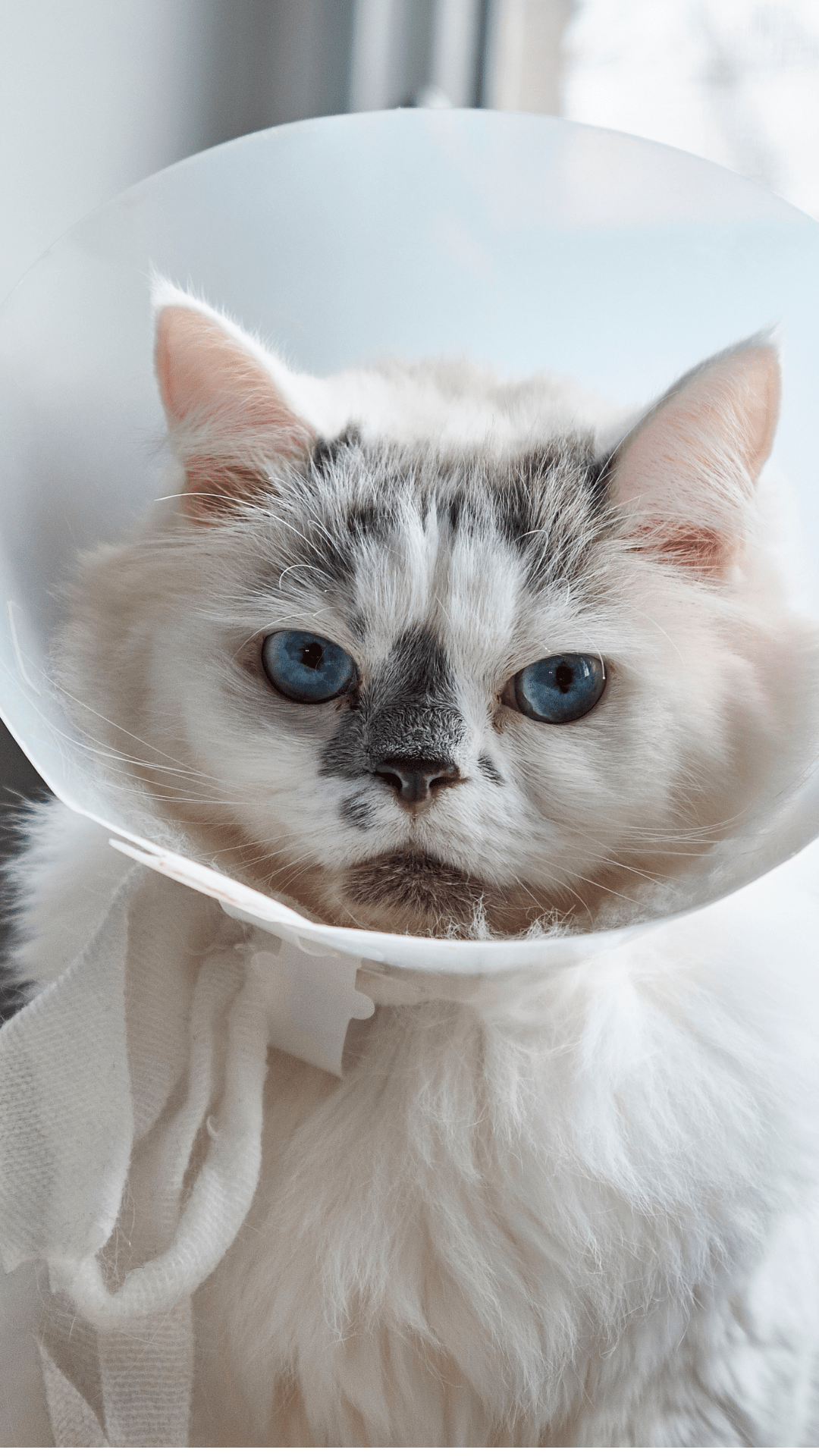
How do you treat early-stage cat chin acne?
Treat early-stage cat chin acne (blackheads only) with gentle, microbiome-friendly botanical ingredients like calendula and clary sage. Replace plastic bowls with stainless steel, clean chin daily, and apply natural serum weekly. For inflammatory acne (red bumps, pustules), consult your veterinarian for prescription treatments.
When to use natural treatment vs prescription medications?
Natural treatment is suitable for: Stage 1 blackheads only (comedones). Prescription medications are required for: Stage 2+ inflammatory acne with red bumps, pustules, or swelling. Always consult your veterinarian for proper diagnosis and treatment recommendations.
Table of Contents
What DermaProtect Treats: Stage 1 Blackheads Only
DermaProtect Serum is specifically formulated for early-stage, non-inflammatory cat chin acne - Stage 1 blackheads (comedones) only. It is NOT intended for inflammatory acne stages with red bumps, pustules, or swelling.
Stage 1: Non-Inflammatory Blackheads
What DermaProtect Treats:
- Small black dots on the chin that look like dirt but won't wipe off
- Clogged hair follicles with keratin and oil buildup
- Rough chin texture from comedone formation
- Early-stage acne before inflammation develops
- Prevention of progression to inflammatory stages
Success Rate: 95% for Stage 1 blackheads with proper application and environmental modifications
What DermaProtect Does NOT Treat
• Stage 2: Red, inflamed bumps (papules)
• Stage 3: Pustules with pus formation
• Stage 4: Severe inflammation with swelling
• Any signs of infection or spreading
• Cats showing pain or discomfort
UK Prescribed Medications for Cat Acne
When natural treatment isn't appropriate (inflammatory stages), UK veterinarians commonly prescribe the following medications:
Antiseptic Solutions
Chlorhexidine (Hibiscrub, Dermachlor):
- Use: All stages, but harsh for long-term use
- Mechanism: Broad-spectrum antimicrobial
- Concerns: Disrupts skin microbiome, can cause dryness
- Application: Diluted solution, 1-2 times daily 1:10 dilution ratio.
- Cost: £8-15 per bottle
Oral Medications (Severe Cases)
Amoxicillin-Clavulanate (Synulox):
- Use: Severe inflammatory acne with systemic infection
- Duration: 7-14 days typically
- Side Effects: GI upset, antibiotic resistance concerns
- Cost: £20-40 per course
Clindamycin:
- Use: Resistant bacterial infections
- Mechanism: Protein synthesis inhibitor
- Concerns: GI side effects, C. diff risk
- Cost: £25-45 per course
Anti-inflammatory Options
Prednisolone (Short-term):
- Use: Severe inflammation, short courses only
- Duration: 3-5 days but typically for severe inflammation only
- Side Effects: Immunosuppression, increased infection risk
- Cost: £8-15 per course
Natural vs Prescription: When to Use Each
Natural treatment vs prescription medications for cat acne
| Treatment Type | Best For | Pros | Cons |
|---|---|---|---|
| Natural (DermaProtect) | Stage 1 blackheads only | No side effects, microbiome-friendly, weekly application | Not suitable for inflammatory stages |
| Prescription Antibiotics | Stage 2-4 inflammatory acne | Fast-acting for infection, veterinary-supervised | Side effects, resistance risk, daily application |
| Antiseptics | All stages (short-term) | Broad-spectrum antimicrobial | Microbiome disruption, potential irritation |
Decision Framework
Choose Natural Treatment (DermaProtect) When:
- Only blackheads present (no red bumps or pustules)
- No signs of inflammation or infection
- Cat is comfortable and not scratching excessively
- Looking for long-term prevention approach
- Prefer microbiome-friendly, gentle treatment
Choose Prescription Treatment When:
- Red, inflamed bumps present (Stage 2+)
- Pustules or signs of infection
- Cat showing discomfort or pain
- Condition spreading or worsening
- Previous natural treatment unsuccessful
Stage 1 Treatment Protocol with DermaProtect
Success Rate: 95% for non-inflammatory blackheads
Week 1-2: Foundation Phase
Environmental Modifications (Day 1):
-
Bowl Replacement:
- Replace all plastic bowls with stainless steel or ceramic
- Ensure bowls are wide enough to prevent whisker contact
- Wash bowls daily with hot, soapy water
-
Feeding Area Setup:
- Keep feeding area clean and dry
- Remove any potential allergens
- Provide adequate space between multiple cats
Weekly Treatment Routine:
-
Gentle Cleaning:
- Clean chin with warm water and soft cloth
- Pat dry completely - never rub
- Allow area to air dry for 2-3 minutes
-
DermaProtect Application:
- Apply thin layer using gentle patting motions
- Use once weekly initially
- Increase to twice weekly if needed
Week 3-4: Monitoring and Adjustment
Progress Indicators:
- Reduction in new blackhead formation
- Smoother chin texture
- Easier removal of existing comedones
- No progression to inflammatory stages
Expected Timeline: 4-6 weeks for complete resolution of blackheads
Why Our Botanical Ingredients Work for Stage 1
Calendula officinalis - Gentle Anti-inflammatory
- Action: Reduces minor inflammation around clogged follicles
- Benefit: Prevents progression to inflammatory stages
- Safety: Extremely gentle, suitable for weekly use
Salvia sclarea (Clary Sage) - Sebum Regulation
- Action: Helps regulate oil production in hair follicles
- Benefit: Reduces formation of new blackheads
- Advantage: Addresses root cause of comedone formation
Cocos nucifera (Coconut) - Selective Antimicrobial
- Action: Lauric acid provides gentle antimicrobial protection
- Benefit: Prevents bacterial overgrowth without microbiome disruption
- Safety: Non-comedogenic, won't clog pores
Vitis vinifera (Grape Seed) - Antioxidant Protection
- Action: Protects skin from environmental damage
- Benefit: Supports healthy skin barrier function
- Advantage: Enhances overall skin resilience
Prevention Strategies for All Stages
How to prevent cat chin acne recurrence?
Prevent cat chin acne by:
- Using stainless steel bowls - Never plastic, wash daily
- Weekly chin cleaning - Gentle wipe with soft, damp cloth
- Stress management - Consistent routines and enriched environment
- Regular monitoring - Weekly chin inspection for early detection
- Weekly DermaProtect application - Maintenance dose for prevention
- Quality nutrition - Support skin health with proper diet
Universal Prevention Protocol
Daily Tasks:
- Wash feeding bowls with hot, soapy water
- Quick visual check during regular petting
- Maintain clean, stress-free feeding environment
Weekly Tasks:
- Thorough chin inspection for early blackhead formation
- Gentle cleaning with warm water and soft cloth
- DermaProtect application for ongoing prevention
- Deep cleaning of feeding area and equipment
When to See Your Veterinarian
• Red, inflamed bumps appear (Stage 2)
• Pustules or signs of infection develop
• Cat shows signs of pain or discomfort
• Excessive scratching or rubbing of chin
• Condition spreads beyond chin area
• No improvement after 6 weeks of proper treatment
Professional Diagnosis Importance
While Stage 1 blackheads can often be managed with natural treatment, proper veterinary diagnosis is essential to:
- Confirm the condition is actually feline acne
- Rule out other skin conditions
- Determine appropriate treatment approach
- Monitor for progression to inflammatory stages
- Adjust treatment if natural approach isn't effective
Treatment FAQs
Can DermaProtect treat red, inflamed acne?
No, DermaProtect Serum is specifically formulated for Stage 1 blackheads only. If your cat has red bumps, pustules, or signs of inflammation, you need prescription veterinary treatment. Natural botanical ingredients are not sufficient for inflammatory acne stages.
How do I know if my cat needs prescription medication?
If you see any red bumps, pustules, swelling, or if your cat shows signs of discomfort, consult your veterinarian immediately. Prescription antibiotics or antiseptics are required for inflammatory stages of feline acne.
Can I use DermaProtect alongside prescription treatments?
Always consult your veterinarian before combining treatments. DermaProtect may be suitable for prevention after prescription treatment resolves inflammatory acne, but should not be used simultaneously without veterinary approval.
Why weekly application instead of daily?
Weekly application is sufficient for Stage 1 blackheads and reduces the risk of over-treatment. The botanical ingredients provide lasting benefits, and gentle, less frequent application maintains the skin's natural balance.
What's the difference between UK prescribed treatments and DermaProtect?
UK prescribed treatments (antibiotics, antiseptics) are designed for inflammatory acne and bacterial infections. DermaProtect is a gentle, preventive approach for early-stage blackheads only. They serve different purposes and stages of the condition.
Perfect for Early-Stage Cat Chin Acne
DermaProtect Serum offers a gentle, effective solution for Stage 1 blackheads - before inflammation develops and prescription medications become necessary.
Ideal for:
- Early-stage blackheads (comedones) only
- Prevention of progression to inflammatory stages
- Cats with sensitive skin
- Long-term maintenance and prevention
- Microbiome-friendly approach
Remember: DermaProtect is specifically designed for early-stage, non-inflammatory cat chin acne. For any signs of inflammation, infection, or cat discomfort, always consult your veterinarian for appropriate prescription treatment.
This article is for educational purposes only and does not replace professional veterinary advice. Always consult with your veterinarian for proper diagnosis and treatment recommendations for your cat's specific condition.
Share:
Cat Chin Acne: Complete Guide to Causes, Symptoms & Diagnosis
Best Anti Itch for Cats and Cat Itch Relief