
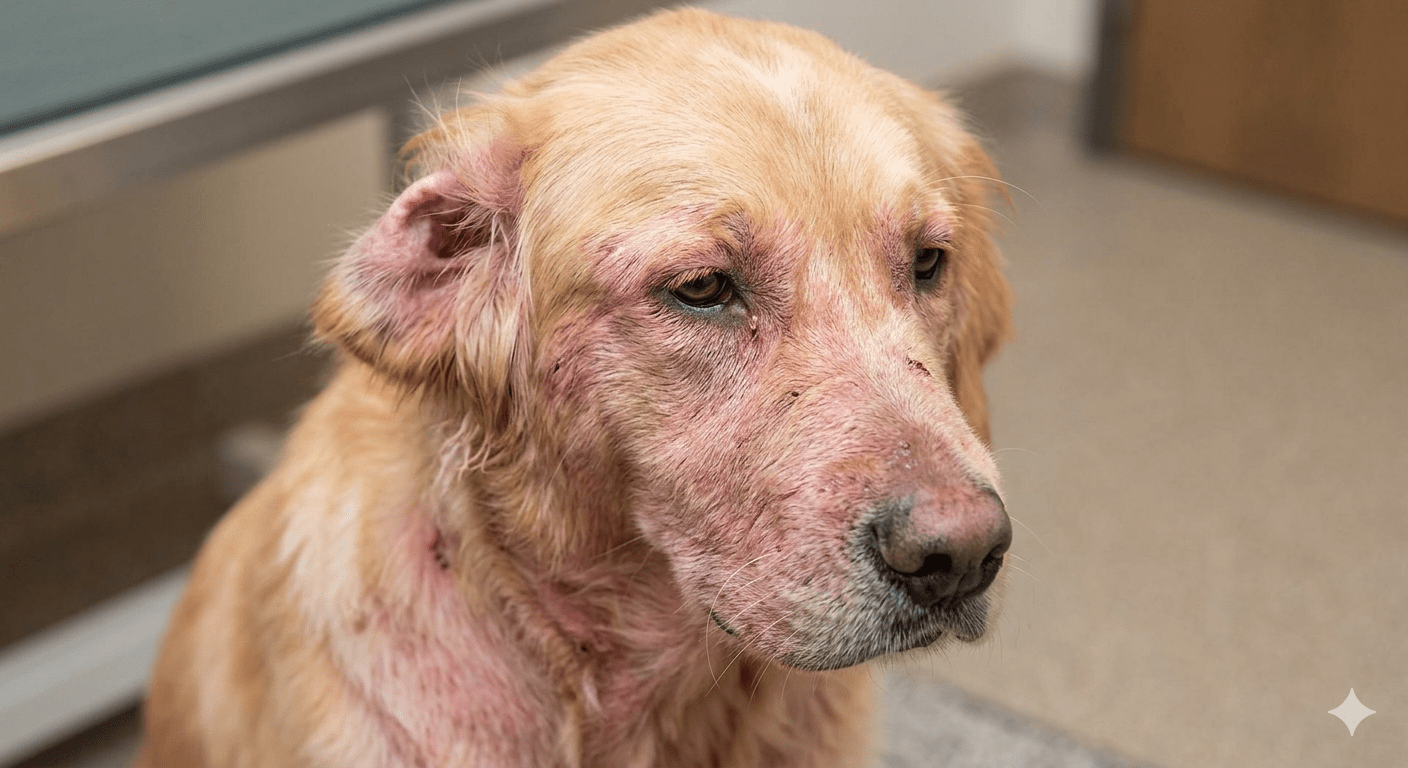
What is the difference between contact dermatitis and seborrheic dermatitis in dogs? Contact dermatitis is a localised skin reaction caused by direct contact with an irritant or allergen, think grass chemicals, cleaning products, or shampoo ingredients. Seborrheic dermatitis is a chronic condition involving abnormal oil production and skin cell turnover, often linked to yeast overgrowth or hormonal issues. Both cause itching, but they look different, have different triggers, and need different management.
This guide helps you identify which type your dog has and explains the most effective approaches for each including when to see a vet and what to use at home.
Quick Summary
Distinguishing between Contact Dermatitis and Seborrheic Dermatitis is vital for correct treatment. Contact dermatitis is a localised reaction to environmental irritants (like grass or chemicals), while seborrheic dermatitis involves oily or dry flaking often linked to yeast or hormonal issues. Effective management requires identifying the trigger, using therapeutic shampoos, and applying skin barrier support to soothe inflammation and restore balance.
When your dog's skin is red, itchy, or flaky, it can be distressing for both you and your pet. Understanding the distinctions between these two common types of dermatitis in dogs is crucial for effective treatment.
At a Glance: Contact vs Seborrheic Dermatitis
| Contact Dermatitis | Seborrheic Dermatitis | |
|---|---|---|
| Cause | Direct contact with irritant or allergen | Abnormal sebum/keratinisation; often secondary to allergy, infection or hormones |
| Location | Where contact occurred: paws, abdomen, muzzle, inner thighs | Along back, skin folds, ears; can be generalised |
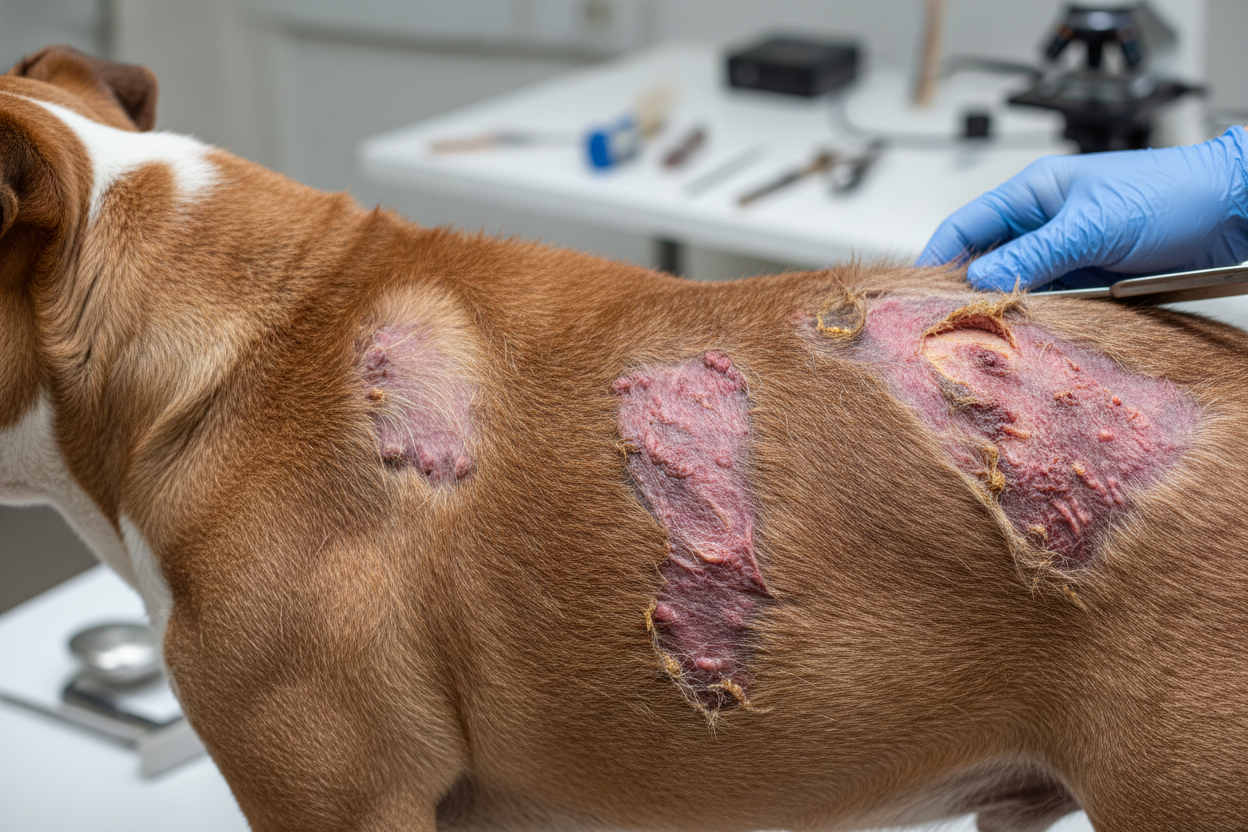
| Appearance | Redness, bumps, rash, localised hair loss | Greasy/oily coat or dry flaking; scaly patches |
| Smell | Usually none unless secondarily infected | Distinctive musty or cheesy odour (Malassezia) |
| Onset | Hours to days after exposure | Chronic; worsens gradually |
| Key treatment | Remove trigger; gentle cleansing; barrier repair | Address underlying cause; therapeutic bathing; dietary support |
Contact Dermatitis: When Something Touches Their Skin
Contact dermatitis in dogs is an inflammatory skin reaction that occurs when their skin comes into direct contact with an irritating or allergenic substance. It's similar to how humans might react to poison ivy or certain chemicals. The reaction is typically localised to the area of contact, though severe cases can spread.
Common triggers for contact dermatitis
- Environmental irritants: Certain plants (e.g. grasses, weeds), harsh cleaning products, pesticides, fertilisers, and even some types of flooring materials
- Allergens: Ingredients in shampoos, topical medications, flea collars, or even fabrics in bedding
- Moisture: Prolonged exposure to moisture, such as from urine or saliva, can also lead to irritation — especially in skin folds
Signs of contact dermatitis
- Redness and inflammation: Often seen in areas with less fur, like the abdomen, paws, muzzle, and inner thighs
- Itching and licking: Dogs will excessively lick, chew, or scratch the affected areas
- Rash or bumps: Small red bumps or a generalised rash may appear
- Hair loss: Due to constant scratching and licking
- Skin thickening: In chronic cases, the skin can become thickened and discoloured
Seborrheic Dermatitis: The Case of Oily or Dry Flakes
Seborrheic dermatitis is a chronic skin condition characterised by abnormalities in the production of sebum (skin oils) and keratinisation (skin cell turnover). This leads to either excessively oily and greasy skin (seborrhoea oleosa) or dry, flaky skin (seborrhoea sicca), often accompanied by a distinctive odour.

Causes of seborrheic dermatitis
Seborrhoea can be primary (genetic) or secondary to other underlying conditions. Primary seborrhoea is less common and often seen in breeds like Cocker Spaniels, Basset Hounds, and West Highland White Terriers. Secondary seborrhoea is more prevalent and can be triggered by:
- Allergies: Environmental, food, or flea allergies
- Hormonal imbalances: Hypothyroidism or Cushing's disease
- Parasites: Mites or fleas
- Infections: Bacterial or yeast infections (Malassezia)
- Nutritional deficiencies: Lack of essential fatty acids
Signs of seborrheic dermatitis
- Oily, greasy coat with a distinctive musty or cheesy smell — a strong indicator of Malassezia yeast overgrowth
- Or dry, white-to-yellow flaking dandruff across the coat, back, and tail base
- Redness and intense itching, particularly along the back, in ear canals, and in skin folds
- Thickened, darkened skin in chronic cases (lichenification)
- Secondary bacterial or yeast infections in affected areas
The Malassezia connection
In seborrhoeic dogs, the disrupted skin environment such as excess oil, altered pH, compromised barrier creates ideal conditions for Malassezia pachydermatis, a naturally occurring skin yeast, to overgrow. This yeast is responsible for the distinctive musty odour many owners notice before they can even see the skin problem. Managing seborrhoea therefore often involves addressing both the underlying trigger and the secondary yeast population simultaneously.
Treatment and management strategies
Effective management of both conditions involves identifying and addressing the underlying cause, alongside symptomatic relief and skin barrier support.
For contact dermatitis
- Identify and remove the irritant: This is the most critical step. Observe your dog's environment and recent exposures to pinpoint the trigger. Our article on whether your home is making your dog itchy has a full checklist of common household triggers.
- Bathe with a gentle shampoo: Use the FurBabies™ Botanicals Rinse-Off Shampoo to remove residual irritants from the coat and skin without further stripping the barrier. Its plant-derived surfactants and botanical actives clean effectively without worsening inflammation.
- Support skin barrier repair: After bathing, apply the DermaRenew Patchy Coat Dog Repair Serum to affected areas to calm inflammation and restore the barrier. For localised hotspots or paw irritation, the Nose, Wrinkle & Paw Ointment provides targeted soothing relief.
- See your vet if the reaction is severe, spreading, or not improving within a few days.
For seborrheic dermatitis
- Address the underlying cause: A veterinary diagnosis is essential to identify and treat any primary conditions (allergies, hormonal imbalances, infections) contributing to the seborrhoea. Your vet may recommend thyroid function testing, skin cytology, or allergy investigation.
- Therapeutic bathing: Regular bathing with gentle, anti-inflammatory shampoos helps manage scale and odour. For seborrhoea with secondary yeast involvement, the FurBabies™ Botanicals Rinse-Off Shampoo — with its botanical actives including lavender and calendula — supports microbiome balance and reduces the conditions in which Malassezia thrives. For more severe oily seborrhoea, your vet may additionally prescribe a medicated shampoo containing salicylic acid or miconazole.
- Serum support between washes: The DermaRenew Serum applied to oily or flaky patches between baths helps manage microbial imbalance and supports barrier restoration.
- Dietary support: Supplementation with omega-3 fatty acids (EPA and DHA) has good evidence for improving skin barrier function and reducing inflammatory skin conditions in dogs. Ask your vet about appropriate supplementation if diet is a contributing factor.
- Ongoing management: Seborrhoea is often a lifelong condition requiring consistent management rather than a one-off cure. Regular grooming, appropriate bathing frequency, and early intervention when flare-ups begin makes a significant difference to quality of life.
For a broader overview of what else might be causing persistent skin problems in dogs, see our companion article: Dog itch: what else could it be?
Conclusion
Distinguishing between contact and seborrheic dermatitis is the first step toward providing your dog with appropriate care. While veterinary consultation is always recommended for an accurate diagnosis and treatment plan, understanding these conditions empowers you to be a proactive pet parent. By combining targeted treatments with a focus on skin barrier health using products formulated specifically for canine skin you can help your dog find lasting relief from discomfort.
Not sure where to start? Our free Dog Smell & Itch Checklist helps you systematically work through the most likely triggers before spending money on the wrong treatments.
References
- AKC. (2026, March 25). Dermatitis in Dogs: Signs, Symptoms, Treatments.
- Animal Cove Pet Hospital. Diagnosing Dermatitis in Dogs and Cats.
- Cornell University College of Veterinary Medicine. (2025, October 21). Atopic Dermatitis (Atopy).
- NCBI. (2024, February 13). Canine Atopic Dermatitis: Prevalence, Impact, and Management.
- BluePearl Pet Hospital. (2017, July 10). Atopic Dermatitis in Pets.
- Dogs Naturally Magazine. (2019, March 20). Atopic Dermatitis in Dogs: A Holistic Healing Approach.
- PetMD. (2025, May 27). 8 Vet-Approved Home Remedies for Your Dog.
- YouTube. (2026, April 14). Itchy Dog or Cat? Fix the Skin Barrier First.
- Dermavet. (2026, March 26). Hypoallergenic Diets in Dogs and Cats: 2026 Update.
- Precedence Research. Canine Atopic Dermatitis Market Size to Hit USD 6.81 Billion by 2035.
- LinkedIn. (2026, April 7). Understanding the Canine Atopic Dermatitis Treatment Market.
Reviewed by a Clinical Pharmacist. This article is for informational purposes only and does not constitute veterinary advice. Always consult your vet if symptoms persist or worsen.
Share:
Is Xylitol Toxic to Dogs? What It Is, Where It's Found, and How to Check the Risk
Baby Shampoo For Dogs Ingredient Safety - A Pharmacist's Guide