
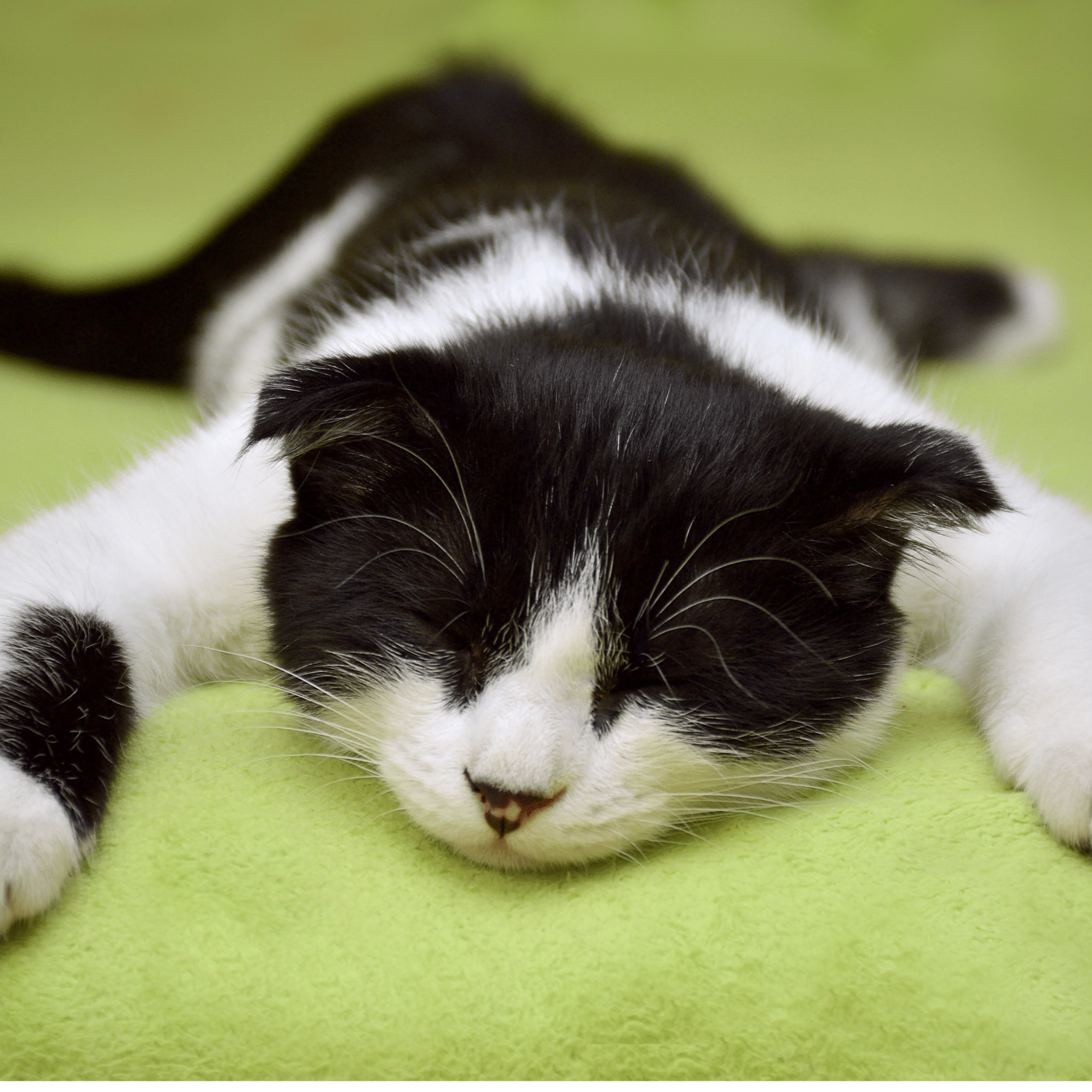
Cats turn around before lying down due to instincts inherited from their wild ancestors, helping them check for dangers and mark their territory. This circling behavior also helps them adjust their sleeping area for comfort, conserve body heat, and clear debris. Excessive circling could indicate stress, discomfort, or joint pain, which may require a vet’s attention.
FAQs: Why Do Cats Walk in Circles Before Lying Down?
-
Why do cats spin around before sleeping? Cats spin around before sleeping as part of their instinctual behavior to create a safe and comfortable sleeping space. This includes checking for threats and adjusting their sleeping position to optimize comfort and warmth.
-
Does circling indicate a problem with my cat? While circling is normal, excessive circling or difficulty getting comfortable could indicate joint issues or other health concerns. Consult your vet if you notice unusual behavior.
-
Can I stop my cat from circling? Circling is a natural behavior, and it's not something you can or should stop. However, ensuring your cat has a comfortable, quiet, and safe sleeping area can help reduce the need for excessive circling.
Introduction
Ever wonder why your cat spins in circles before settling down for a nap? This behavior, though quirky, is deeply rooted in your feline's wild ancestors and serves multiple purposes. From ensuring a comfortable sleeping environment to marking their territory, circling before lying down is an instinctive and protective ritual. In this article, we'll explore the reasons behind this fascinating behaviour, its origins, and what it may indicate about your cat’s health.
1. Survival Instincts: A Link to Wild Ancestors
In the wild, cats didn’t have plush pillows or cozy beds like our domestic companions. Their survival depended on their ability to create a secure and comfortable resting spot, free from threats. By circling, they would pat down grass, leaves, or dirt, ensuring they could avoid hidden dangers such as insects, snakes, or sharp objects. Cats would also position themselves to take advantage of wind direction, so they could smell any approaching predators.
Key Takeaways:
-
Wild cats circled to make their sleeping area safer and more comfortable.
-
Circling helped them detect predators through scent and wind direction.
2. Territorial Marking: Claiming Their Space
In addition to creating a safe sleeping spot, circling also serves as a way for cats to mark their territory. Cats have scent glands in their paws, and by walking in circles and scratching at the ground, they leave their scent behind, signaling to other animals that the area is taken. This is particularly important in the wild, where territory disputes were common.
Key Takeaways:
-
Circling marks the area as the cat’s territory.
-
It helps deter other animals from intruding on their resting spot.
3. Comfort and Temperature Regulation
Whether in the wild or at home, cats have a strong desire to make their sleeping area as comfortable as possible. In colder climates, cats would curl up tightly in a ball after circling, using their body heat to stay warm. In hotter climates, circling helped them uncover cooler ground by moving debris like grass or soil that retained heat.
At home, domestic cats may replicate this behavior instinctively to adjust the temperature of their bed or blanket, ensuring they are comfortable while they rest.
Key Takeaways:
-
Circling allows cats to adjust their sleeping area for comfort and warmth.
-
It helps cats stay warm in cold environments or cool off in warmer areas.
4. Preparing for Sleep: The Importance of a Secure Position
Beyond comfort, circling also allows cats to position themselves in a way that helps them remain alert to potential dangers. By circling, they position themselves in the best way to detect any movement or changes in their environment, even when indoors. This behavior is especially prominent in feral cats, who need to be hyper-aware of their surroundings for survival.
Key Takeaways:
-
Cats instinctively circle to ensure they are well-positioned for safety and alertness.
-
This ritual is tied to their ancestral need to stay vigilant in the wild.
5. The Kneading Ritual: A Comforting Part of Bedtime
For many cats, circling before lying down is accompanied by kneading, which is a behavior that originates from kittenhood when they kneaded their mother’s belly to stimulate milk production. In adulthood, kneading is a sign of contentment and comfort. It signals to your cat that they are in a safe, secure space, ready to settle down.
Key Takeaways:
-
Kneading is a comforting ritual, often done alongside circling.
-
It signals that the cat feels secure and ready for sleep.
What if the Circling Becomes Excessive?
While circling is a completely natural behavior, excessive circling or difficulty settling down can be a sign of discomfort or health issues, such as joint stiffness or arthritis. Cats in pain may circle multiple times, trying to find a position that alleviates discomfort. If you notice that your cat is circling excessively or struggling to lie down, it’s important to consult with your veterinarian.
Signs of Excessive Circling:
-
Difficulty settling down despite circling.
-
Repeated attempts to lie down without success.
-
Lethargy or signs of pain when attempting to rest.
Conclusion: Understanding Your Cat’s Bedtime Ritual
Cats may seem like they’re performing an odd dance before bed, but this behavior is deeply embedded in their instincts and survival strategies. Whether it’s for comfort, temperature regulation, or territory marking, circling before lying down is a perfectly normal part of your cat’s routine. However, if you notice excessive circling or other signs of distress, it’s always a good idea to check in with your veterinarian to ensure your cat is healthy and comfortable.
Find out more about cats recognising themselves in mirrors in our other recent blog article.







Share:
Do Cats Recognize Mirrors? A Deep Dive Into Feline Reflection Awareness
What is Catnip? The Ultimate Guide for Pet Parents