

If you're wondering, can fleas live in a house without pets, or if you have fleas or lice in hair you're not alone. Many pet owners, and even those without pets, may face the unpleasant surprise of finding fleas in their home. Fleas are known for their resilience, and the question of how long they can survive without a host is an important one. This blog will address these concerns and provide you with the necessary information to understand fleas, how long they can survive, and how to deal with a flea problem with no pets.
How Long Will Fleas Live in a House Without Pets?
Can Fleas Survive in a Home Without Pets?
If you're dealing with a situation where you have fleas in a home but no pets, you might wonder if fleas can actually survive without pets in the house. Yes, fleas can survive for some time in homes without pets, but they will require an alternative host for feeding and breeding. Rodent fleas and bird fleas can thrive in homes even without the presence of domestic pets like cats and dogs. Fleas will likely find new hosts, including humans or rodents, to continue their life cycle. In fact, some fleas, like human fleas (Pulex irritans), can infest homes even in the absence of pets. These fleas are more commonly found in areas with poor sanitation or in homes with rodent infestations, and they can survive for brief periods without a host.
It's important to note that animal fleas (like dog fleas and cat fleas) typically cannot survive on humans. While they may bite humans if there’s no other host available, they cannot live on human blood long-term. In the UK, human fleas were once a significant problem, especially in areas with poor hygiene, but they are now much rarer due to modern pest control methods. According to a study by the Health Protection Agency (now part of Public Health England), human fleas are now mostly found in areas where there is significant exposure to flea-infested animals, such as rodents. However, rodent fleas (such as the plague flea, Xenopsylla cheopis) are still a concern in some parts of the world, and these fleas can survive without pets if they are brought in by rodents or other wildlife.
The answer to how long will fleas live in a house without pets varies, but fleas can survive up to several months in the pupal stage. In fact, flea larvae can stay dormant in the pupal stage until a host is detected. Adult fleas typically live for a few weeks to a couple of months, but under the right conditions, they can survive for longer periods waiting for a host.
How Long Can Fleas Live Without a Host Dog?
Many people believe that fleas are strictly dependent on pets like dogs or cats, but fleas can live without them, too. How long can fleas live without a host dog? The short answer is they can survive for a few days to a week or two without a blood meal. In the case of fleas in house no pets, they will look for alternative hosts like humans or rodents. However, their ability to reproduce is highly dependent on having a regular food source.
Can Humans Get Fleas in Their Hair?
Fleas are parasitic insects that primarily infest animals such as cats and dogs. However, in cases of severe infestation or when their preferred hosts are unavailable, fleas may temporarily bite humans and even cling to human hair. While fleas can bite and cause irritation, they do not typically live or reproduce on human scalps.
Fleas in Hair vs Lice – What’s the Difference?
Many people confuse fleas with lice because both can cause scalp itching and discomfort. However, there are key differences:
| Feature | Fleas in Hair | Lice in Hair |
|---|---|---|
| Type of Parasite | Fleas (Ctenocephalides felis/canis) | Head lice (Pediculus humanus capitis) |
| Primary Host | Prefer pets but may bite humans | Humans only |
| Can Live in Hair? | No – may cling temporarily but do not live or reproduce there | Yes – live, lay eggs, and reproduce on the scalp |
| Movement | Jump long distances | Crawl and stay close to the scalp |
| Eggs (Nits)? | Do not lay eggs on humans | Lay sticky eggs (nits) on hair strands |
| Symptoms | Itchy bites, usually around the neck and shoulders | Persistent scalp itching, visible nits, and lice movement in hair |
| Treatment | Washing hair, fine-toothed comb, treating pets and home | Special lice treatment shampoos, fine-toothed comb, washing bedding/clothes |
While fleas can briefly end up in human hair after jumping from an infested pet or environment, lice are specifically adapted to live and reproduce on the human scalp.
Fleas in Human Hair Symptoms
If fleas come into contact with human hair, symptoms may include:
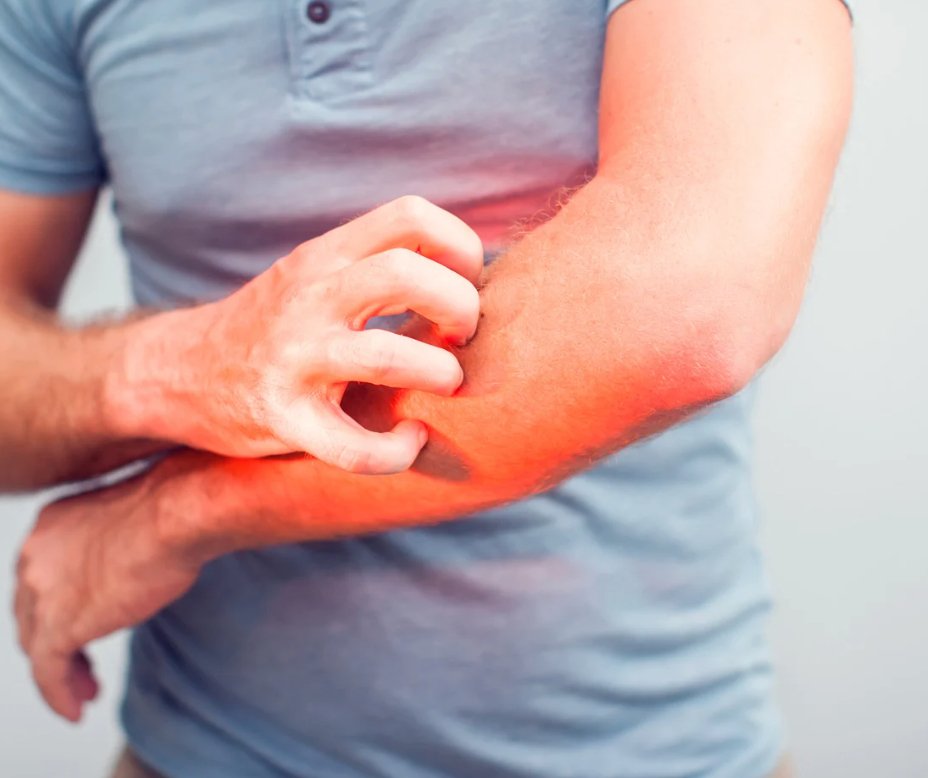
- Itching and irritation – Flea bites can cause redness, itchiness, and small raised bumps.
- Bite marks – Typically found on exposed areas like the neck, scalp, and shoulders.
- Crawling sensation – Fleas may move quickly across the scalp before jumping away.
- Secondary infections – Excessive scratching can break the skin and lead to infections.
How Do You Get Rid of Fleas in Human Hair?
- Wash hair thoroughly – Use a mild shampoo with warm water to remove any fleas. Tea tree or neem-based shampoos may help repel fleas.
- Use a fine-toothed comb – This helps remove any fleas or debris from the hair.
- Treat the environment – Since fleas come from pets or infested areas, treat your home by vacuuming, washing bedding, and using flea control products for pets.
- Check pets and family members – Ensure your pets receive flea treatment and inspect others in the household for signs of bites.
- Seek medical advice – If bites worsen or lead to infection, consult a healthcare professional.
Do Fleas Live in Clothing? Will Fleas Live in Clothes?
A common concern for people with fleas in home but no pets is whether fleas can survive on clothing. The answer is yes. Fleas are capable of hitching rides on your clothing, especially if you've been in an area with an active infestation. While fleas don’t stay in clothing permanently, they can certainly live in clothes for a time, especially if they are still in the pupal or larval stages. If you’re wondering, do fleas live in clothing, it's possible that they could be hiding in your clothes until they find a host.
Carpet beetles and bedbugs can be mistaken for fleas due to their ability to bite or cause discomfort in humans. Unlike fleas, however, carpet beetles do not jump, and bedbugs have a distinct bite pattern, typically concentrated on exposed areas of skin.
What Do Flea Eggs Look Like?
Flea eggs are tiny, white, and oval-shaped, about the size of a grain of salt. Many people wonder, "what colour are flea eggs?" – they are usually white or off-white. Some pet owners notice white flea eggs on dogs or even flea eggs on cats, especially near the base of the tail or around the neck. Unlike flea dirt (which looks like black specks), flea eggs do not stick to fur, so they often fall onto bedding, carpets, or furniture.
How Long Do Flea Eggs Take to Hatch?
Many ask, "how long do flea eggs take to hatch?" or "how long do flea eggs take to hatch on dogs?". The answer depends on temperature and humidity, but typically, flea eggs hatch in 1 to 12 days. If conditions are warm and humid, they hatch faster. Some may also wonder, "are there dead flea eggs?" – flea eggs that don’t hatch may appear dried out or shriveled, but most eggs will hatch if conditions are right.
What Does Flea Larvae Look Like?
Once flea eggs hatch, they become flea larvae. Many pet owners ask, "what does flea larvae look like?" or "flea larvae on dogs?". Flea larvae are tiny, worm-like creatures with no legs and a pale, translucent body. They avoid light and hide in carpets, pet bedding, and cracks in the floor. Unlike adult fleas, flea larvae do not jump or bite.
Fleas and Flea Eggs in the Home
Flea eggs don’t just stay on pets—they fall into the environment. Many wonder, "what do flea eggs look like on furniture?". Flea eggs on carpets, sofas, and pet beds look like tiny white specks. Since they are so small, they can be hard to spot.
Can Fleas Live Without a Host Animal?
One of the key factors determining whether fleas will stay in your home is whether they can live without a host animal. So, can fleas live without a host animal? Yes, they can, but only for a short period. Fleas are highly dependent on blood meals to survive, and without a host, they will eventually die. However, flea eggs, larvae, and pupae can survive for much longer periods, even if there is no immediate host. So while adult fleas may perish in a house without pets, their offspring may continue to develop until they find a host. This is why it’s important to address any signs of fleas in house without pets as soon as possible.
Can You Get Fleas Without Pets?
Many people are surprised to learn that can you get fleas without pets is not just a myth. You can get fleas without owning pets, especially if they hitch a ride from an outside source. Rodent (rat) fleas, bird fleas, and even fleas from wildlife (squirrel fleas) can be introduced into your home, and they don’t require domestic pets to survive. Rodent fleas, for example, are often found in areas with rats or other small mammals. They can live in your home for an extended period if they don’t find a new host, and they may feed on humans if pets aren’t available.
How Long a Flea Can Live: The Lifecycle of Fleas
The lifespan of a flea depends on several factors, including access to a host. How long a flea can live without feeding on a host ranges from a few days to a couple of weeks. However, fleas can survive much longer if they are in the pupal stage, waiting for a host to emerge. In ideal conditions, fleas can remain dormant in their cocoon for weeks or even months. This is why fleas in a house but no animals is still a possibility, especially if there’s a potential host for them to latch onto.
Preventing Fleas in Homes Without Pets
So, if you're facing a situation where you have fleas in a home but no pets, it’s important to take steps to eliminate them. The key is to eliminate all stages of the flea lifecycle, from eggs to adult fleas. Start by vacuuming frequently, washing any fabric or upholstery that could have been exposed, and considering professional pest control services if the infestation persists.
Additionally, removing any potential wildlife or rodents from your home is crucial to preventing fleas from continuing to live in your space. Regular inspections and environmental changes will help ensure that fleas in house but no animals don’t become a recurring problem.
Conclusion
In summary, can fleas live in a house without pets? Yes, they can, but they need a source of food to survive. Without pets, fleas can infest your home through rodents, wildlife, or even human activity. While the fleas may not last as long without a host, their eggs, larvae, and pupae can remain dormant for a while, ready to emerge when the conditions are right. Understanding how long fleas live in a house without pets and how to deal with them will help you manage any potential infestations. Take proactive measures and make your home less welcoming to these resilient pests!








Share:
Everything You Need to Know About Oclacitinib (Apoquel) for Dogs
Top 10 Pet Insurance Companies for Dogs and Cats in 2025