

Can I Give My Dog Benadryl and Apoquel Together?
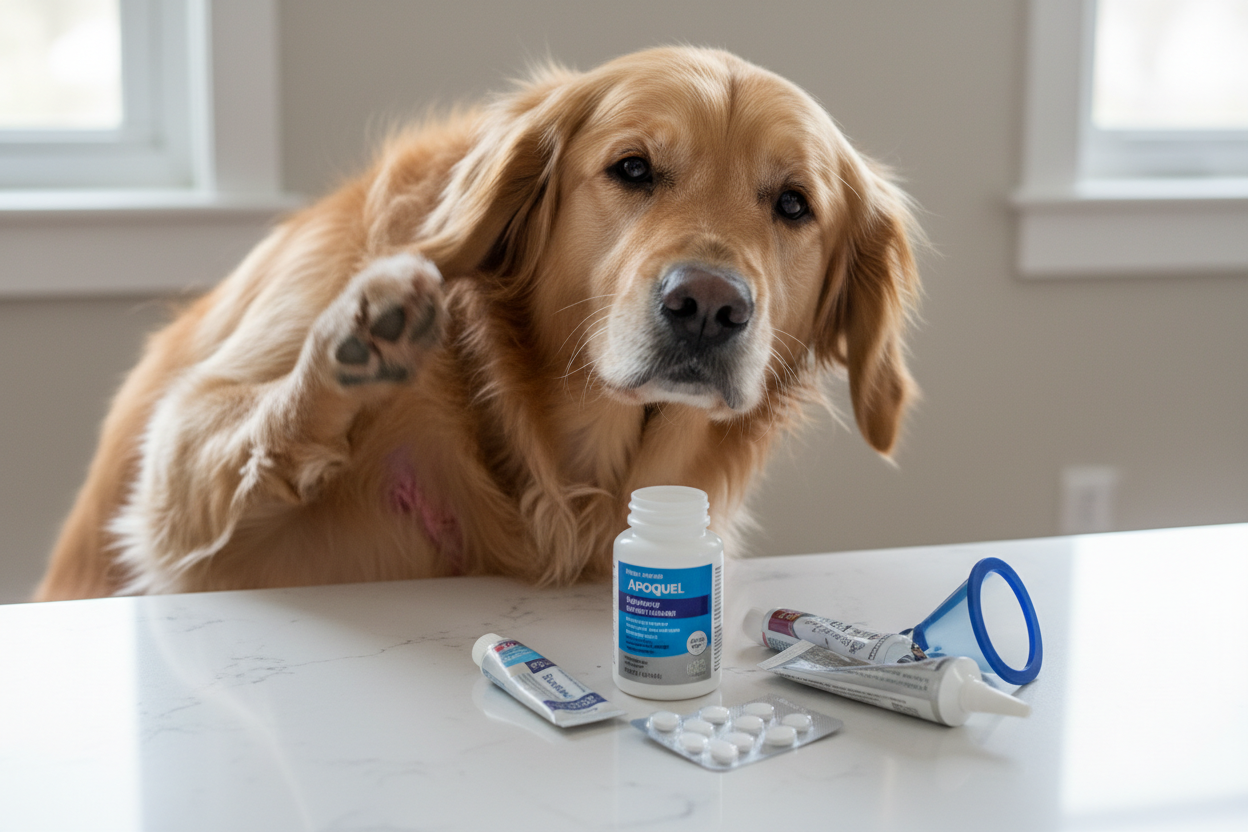
It’s common for pet owners to seek ways to manage their dog's allergic reactions. You may be asking, Can I give my dog Benadryl and Apoquel together? Both medications serve different purposes, but combining them requires careful consideration.
Benadryl (diphenhydramine Benadryl) is an over-the-counter antihistamine commonly used to treat minor allergic reactions, including itching, swelling, and sneezing in dogs (Yates, 2017). On the other hand, Apoquel (apoquel for dogs) is a prescription medication specifically designed to control itching due to allergic dermatitis and inflammation (McKeever et al., 2020). When used in combination, the effects of these medications may overlap, which can increase the risk of side effects like drowsiness, gastrointestinal upset, or even more severe reactions (Patterson, 2019).
Recent research indicates that the bioavailability of Benadryl (diphenhydramine Benadryl) in dogs may be limited, potentially reducing its effectiveness in managing allergic reactions. This limitation arises because dogs metabolize the drug differently than humans, leading to variations in absorption and efficacy. Consequently, Benadryl may not provide the desired relief for all dogs.
Apoquel Without Vet Prescription: Is It Safe?
A question often raised by pet owners is whether Apoquel works effectively for their dogs without a vet prescription. Apoquel is classified as a prescription-only medication (vet prescription), and it is critical to consult with your veterinarian before using it for your dog. Apoquel tablets target the Janus kinase (JAK) pathway to reduce inflammation and itching associated with allergies (McKeever et al., 2020).
Using Apoquel without proper veterinary guidance can lead to complications. For example, it may mask underlying conditions that need specific treatments, and improper dosing could cause side effects such as vomiting, diarrhea, or even immune suppression (Patterson, 2019). It's essential to follow your veterinarian’s instructions when using Apoquel, as they can assess the dosage based on your dog's weight, age, and health history. Remember, Apoquel for dogs is designed to provide relief for allergic reactions and should only be used under professional supervision.
Can I give my dog Piriton instead of Apoquel?
If your dog suffers from chronic itching or allergic skin conditions like atopic dermatitis, you may have heard of Apoquel. This prescription medication is commonly used to manage severe itching and inflammation. However, many pet parents may consider switching their dog from Apoquel to over-the-counter antihistamines, believing they can provide the same relief. Unfortunately, this is not the case.
Why Stopping Apoquel and Switching to Antihistamines Is Not The Answer
Apoquel works by specifically blocking the immune system signals (cytokines) that cause inflammation and itching. It's an immunosuppressive drug that targets the root cause of allergic reactions. On the other hand, antihistamines primarily block histamines—the chemicals released during allergic reactions—but do not have the same immune-modulating effects as Apoquel. Here's why simply switching to antihistamines may not be the answer:
-
Limited Effectiveness of Antihistamines Antihistamines may help control mild symptoms, but they are not as effective for severe allergic reactions or chronic inflammation. Apoquel, in contrast, is specifically designed for managing chronic itching and allergic responses in pets. While antihistamines like cetirizine Zyrtec may help with seasonal allergies, they don’t address the root cause of skin inflammation in dogs with conditions like atopic dermatitis or flea allergy dermatitis.
-
Risks of Switching Stopping Apoquel without proper management can lead to a worsening of symptoms, including increased itching, inflammation, and skin lesions. The skin may become more prone to infection, and your dog could experience a rebound effect where symptoms intensify. Antihistamines can cause side effects like sedation, dry mouth, and even vomiting, depending on the drug, and they don't provide the targeted action needed to address the chronic allergic reactions seen in many dogs.
-
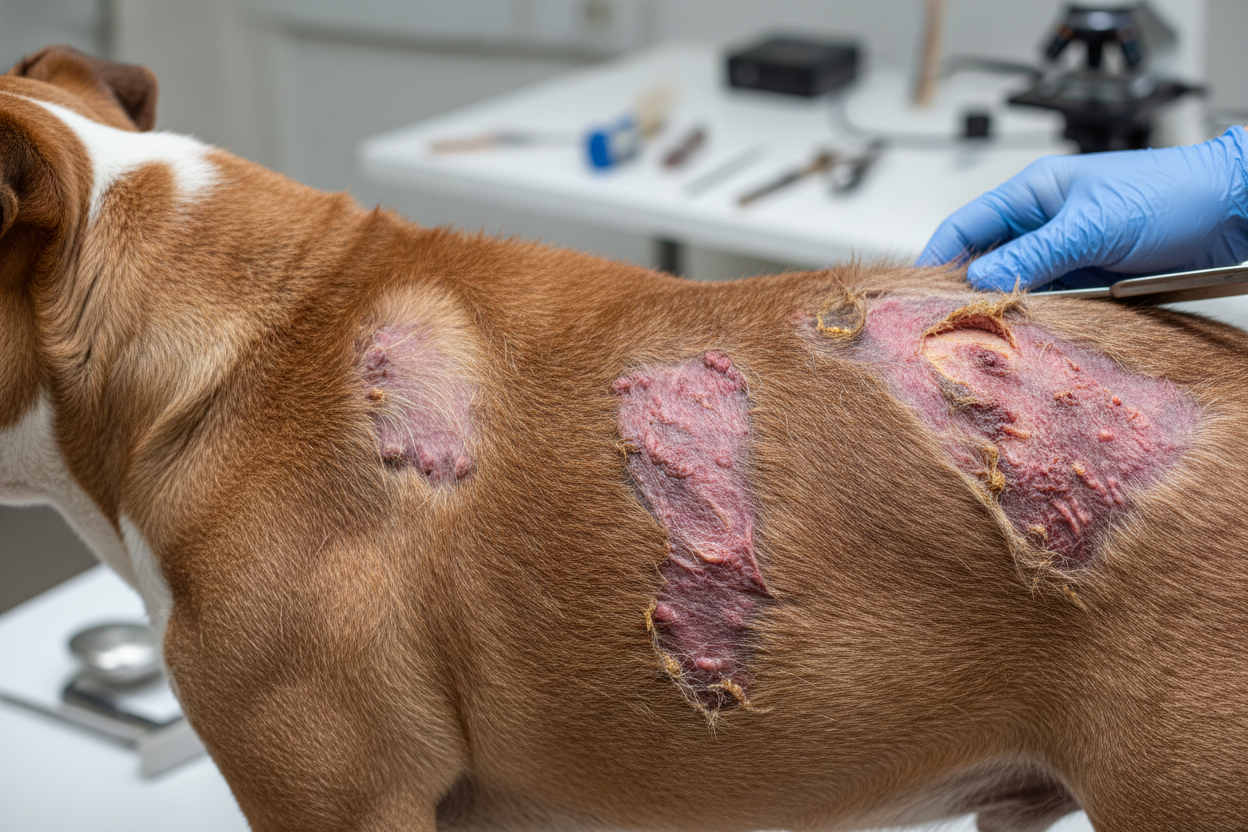
Serious Side Effects of Abruptly Stopping Apoquel If your dog is on Apoquel and it’s suddenly stopped, the underlying immune system inflammation could worsen and cause rebound inflammation. The body may struggle to regulate itching, inflammation, and skin repair. Dogs might experience secondary infections due to a weakened skin barrier, making it harder for the skin to heal and recover from allergies. This is why managing dog allergies carefully is crucial.
Addressing the Root Cause: Why Topical Skin Repair in dogs with allergies is Key
The key to treating allergic skin conditions is addressing both the immune system and the skin barrier. While Apoquel can suppress the immune response, it doesn’t necessarily restore the damaged skin barrier that many dogs with allergic reactions experience.
This is where topical skin repair becomes essential. Using products like DERMARENEW Skin Repair Serum and DERMAPROTECT Skin Repair Serum can help to nourish, hydrate, and restore the skin barrier, improving the skin’s natural defense mechanisms.
Topical Skin Repair: A Crucial Step for Healing
- DERMARENEW Skin Repair Serum: Enriched with lavender and carrot seed oil, this serum helps to reduce inflammation and irritation, while also promoting skin regeneration.
- DERMAPROTECT Skin Repair Serum: Perfect for dogs with flea allergies, hormonal imbalances, or sensitive skin, this serum contains rose and calendula, which are naturally soothing and support skin barrier recovery.
These serums not only help control itching but also provide long-term support for the skin, reducing the frequency of flare-ups and providing relief from the underlying causes of chronic skin conditions.
Answers to Common Questions About Apoquel
What is Apoquel used for?
Apoquel is used to treat allergic skin conditions in dogs, including atopic dermatitis, flea allergy dermatitis, hot spots, and other conditions that cause chronic itching, inflammation, and discomfort.
Can I switch my dog from Apoquel to antihistamines?
While antihistamines may offer some relief for mild itching, they are not a substitute for Apoquel. Antihistamines do not address the immune response or inflammation that Apoquel targets. Switching from Apoquel to antihistamines without veterinary guidance can result in uncontrolled symptoms and skin damage.
What are the risks of stopping Apoquel?
Stopping Apoquel abruptly can lead to a worsening of symptoms. Your dog may experience intensified itching, skin lesions, and secondary infections. It’s crucial to consult with your vet before making any changes to your dog’s treatment plan.
Why is topical skin repair important?
Topical skin repair is essential to restore the skin’s barrier function and prevent further allergic reactions. Even if Apoquel is controlling the symptoms, topical products like DERMARENEW and DERMAPROTECT Serums can help accelerate skin barrier repair and therefore reduce inflammation, and provide long-lasting relief.
Should I use Apoquel and topical skin repair together?
Yes! Apoquel and topical skin repair products complement each other. Apoquel helps control the immune system response, while the serums provide much-needed skin barrier repair and support to the skin. This combination can lead to better long-term outcomes for managing allergic skin conditions.
Conclusion
In summary, while both Benadryl and Apoquel can be effective in managing your dog’s allergies, they should not be administered together without veterinary consultation. Furthermore, Apoquel should never be used without a vet prescription. Always prioritize safety and consult a veterinary professional to ensure your dog receives the best care.
Recent research indicates that the bioavailability of Benadryl (diphenhydramine Benadryl) in dogs may be limited, potentially reducing its effectiveness in managing allergic reactions. This limitation arises because dogs metabolize the drug differently than humans, leading to variations in absorption and efficacy. Consequently, Benadryl may not provide the desired relief for all dogs.
Switching your dog from Apoquel to antihistamines is not a viable solution for managing chronic itching or allergic skin conditions. Apoquel targets the immune system pathway responsible for inflammation, while antihistamines only mask the symptoms. Apoquel like any immune-modulating drug, has its limitations and can cause serious side effects of Apoquel (discussed in another blog). To achieve lasting skin barrier support, it’s important to support both your dog’s immune health and skin barrier function with topical skin repair products like DERMARENEW and DERMAPROTECT Serums.
Always consult with your vet before making changes to your dog’s treatment plan. If you’re looking for additional support for your dog’s skin health, consider incorporating topical skin care products into your daily routine.
For more information about how our products can help your dog, send us a message and we will be happy to support you.
References
McKeever, P., Knowles, S., & Thompson, A. (2020). Apoquel (oclacitinib) and its role in the management of allergic dermatitis in dogs: A clinical review. Journal of Veterinary Dermatology, 31(4), 324-331. https://doi.org/10.1111/jvd.12999
Patterson, T. (2019). Risks of using multiple medications in canine allergy management: A review. Veterinary Pharmacology, 22(2), 99-104. https://doi.org/10.1016/j.vetpharm.2019.02.004
Yates, D. (2017). The use of Benadryl (diphenhydramine) in veterinary practice. American Journal of Veterinary Medicine, 32(8), 789-791. https://doi.org/10.1016/j.ajvm.2017.05.004






Share:
FAQs About Dog Pain - Part 2
Understanding Moulting in Guinea Pigs, Hamsters, and Rabbits: A Comprehensive Guide