Cat or Dog Still Itching After Flea Treatment

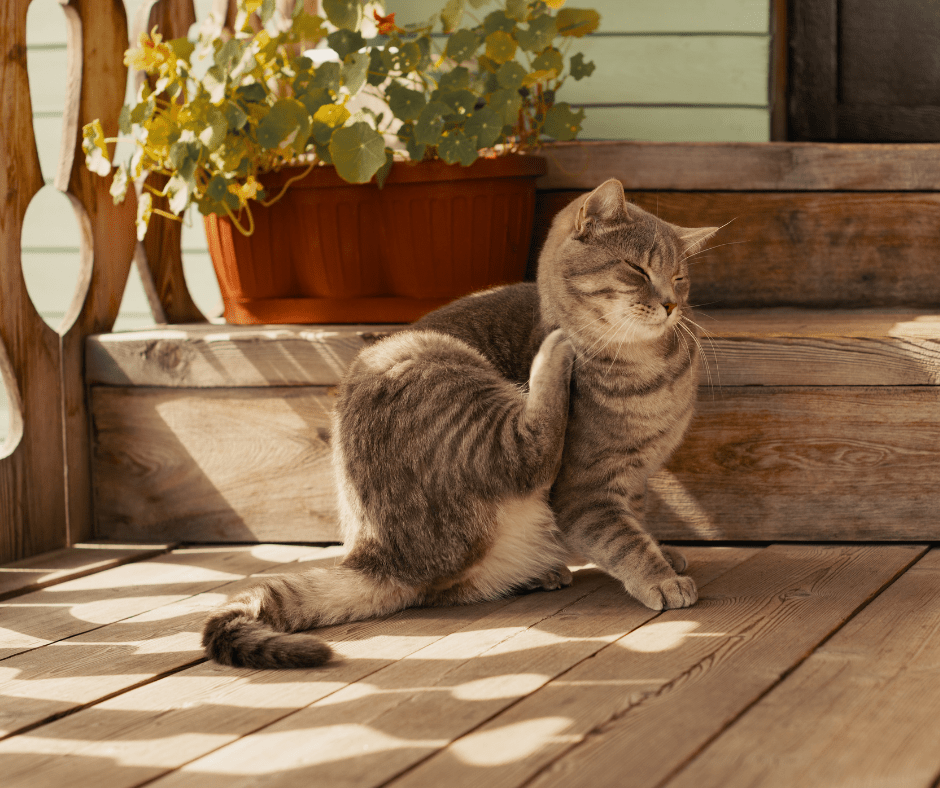
Flea treatments are designed to eliminate infestations and provide relief, but many pet owners find their dog or cat still itching even after treatment. This persistent scratching can be frustrating and concerning. Several factors could be at play, from allergic reactions to ineffective treatments. In this article, we explore the evidence-based reasons why your pet might still be itching and what you can do about it.

Common Reasons for Persistent Itching After Flea Treatment

1. Flea Allergy Dermatitis (FAD)

Even after fleas are gone, your pet may continue to itch due to an allergic reaction to flea saliva. This condition, known as flea allergy dermatitis (FAD), occurs when even a single flea bite triggers intense itching and skin inflammation (Halliwell, 2006).

2. Residual Flea Infestation in the Environment

Flea treatments primarily target adult fleas, but flea eggs, larvae, and pupae in your home can continue to hatch over time. Without thorough environmental control, new fleas can reinfest your pet. Studies suggest that treating both pets and the home is essential to breaking the flea life cycle (Rust, 2005).

3. Ineffective Flea Treatment or Resistance

Not all flea treatments work equally well, and some pets may have been treated with a product that is outdated, improperly applied, or ineffective against resistant flea populations (Beugnet & Franc, 2012). Fleas have shown increasing resistance to some commonly used treatments, making it crucial to use vet-recommended and up-to-date products.

4. Secondary Skin Infections

Scratching due to flea bites can lead to bacterial or yeast infections, which can prolong itching even after the fleas are gone. A veterinary consultation and appropriate treatment may be required to resolve these infections (Carlotti & Jacobs, 2000).

5. Allergic Reactions to Flea Treatment

Some pets may experience contact dermatitis or sensitivity to certain chemicals in flea treatments, leading to itching and skin irritation (Dryden & Rust, 1994). Signs include redness, hair loss, and excessive licking in the areas where the treatment was applied.

6. Other Underlying Skin Conditions

Fleas may not be the only culprit. Conditions like atopic dermatitis, food allergies, or hormonal imbalances can also cause persistent itching (Halliwell, 2006). If your pet’s itching doesn’t resolve, further veterinary evaluation is needed.

7. Environmental Infestation & Reinfection

Even if the fleas on your pet have been treated, flea eggs, larvae, and pupae in the environment (carpets, bedding, and furniture) can hatch and reinfest your pet. This cycle can lead to persistent itching (Viovet.co.uk). Deep cleaning and environmental flea treatments are critical to breaking the cycle.

Step-by-Step Guide to Stop Itching and Flea Infestation

For a detailed stepwise process to eliminate fleas permanently, refer to our article: My Dog or Cat Still Has Fleas After Treatment.

Additional Treatment Options

For a complete list of different flea treatment options, check out our A-Z Guide on Flea Treatments. If prescription treatments are necessary, visit Strongest Flea Treatments.

Supporting Skin Health Post-Flea Treatment

While veterinary treatments are crucial, supporting the skin barrier can help reduce post-flea irritation. FurBabies™ Botanicals skin care serums are a logical step to consider.

Recommended Serums:

  • DERMARENEW™ Lavender Skin & Coat Repair Serum – Soothes irritation, promotes healing, and supports skin barrier repair.
  • DERMAPROTECT™ Rose Skin Repair Serum – Balances sensitive skin and aids in recovery from flea-related allergies.

Join Our Members Club for Exclusive Offers

Stay updated with the latest pet care advice and access exclusive discounts by joining our Members Club for Free.


References

  • Beugnet, F., & Franc, M. (2012). Insecticide and acaricide molecules and/or combinations to prevent pet infestation by ectoparasites. Trends in Parasitology, 28(7), 267-279.
  • Carlotti, D. N., & Jacobs, D. E. (2000). Therapy, control and prevention of flea allergy dermatitis in dogs and cats. Veterinary Dermatology, 11(2), 83-98.
  • Dryden, M. W., & Rust, M. K. (1994). The cat flea: biology, ecology and control. Veterinary Parasitology, 52(1-2), 1-19.
  • Halliwell, R. (2006). Revised nomenclature for veterinary allergy. Veterinary Immunology and Immunopathology, 114(3-4), 207-208.
  • Rust, M. K. (2005). Advances in the control of Ctenocephalides felis (cat flea) on cats and dogs. Trends in Parasitology, 21(5), 232-236.
  • Viovet.co.uk. (n.d.). Environmental flea infestations and prevention. Retrieved from Viovet.co.uk
Related Studies

View all

Why is my Dog Itching? - FurBabies™ Botanicals | Pet Skin Barrier Repair

Why Is My Dog Itching? Causes, Treatments and When to See a Vet

Why Is My Dog Itching? Causes, Treatments and When to See a Vet Dogs itch for many reasons including parasites, environmental allergies, food sensitivities, skin barrier damage and secondary infections. Identifying the underlying cause is the only way to stop...

Read more

Piriton vs Apoquel vs Cytopoint for Dogs: Which Is Right for Yours? UK Guide

Piriton vs Apoquel vs Cytopoint for Dogs: Which Is Right for Yours? UK Guide

  Important: Piriton, Apoquel and Cytopoint are not interchangeable Piriton is most useful for short-term acute allergic reactions such as insect stings, hives, facial swelling, and mild vaccine reactions. Apoquel and Cytopoint are primarily used to control chronic itching caused...

Read more

Is Xylitol Toxic to Dogs? What It Is, Where It's Found, and How to Check the Risk

Is Xylitol Toxic to Dogs? What It Is, Where It's Found, and How to Check the Risk

  Most UK dog owners know that chocolate is dangerous. Far fewer realise that a single piece of chewing gum — the kind that lives in handbags, coat pockets, car gloveboxes, and desk drawers can kill a dog within hours....

Read more

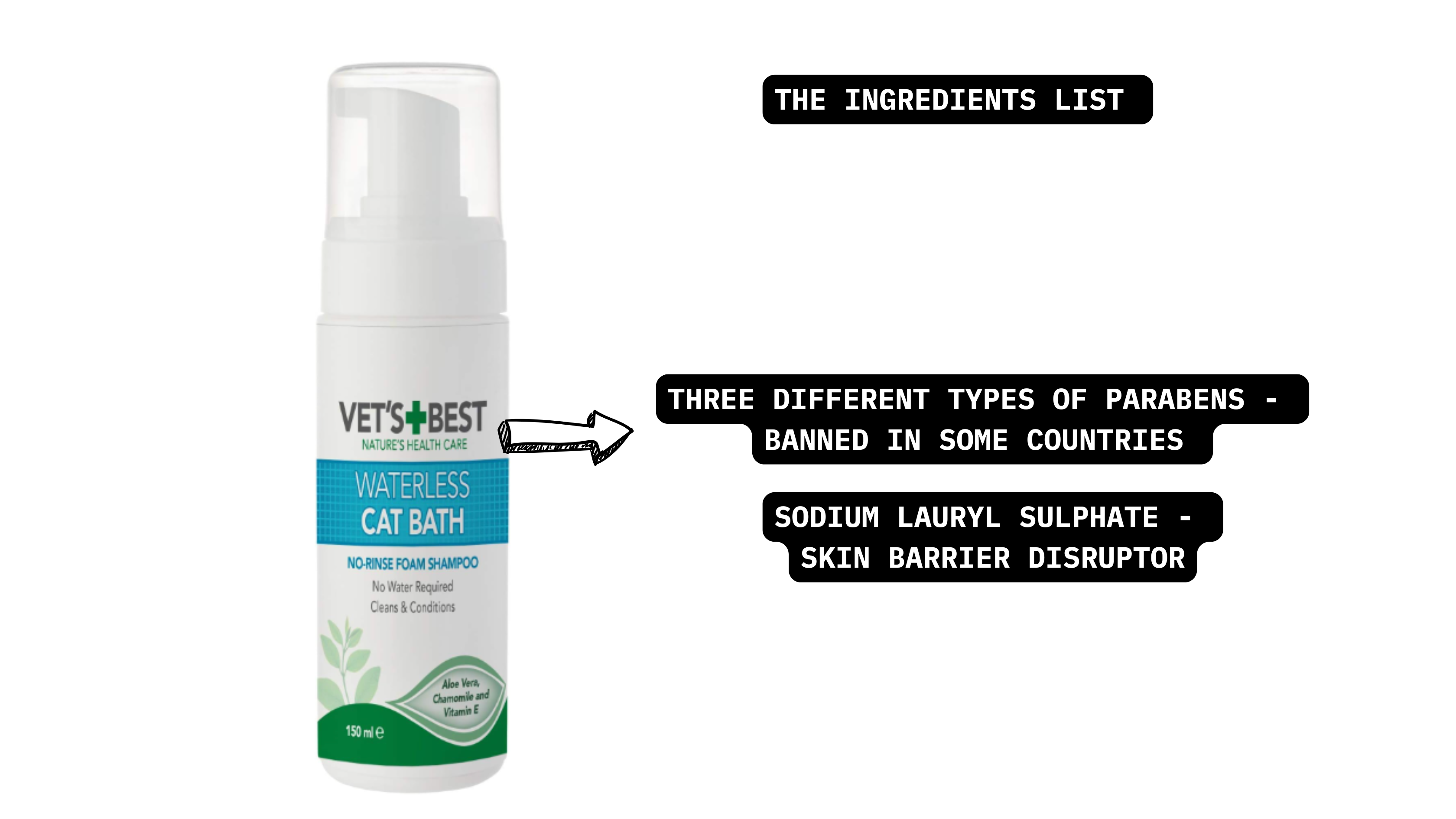
Paraben The Hidden Ingredient in Most Pet Shampoos That Could Be Harming Your Dog

Paraben The Hidden Ingredient in Most Pet Shampoos That Could Be Harming Your Dog

  Turn over almost any pet shampoo bottle and scan the ingredients list. Somewhere near the bottom you're likely to find one or more of these: methylparaben, ethylparaben, propylparaben, butylparaben. These are parabens, a family of synthetic preservatives used widely across...

Read more

SLS free dog shampoo

Why avoid Shampoos with SLS (Sodium Lauryl Sulphate) & SLES (Sodium Laureth Sulphate)

  Walk down the pet care aisle in any UK supermarket and you'll find shelves of brightly packaged shampoos, many of them foaming generously in their promotional photos. That satisfying lather is largely down to one ingredient: SLS (Sodium Lauryl...

Read more

puppy shampoos not all are made equal

Baby Shampoo for Dogs

  It's one of the most common questions UK dog owners ask: "Can I just use baby shampoo on my dog? It's gentle, isn't it?" It's an understandable instinct baby shampoos are marketed as mild, tear-free, and kind to sensitive...

Read more

selecting the best dog shampoo

Does the choice of shampoo matter?

A good quality pet shampoo should rinse off quickly and completely leaving your pet's coat clean, soft, and free from residue. However with hundreds of products on the market, how do you know which one is actually right for your...

Read more

The Environmental Audit: Is Your Home Making Your Dog Itchy? - FurBabies™ Botanicals

The Environmental Audit: Is Your Home Making Your Dog Itchy?

In our previous deep dives, we explored the "Outside-In" theory and how a "Leaky Skin Barrier" allows irritants to penetrate the skin. But for the owner of a dog with Contact Dermatitis, the biggest question remains: What exactly is getting...

Read more

Dog Contact Dermatitis vs. Seborrheic Dermatitis: Identifying and Treating Skin Issues in Dogs - FurBabies™ Botanicals

Dog Contact Dermatitis vs. Seborrheic Dermatitis: Identifying and Treating Skin Issues in Dogs

Quick Summary (TL;DR) Distinguishing between Contact Dermatitis and Seborrheic Dermatitis is vital for correct treatment. Contact dermatitis is a localised reaction to environmental irritants (like grass or chemicals), while Seborrheic dermatitis involves oily or dry flaking often linked to yeast...

Read more

The Complete Guide to Dog Coats: What Every Pet Parent Needs to Know in 2025 - FurBabies™ Botanicals

The Complete Guide to Dog Coats: What Every Pet Parent Needs to Know in 2025

Quick Answer: Dog coats are essential protective gear for short-haired breeds (Greyhounds, Whippets, Dobermans), small dogs, seniors, and long-haired breeds prone to matting (Poodles, Goldendoodles). The best coats feature high waterproof ratings (10,000-20,000mm), silk or satin linings to prevent matting,...

Read more

Chronic Pain, Muscle Loss, and Early Mortality in Senior Dogs: The Hidden Threat of Sarcopenia - FurBabies™ Botanicals

Chronic Pain, Muscle Loss, and Early Mortality in Senior Dogs: The Hidden Threat of Sarcopenia

  Even with arthritis meds for dogs, joint chews, or other good joint supplements for dogs, chronic pain can silently destroy muscles in senior dogs. This process, called sarcopenia (age- and pain-related loss of muscle mass and strength), happens because pain...

Read more

How can I check if my dog’s flea or tick treatment is genuine in the UK? (VMD verification + real owner story) - FurBabies™ Botanicals

How can I check if my dog’s flea or tick treatment is genuine in the UK? (VMD verification + real owner story)

Check the pack’s VM number against the VMD Product Information Database on GOV.UK. If the VM, manufacturer and leaflet match the database entry, the product is authorised; if not, don’t use it. Immediate story hook  “I hadn’t left my flat...

Read more