
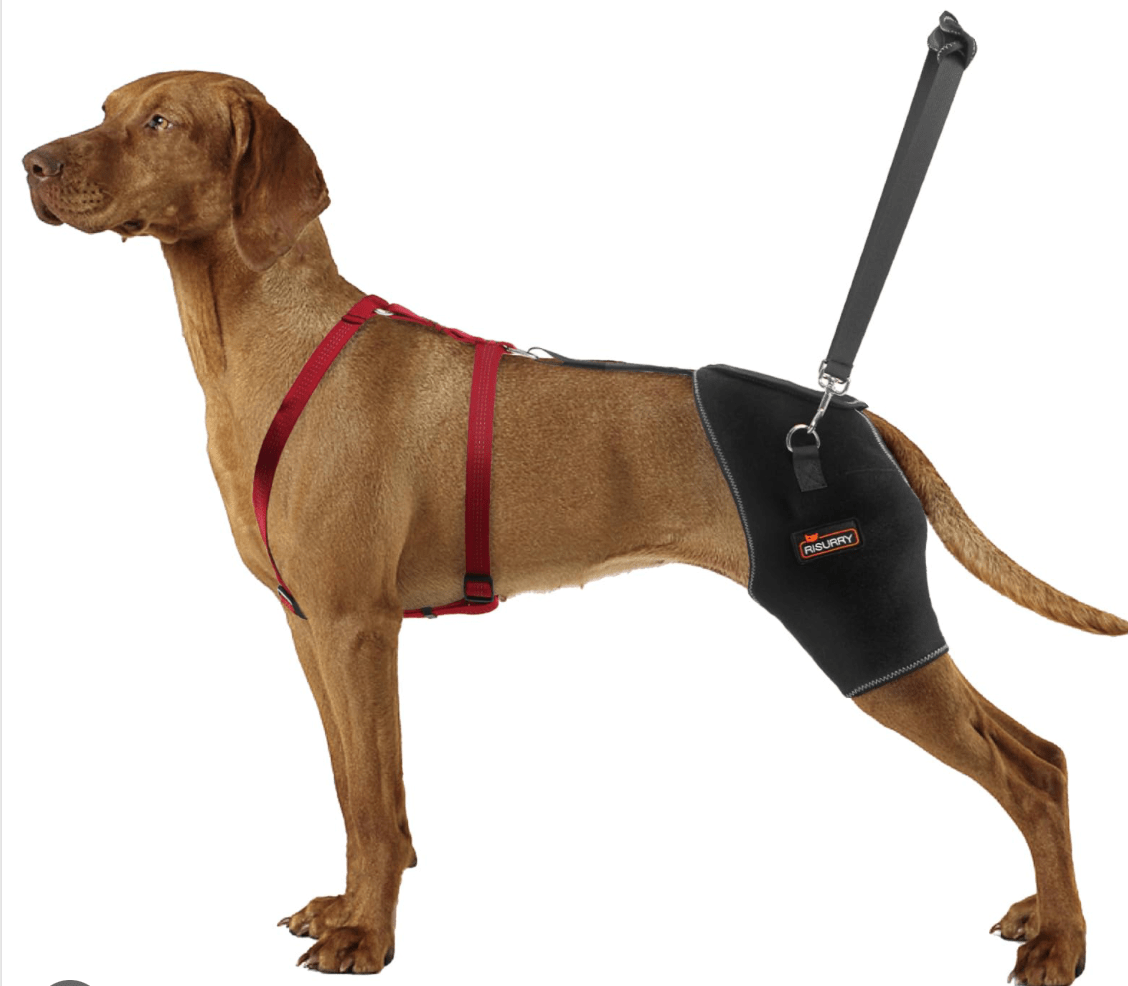
Dogs' Joints Clicking: Causes, Risks & When to See a Vet
Hearing your dog’s joints click or pop while stretching can be unsettling, but in many cases, it’s harmless. The occasional clicking is often due to natural joint movement or mild conditions. However, if the clicking becomes frequent, loud, or is accompanied by pain, it may be a sign of an underlying joint issue. Understanding the causes and risks will help you determine when to seek veterinary care.
Why Do Joints Click When Stretching?
When your dog stretches, the joints are often moved beyond their normal range of motion, which can cause:
-
Gas bubbles to form and release in the synovial fluid, creating a clicking sound, similar to humans cracking their knuckles.
-
Tendons or ligaments shifting slightly over bones as the body stretches, which can also lead to an audible click or pop.
-
In most cases, this type of clicking during stretching is harmless and does not cause pain.
However, if your dog seems to experience discomfort or the clicking happens frequently during stretching or other movements, it could indicate underlying issues such as arthritis or joint instability. Understanding the different causes of clicking when stretching can help differentiate between normal joint function and potential concerns.
Common Causes of Joint Clicking in Dogs
1. Normal Joint Movement
Similar to humans cracking their knuckles, joints can naturally produce clicking sounds during stretching or movement. This occurs due to:
-
Gas bubbles in the synovial fluid within the joint.
-
Ligaments or tendons shifting slightly over bones as the joint moves.
This type of clicking is usually harmless and does not cause pain or discomfort.
2. Arthritis (Osteoarthritis)
As dogs age, the cartilage in their joints naturally wears down, leading to arthritis. This condition causes joint friction and can result in clicking sounds during stretching, especially in the morning or after long periods of rest. While clicking itself may not always indicate arthritis, it can be accompanied by:
-
Stiffness, especially after rest.
-
Difficulty getting up, limping, or joint swelling.
Large breeds like Labrador Retrievers, Golden Retrievers, and German Shepherds are more prone to arthritis.
3. Hip & Elbow Dysplasia
These genetic conditions occur when the joints don’t develop correctly, causing misalignment and instability, which can lead to clicking sounds during stretching. Signs to watch for include:
-
Bunny-hopping gait (especially in hip dysplasia).
-
Reluctance to jump or climb stairs.
-
Swelling and discomfort in the joint area.
Breeds at risk include German Shepherds, Rottweilers, and Golden Retrievers.
4. Injuries or Trauma
Previous injuries or trauma, like a torn Cranial Cruciate Ligament (CCL) or meniscus damage, can lead to joint clicking during stretching or when your dog moves. This is often due to scar tissue formation in the joint. Dogs who are overly active or overweight are more susceptible.
Signs of injury include:
-
Sudden limping or swelling.
-
Avoidance of weight-bearing on the affected leg.
5. Patellar Luxation
Patellar luxation occurs when the kneecap (patella) slips out of its normal position, which can cause instability and clicking sounds during stretching, especially when the dog extends its leg. This is common in small breeds like Chihuahuas, Pomeranians, and French Bulldogs.
Signs of patellar luxation include:
-
Intermittent skipping or hopping.
-
Difficulty bending the knee.
-
Clicking noises when extending the leg.
6. Osteochondrosis Dissecans (OCD)
This developmental disorder primarily affects large-breed puppies and occurs when cartilage separates from the bone, leading to joint instability and clicking during stretching. Affected breeds include Labrador Retrievers, Great Danes, and Bernese Mountain Dogs.
Signs include:
-
Grinding noises.
-
Pain during movement.
-
Swelling in the joints.
Risk Factors for Joint Clicking in Dogs
Certain factors can increase the likelihood of joint issues:
-
Age: Senior dogs are more prone to arthritis and joint degeneration.
-
Breed: Large and giant breeds are at higher risk for dysplasia and arthritis.
-
Obesity: Overweight dogs place additional stress on their joints, accelerating wear and tear.
-
Activity level: High-impact activities or repetitive movements contribute to ligament injuries and joint damage.
When to See a Vet
Occasional clicking during stretching is usually harmless. However, you should consult your vet if:
-
Frequent or loud clicking occurs during stretching or other movements.
-
Your dog shows signs of pain (e.g., limping, stiffness, reluctance to move).
-
You notice swelling or heat around the joints.
-
There is muscle loss around the affected joints.
-
Your dog’s activity levels decrease or changes, such as hesitation to jump or slower movements.
How Vets Diagnose and Treat Joint Issues
If your dog’s joint clicking is persistent or painful, your vet will likely:
-
Conduct a physical exam to assess joint mobility and signs of pain or swelling.
-
Use imaging tests like X-rays, CT scans, or MRIs to identify joint abnormalities, such as arthritis or dysplasia.
-
Joint fluid analysis may be performed to check for infections or inflammation.
Treatment Options
-
Pain management: Anti-inflammatory medications, physical therapy, and laser therapy.
-
Joint supplements: Glucosamine, chondroitin, and omega-3 fatty acids may help support joint health.
-
Weight management: Maintaining a healthy weight reduces strain on the joints.
-
Surgery: In severe cases, surgical intervention may be required, such as hip replacements or knee corrections.
Preventing Joint Issues in Dogs
-
Maintain a healthy weight: This reduces strain on your dog's joints.
-
Provide appropriate exercise: Avoid high-impact activities, especially in growing puppies.
-
Feed a balanced diet: Ensure your dog receives essential nutrients to support joint health.
-
Use ramp access: This helps prevent excessive jumping, especially in predisposed breeds.
-
Regular vet check-ups: Early detection of joint problems can improve long-term outcomes.
Final Thoughts
While occasional joint clicking in dogs can be normal, persistent or painful clicking may signal an underlying issue. Recognising the signs early and seeking veterinary advice can improve your dog’s quality of life. If you notice any concerning symptoms, schedule a vet appointment to determine the best course of action. Read our blog on dogs whining in pain for more information.
References
-
Johnson, K. A. (2021). "Canine Osteoarthritis: Pathophysiology and Management." Journal of Veterinary Medicine.
-
Smith, G. K., et al. (2020). "Hip Dysplasia in Dogs: A Genetic and Environmental Perspective." Veterinary Journal.
-
Davies, R. (2019). "Patellar Luxation in Small Breed Dogs: Diagnosis and Treatment Options." Companion Animal Practice.








Share:
Top 10 Pet Insurance Companies for Dogs and Cats in 2025
Is Dog Jumping On and Off the Bed Bad for Their Joints? The Risks, Evidence, and Alternatives