
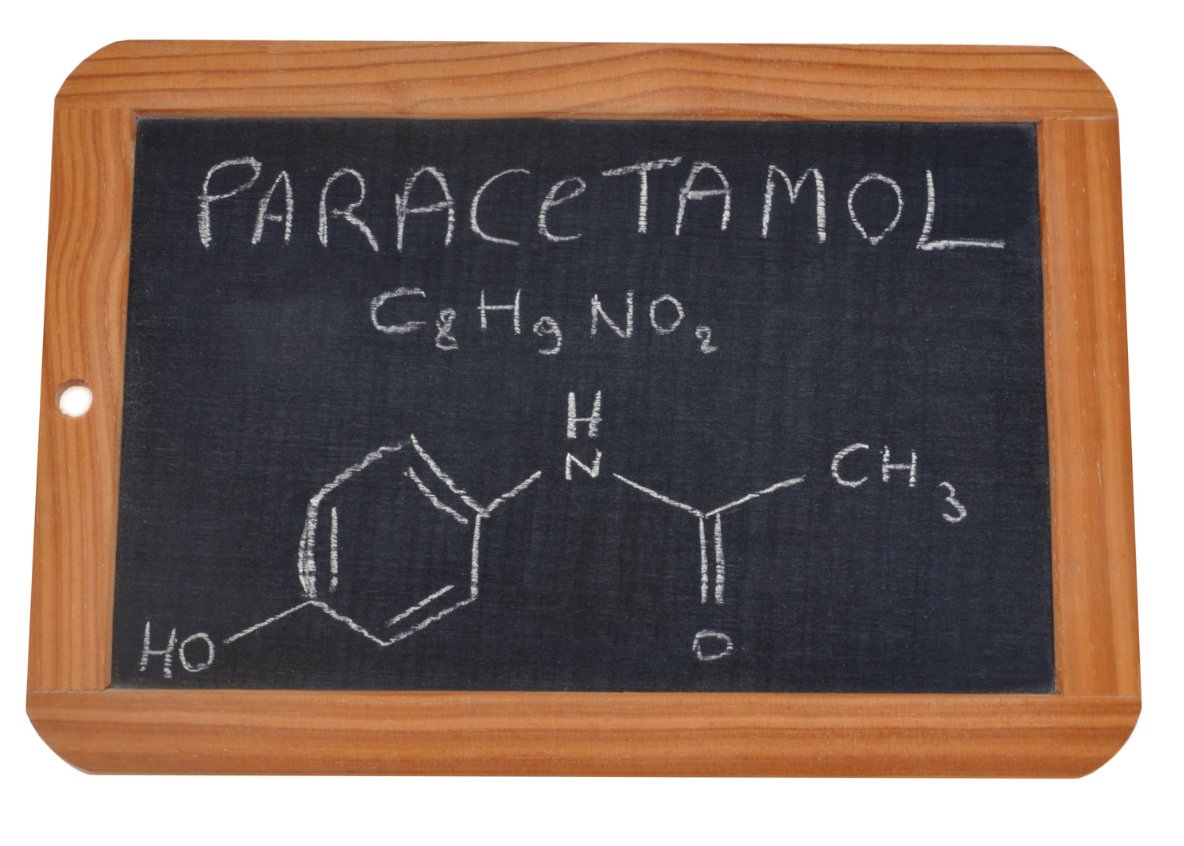
Paracetamol for Dogs: Risks, Prescriptions, and Veterinary Guidance
Paracetamol is a widely available painkiller used in humans to alleviate pain and fever. It is also an ingredient in certain veterinary medications, such as Pardale-V. However, pet owners often wonder whether they can give human paracetamol to their dogs, especially since human medications are often more affordable. Understanding the risks, appropriate usage, and vet advice is crucial before considering paracetamol for dogs.
Is Paracetamol Safe for Dogs?
Paracetamol-containing human medications pose significant risks when given to dogs. These risks include:
- Toxic ingredients: Many human medicines contain additional substances such as codeine, phenylephrine, or xylitol, which can be highly toxic to dogs.
- Incorrect dosing: The dosage in human painkillers may be too high for dogs, leading to toxic effects.
- Metabolic differences: Dogs metabolise medications differently from humans, increasing the risk of severe side effects or toxicity.
🚨 Warning: Paracetamol is highly toxic to cats and should never be administered to them or left in areas accessible to them. 🚨
Pardale-V Dosage Guidelines and Differences from Human Paracetamol
Pardale-V is a veterinary-approved medication containing paracetamol and codeine. Unlike human paracetamol, it has been formulated specifically for dogs and is only available by vet prescription. The typical dosage guidelines are:
- The usual dose for dogs required to take Pardale-V is one tablet per 12 kg body weight, administered every 8 hours.
- It should not be given for longer than five days without further vet advice.
- Overdose risks: Excessive dosing can lead to severe toxic effects, including liver damage and red blood cell dysfunction.
The key difference between Pardale-V and human paracetamol is its combination with codeine, a controlled substance in human medicine. Additionally, human medications often contain inactive ingredients that may be highly toxic to dogs.
When Should Paracetamol Not Be Given?
Paracetamol for dogs should be avoided in the following situations:
- Dogs with liver or kidney dysfunction, as paracetamol is metabolised by the liver and excreted by the kidneys.
- If the dog is in pain due to an underlying condition that requires alternative pain management strategies.
- Pregnant or lactating dogs, unless specifically prescribed by a vet practice.
- Dogs on other medications, including NSAIDs or steroids, as interactions can occur.
Drug Interactions with Paracetamol in Dogs
Paracetamol may interact with various human medicines and veterinary drugs, including:
- Non-steroidal anti-inflammatory drugs (NSAIDs): Combining paracetamol with NSAIDs like carprofen or meloxicam can increase the risk of liver damage.
- Corticosteroids: The combination of paracetamol with steroids can cause gastrointestinal ulcers.
- Certain antibiotics: Some antibiotics, such as chloramphenicol, may alter the metabolism of paracetamol, affecting its safety and effectiveness.
- Drugs affecting liver enzymes: Medications that induce or inhibit liver enzymes, such as rifampicin, can impact how paracetamol is processed, potentially leading to toxicity.
Side Effects of Paracetamol in Dogs
If a dog has accidentally ingested paracetamol, or if it has been prescribed by a vet, pet owners should monitor for side effects, including:
- Vomiting
- Diarrhoea
- Lethargy
- Constipation
- Loss of appetite
- Jaundice (yellowing of the skin or eyes)
- Increased thirst and urination
Paracetamol can cause liver damage and impair red blood cells, reducing their ability to carry oxygen. Overdoses can be life-threatening, with symptoms such as dark-coloured urine, weakness, collapse, and uncontrolled bleeding. If any of these occur, contact your vet immediately.
The Dangers of Human Painkillers for Dogs
Many human painkillers, including paracetamol, pose toxic effects in dogs. While vet practices can prescribe paracetamol under specific circumstances, self-administering human medications to pets is dangerous. Seeking advice from a vet before giving any medication to a dog is essential to avoid accidental ingestion of harmful substances.
Paracetamol Licensing in the USA
In the United States, paracetamol (known as acetaminophen) is not licensed by the FDA for veterinary use. The FDA requires that animal drugs undergo a rigorous approval process to ensure their safety and efficacy for specific species and conditions. The absence of an approved veterinary formulation of paracetamol in the U.S. may be due to concerns about its narrow safety margin in animals and the availability of alternative pain management options.
Conclusion
Paracetamol can provide pain relief in dogs but must only be administered under vet advice. Vet practices follow strict guidelines when prescribing pain management options for pets, ensuring safety and effectiveness. If your dog is in pain, consult a veterinarian to determine the best treatment.
References
- Veterinary Medicines Directorate. (2023). Guidance on the Prescribing Cascade in Veterinary Practice. https://www.gov.uk
- MSD Veterinary Manual. (2023). Paracetamol Toxicity in Animals. https://www.msdvetmanual.com
- FDA. (2023). FDA Regulation of Animal Drugs. https://www.fda.gov/animal-veterinary/resources-you/fda-regulation-animal-drugs










Share:
Tear stains in dogs all you need to know
All about Rabbit Shampoo or Bunny Shampoo