Quick Summary (TL;DR)
Distinguishing between Contact Dermatitis and Seborrheic Dermatitis is vital for correct treatment. Contact dermatitis is a localised reaction to environmental irritants (like grass or chemicals), while Seborrheic dermatitis involves oily or dry flaking often linked to yeast or hormonal issues. Effective management requires identifying the trigger, using therapeutic shampoos, and applying skin barrier balms to soothe inflammation and restore balance.
When your dog's skin is red, itchy, or flaky, it can be distressing for both you and your furry friend. Understanding the distinctions between common types of dermatitis in dogs, such as dog contact dermatitis and seborrheic dermatitis dog, is crucial for effective treatment. This guide will help you identify the signs and understand the best approaches to managing these conditions, often with the support of specialised skincare products like those from FurBabies™ Botanicals.
Contact Dermatitis: When Something Touches Their Skin
Contact dermatitis in dogs is an inflammatory skin reaction that occurs when their skin comes into direct contact with an irritating or allergenic substance. It's similar to how humans might react to poison ivy or certain chemicals. The reaction is typically localised to the area of contact, though severe cases can spread.
Common Triggers for Contact Dermatitis:
•Environmental Irritants: Certain plants (e.g., grasses, weeds), harsh cleaning products, pesticides, fertilizers, and even some types of flooring materials.
•Allergens: Ingredients in shampoos, topical medications, flea collars, or even fabrics in bedding.
•Moisture: Prolonged exposure to moisture, such as from urine or saliva, can also lead to irritation, especially in skin folds.
Signs of Contact Dermatitis:
•Redness and inflammation: Often seen in areas with less fur, like the abdomen, paws, muzzle, and inner thighs.
•Itching and licking: Dogs will excessively lick, chew, or scratch the affected areas.
•Rash or bumps: Small red bumps or a generalized rash may appear.
•Hair loss: Due to constant scratching and licking.
•Skin thickening: In chronic cases, the skin can become thickened and discoloured.
Seborrheic Dermatitis: The Case of Oily or Dry Flakes
Seborrheic dermatitis is a chronic skin condition characterized by abnormalities in the production of sebum (skin oils) and keratinization (skin cell turnover). This leads to either excessively oily and greasy skin (seborrhoea oleosa) or dry, flaky skin (seborrhoea sicca), often accompanied by a distinctive odour.
Causes of Seborrheic Dermatitis:
Seborrhea can be primary (genetic) or secondary to other underlying conditions. Primary seborrhea is less common and often seen in breeds like Cocker Spaniels, Basset Hounds, and West Highland White Terriers. Secondary seborrhea is more prevalent and can be triggered by:
•Allergies: Environmental, food, or flea allergies.
•Hormonal imbalances: Hypothyroidism or Cushing's disease.
•Parasites: Mites or fleas.
•Infections: Bacterial or yeast infections (Malassezia).
•Nutritional deficiencies: Lack of essential fatty acids.
Signs of Seborrheic Dermatitis:

Treatment and Management Strategies
Effective management of both contact and seborrheic dermatitis involves identifying and addressing the underlying cause, alongside symptomatic relief and skin barrier support.
For Contact Dermatitis:
1.Identify and Remove the Irritant: This is the most critical step. Observe your dog's environment and recent exposures to pinpoint the trigger. Eliminate or minimize contact with the offending substance.
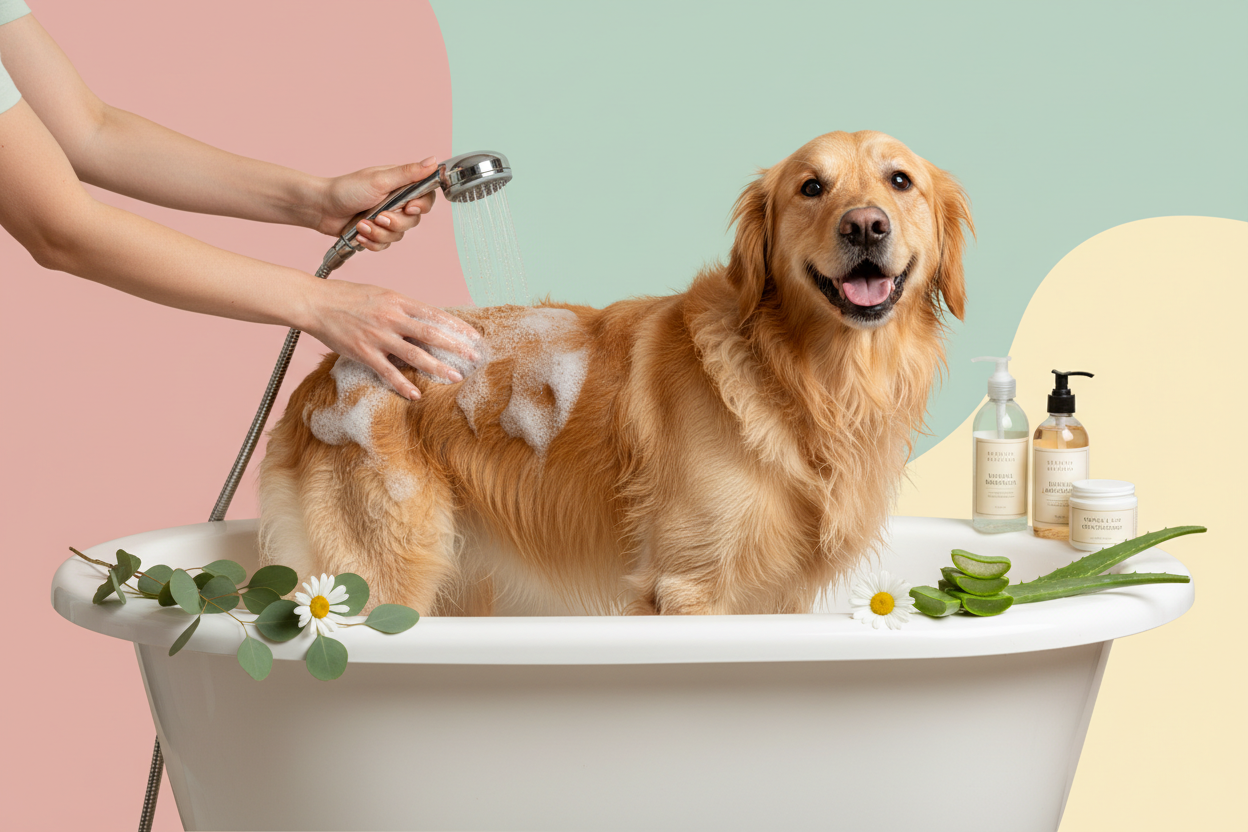
2.Topical Treatments: Gentle bathing with hypoallergenic shampoos can help remove irritants and soothe the skin. FurBabies™ Botanicals offers specialized shampoos designed to be gentle and effective for sensitive skin .
3.Barrier Support: Products that help repair and strengthen the skin barrier can reduce sensitivity and promote healing. The FurBabies™ Multipurpose Balm can be beneficial for localized irritation and hotspots.
For Seborrheic Dermatitis:
1.Address Underlying Causes: A veterinary diagnosis is essential to identify and treat any primary conditions (allergies, hormonal issues, infections) contributing to the seborrhea.
2.Therapeutic Shampoos: Regular bathing with medicated shampoos containing ingredients like salicylic acid, benzoyl peroxide, or sulfur can help control oiliness, remove scales, and manage microbial overgrowth. For dry seborrhea, moisturizing shampoos are recommended. FurBabies™ Botanicals products aim to restore microbiome balance and soothe irritation [myfurbabies.co.uk homepage content].
3.Dietary Support: Supplementation with omega-3 fatty acids can help improve skin health and reduce inflammation .
4.Topical Balms and Serums: For localized issues like yeast in skin folds or paw licking, the FurBabies™ Multipurpose Balm can provide relief and support skin healing.
Conclusion
Distinguishing between contact and seborrheic dermatitis is the first step toward providing your dog with appropriate care. While veterinary consultation is always recommended for an accurate diagnosis and treatment plan, understanding these conditions empowers you to be a proactive pet parent. By combining targeted treatments with a focus on skin barrier health, you can help your dog find relief from discomfort and enjoy healthier, happier skin.
References
AKC. (2026, March 25). Dermatitis in Dogs: Signs, Symptoms, Treatments.
Animal Cove Pet Hospital. Diagnosing Dermatitis in Dogs and Cats. https://animalcove.com/diagnosing-dermatitis-in-dogs-and-cats/
Cornell University College of Veterinary Medicine. (2025, October 21 ). Atopic dermatitis (atopy).
Lavengel. 11 Common Types of Canine Dermatitis and Rashes with Pictures.
NCBI. (2024, February 13 ). Canine Atopic Dermatitis: Prevalence, Impact, and Management.
BluePearl Pet Hospital. (2017, July 10 ). Atopic Dermatitis in Pets.
Dogs Naturally Magazine. (2019, March 20 ). Atopic Dermatitis in Dogs: A Holistic Healing Approach.
Dr. Garber's. (2024, March 14 ). Heal Your Dog's Atopic Dermatitis Holistically.
PetMD. (2025, May 27 ). 8 Vet-Approved Home Remedies for Your Dog.
Youtube. (2026, April 14 ). Itchy Dog or Cat? Fix the Skin Barrier First. https://www.youtube.com/watch?v=vif23WmCmII
Organic Dog Shop. (2025, February 21 ). How to Strengthen Your Dog's Skin Barrier Naturally.
Precedence Research. Canine Atopic Dermatitis Market Size to Hit USD 6.81 Billion by 2035.
LinkedIn. (2026, April 7 ). Understanding the Canine Atopic Dermatitis Treatment Market. https://www.linkedin.com/pulse/analyzing-competitive-landscape-canine-atopic-dermatitis-treatment-dshoc
Dermavet. (2026, March 26 ). Hypoallergenic Diets in Dogs and Cats: 2026 Update.







Share:
The Complete Guide to Dog Coats: What Every Pet Parent Needs to Know in 2025
The Environmental Audit: Is Your Home Making Your Dog Itchy?